

Best time to visit Zanzibar? It depends on whether you care more about perfect beach weather, world‑class diving, or combining your trip with Tanzania’s Great Migration.
Best Time to Visit Zanzibar: Why Timing Matters for Your Dream Trip
The best time to visit Zanzibar for most Swiss travelers is June to October, when the long dry season brings stable weather and ideal safari conditions. Zanzibar calls to the traveler’s heart like few places on Earth. Picture yourself drifting across turquoise lagoons, wandering through the labyrinthine streets of Stone Town, and then—as the final chapter—returning to a pristine beach as the Indian Ocean sunset turns the sky into shades of amber and rose.
But here’s the truth most first-time visitors discover too late: when you go to Zanzibar changes everything.
Visit in the wrong season, and you might find your beach days interrupted by heavy rains, your snorkeling gear sitting unused due to strong winds and rough seas, or your wildlife safari postponed because the animals have migrated elsewhere. For some travelers the best time to visit Zanzibar is the cool, dry period from June to October, while for others the hotter but festive months from December to February are more appealing. Visit at the right time, and Zanzibar transforms into something almost magical—perfect weather, calm waters, and the wildlife spectacles that make your holiday truly unforgettable.
For Swiss travelers like you—professionals who value quality, expertise, and trustworthy planning—timing isn’t just about comfort; it’s about maximizing every moment of your precious vacation days and ensuring your investment delivers the experience you’ve imagined for years.
This guide draws on meteorological data, wildlife patterns, and insider knowledge from companies like Zamani Voyage, which have guided Swiss travelers through Zanzibar’s seasonal rhythms for over a decade. By the end, you’ll know exactly which month aligns with your travel vision—whether that’s catching the Great Migration’s river crossings, enjoying perfect beach weather, or finding a quieter, more authentic island experience. By the end of this guide you’ll know the best time to visit Zanzibar for your travel style, budget, and safari plans
Understanding Zanzibar’s Seasons & Climate
Zanzibar’s Tropical Climate Overview
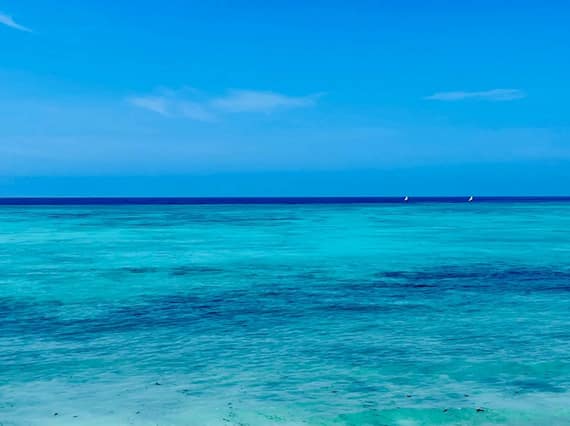
Zanzibar sits just south of the equator in the Indian Ocean, roughly 40 kilometers off the coast of Tanzania. This location means one thing: the island enjoys a warm, tropical climate year-round.
According to meteorological data compiled by Zanzibar.com, daytime temperatures are remarkably consistent throughout the year, rarely exceeding the mid-30s Celsius (approximately 90°F) during the hot season, with nighttime temperatures never dipping below a mild 21°C (70°F). The sea remains warm enough for swimming year-round, ranging from 25°C in August to 29°C from December to April.
This consistency is one reason Zanzibar attracts visitors throughout the year. Unlike northern Tanzania (where your safari will take place), Zanzibar’s beaches don’t face dramatic seasonal temperature swings. What does change dramatically—and what defines your experience—are rainfall patterns, humidity levels, winds, and ocean conditions.
Two Dry Seasons vs. Two Rainy Seasons
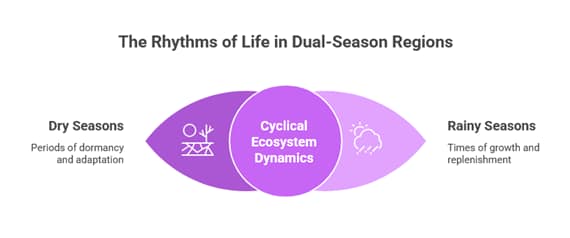
Zanzibar’s climate operates on a predictable cycle: two distinct dry seasons separated by two rainy periods.
Peak Dry Season (June–October): “The Cool & Dry” Period
This is when the island’s “long rains” end and the beach lodges open up again. The southern hemisphere’s winter winds take over, bringing cooler temperatures and minimal rainfall. Humidity is generally low, and the skies stay brilliantly clear. This is why June through October is considered Zanzibar’s official high season and the time when most Swiss travelers plan their trips.
Secondary Dry Season (December–February): “The Warm & Dry” Period
Following the “short rains” in November and December, January and February bring hot and relatively dry conditions, just before the main rains start in March. These months are particularly popular with northern European travelers seeking warmth and sunshine during their winter months. If you love heat, long sunny days and a lively festive atmosphere, this short dry season can easily feel like the best time to visit Zanzibar.
Long Rainy Season (April–May): “Masika”
The main season, called the “long rains” or “Masika” in Swahili, is mainly during April and May. According to Expert Africa, April is the wettest month of the year, with most beach lodges closed during this period. This season brings heavy, sustained rainfall and high humidity—and fewer tourists.
Short Rainy Season (November–December): “Vuli”
The second rainy season, “the short rains” or “Vuli,” lasts only for a few minutes, usually in the mornings, and is mainly during November to December. These showers are typically brief and don’t prevent outdoor activities.
Key Climate Factors: Rainfall, Humidity, Winds, Tides & Seaweed
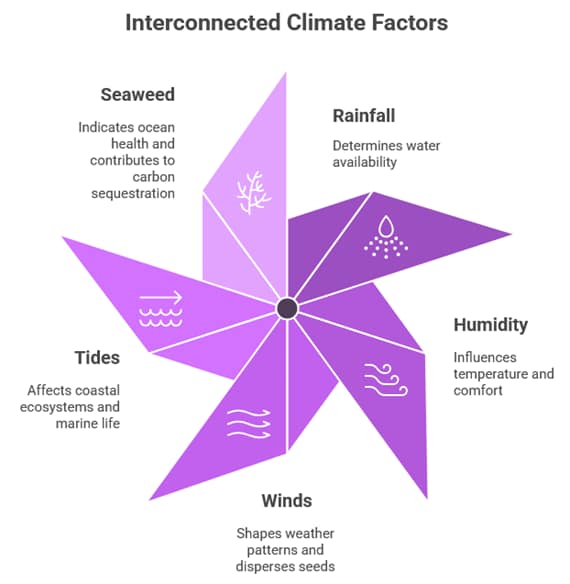
Understanding these factors is crucial for Swiss travelers who want to know what they’re really getting into:
Rainfall & Humidity
During the dry seasons, humidity is relatively manageable, while the rainy seasons bring both heavy rainfall and significantly higher humidity levels.
Winds & Water Conditions
Zanzibar experiences two distinct wind patterns. The northern ‘kaskazi’ wind blows during January and February, affecting the north and east coasts of the island, bringing some seaweed onto eastern beaches. Conversely, the southern ‘kusi’ wind is in full swing from May onward, especially along the eastern coasts where wind speeds can reach around 35 km/h (about 18 knots), making these months excellent for kitesurfing but occasionally choppy for other water activities.
Tides & Beach Access
Zanzibar’s beaches are dramatically affected by tidal cycles. Some beaches, particularly on the east coast, have very shallow lagoons that dry out almost completely at low tide, leaving swimmers stranded far from deeper water. Accommodation quality often depends on whether your resort has a swimming pool—a critical feature if you’re visiting during low-tide periods or months with strong winds.
Seaweed
This is a topic that deserves direct attention, as it surprises many first-time visitors. Certain months bring seasonal seaweed blooms, particularly to the east-facing beaches. We’ll address this in detail later in the guide.
Peak Dry Season: June–October (Cool & Dry) – The Prime Choice
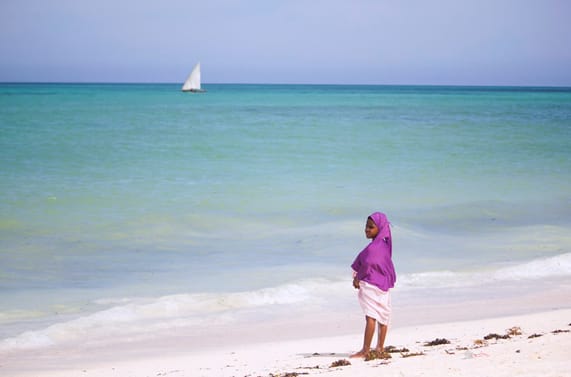
Why This Season Wins for Most Travelers
If you ask Swiss travel agencies which season they recommend most often, the answer is unanimous: June through October. Here’s why.
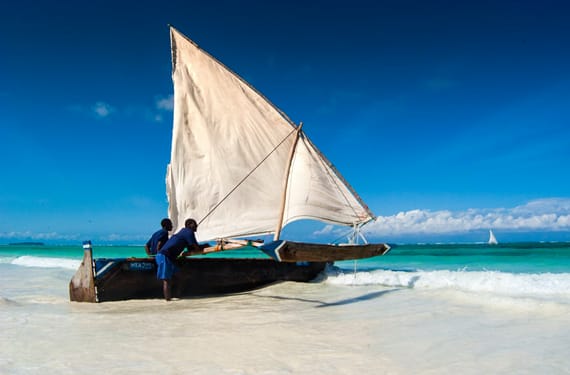
This period is Zanzibar’s best few months, with the dry season now in full swing. It coincides with Tanzania’s safari high season, which matters because many Swiss travelers, including those booking with Zamani Voyage, combine their Zanzibar beach days with a safari in Tanzania’s iconic northern parks—Serengeti, Ngorongoro, and Tarangire. For anyone planning a Tanzania safari plus beach holiday, this makes June through October the best time to visit Zanzibar because both wildlife viewing and coastal conditions are at their peak. The timing aligns perfectly: when you’ve finished your safari, Zanzibar’s weather is at its absolute best. For more information about the the weather in Zanzibar Tanzania, read our latest guide about Zanzibar Tanzania: Complete Weather & Travel Guide 2026.
This season also offers the most predictable conditions. Weather forecasts are reliable, activities rarely get canceled, and you won’t encounter the frustration of multiple rainy days in a row.
Weather Conditions & What to Expect
June: The Transition Month
June is characterized as when the ‘long rains’ end; the island dries up a bit and the beach lodges open up again. June marks the beginning of the dry season, often celebrated as the sunniest and driest month of the year, with daytime temperatures comfortably warm, averaging around 28°C (82°F), with nights cooling down to around 20°C (68°F).
July: Zanzibar’s Most Celebrated Month
During July, the dry season is now in full swing – Zanzibar’s best few months, with daytime temperatures averaging around 28°C (82°F), and nights cooler but rarely dipping below 18°C (64°F). Humidity is generally low, contributing to comfortable weather conditions. The seas are at their coldest during July and August, with temperatures around 25°C (77°F), which is still warm enough for swimming and even cold enough to be refreshing after days in the sun.
August: Peak Comfort
August marks the end of the cooler months, with daytime temperatures typically around 28°C (82°F), occasionally reaching over 30°C (86°F), and sea temperatures around 25°C (77°F).
September: Warming Up
September is one of the sunniest and driest months in Zanzibar, with average daytime temperatures gradually climbing over 30°C (86°F), and sea temperatures warming up to around 26°C (79°F).
October: The Perfect Blend
October is marked by light southerly breezes, clear skies and calm seas, with daytime highs regularly topping 30°C (86°F). October also offers excellent ocean visibility often exceeding 25 meters (82 feet).
Wildlife Viewing: Great Migration Timing & Park Comparisons
For Swiss travelers combining Zanzibar with a Tanzania safari, this season is unmissable—because this is when the Great Migration reaches its most dramatic moments.
The Great Migration Cycle
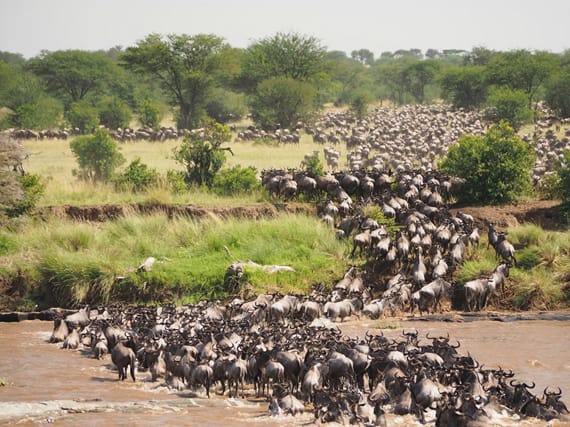
The Great Migration is the annual movement of millions of wildebeests, zebras, and gazelles around the Serengeti ecosystem, seeking fresh grazing grounds and water sources. This isn’t a random movement; it follows a predictable annual cycle determined entirely by rainfall patterns.
From a Swiss traveler’s perspective, what matters is this: the best river-crossing drama happens precisely when you want to be in Zanzibar—July through September.
In 2025, the best-recommended dates to witness the river crossings in the Serengeti are typically from late June to early August. During this period, the herds continue moving north, with the frontrunners arriving in the Kogatende area of the Northern Serengeti at the beginning of July, and the animals are now spread out between the Grumeti Reserve, the Western Corridor and Kogatende. The next major obstacle for the herds is the Mara River crossing, where the animals usually begin to cross from late July into August.
This means: Book a 14-day Zamani Voyage tour in July or August, spend the first week witnessing dramatic river crossings and predator activity in the Serengeti, then retreat to Zanzibar’s tranquil beaches for the second week. It’s the perfect arc: adrenaline followed by restoration.
Why This Works for You
The Serengeti’s dry season (which overlaps with Zanzibar’s June-October period) provides the most dramatic wildlife viewing. Animals congregate around remaining water sources, making them easier to spot. Predator activity is at its peak, especially during calving season (which occurs earlier, December-March, but continues with younger animals throughout the year).
Water Conditions: Diving, Snorkeling, Swimming (Addressing Seaweed Concerns)
This is where many first-time Zanzibar visitors get confused, so let’s be direct.
The Good News About Seaweed
Seaweed on Zanzibar’s beaches is not a deal-breaker; it’s a seasonal reality that requires understanding. The northern ‘kaskazi’ wind blows during January and February, affecting the north and east coasts of the island and bringing some seaweed onto eastern beaches. Conversely, during June-October, the southern ‘kusi’ wind prevails.
June-October Reality
During the June-October peak season, seaweed is at its minimal levels because the wind patterns don’t push accumulated seaweed onto the main tourist beaches. The northern resorts (Nungwi, Kendwa) and western beaches experience the least seaweed during these months.
Diving & Snorkeling
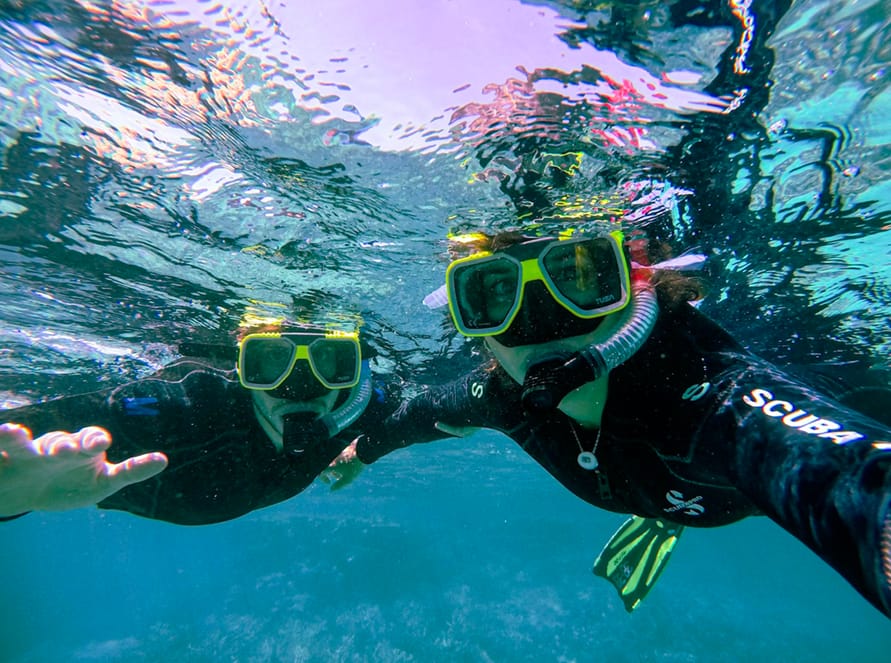
The northern waters remain a good choice for snorkeling and swimming in June. By mid-September, the more challenging deep-water dive sites usually become accessible, with sea temperatures warming to around 26°C (79°F), making September and October some of the best months for diving.
Activities & Cultural Events

Image credit:https://www.thecitizen.co.tz/tanzania/zanzibar/zanzibar-international-film-festival-returns-for-26th-edition–4280756
Zanzibar International Film Festival (July)
July is a vibrant month in Zanzibar, with the Festival of the Dhow Countries, organized by the Zanzibar International Film Festival, taking over Stone Town’s Old Fort district for the first two weeks of July. This festival, one of the largest cultural events in East Africa, incorporates music, film, and dance from across Africa and Asia.
Mwaka Kogwa Festival (Late July)
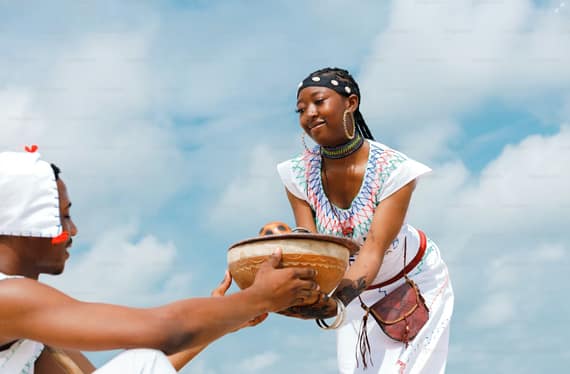
The Mwaka Kogwa festival, an originally Persian new year celebration, takes place at the end of July in the southern village of Makunduchi, featuring dancing, singing, and mock fights.
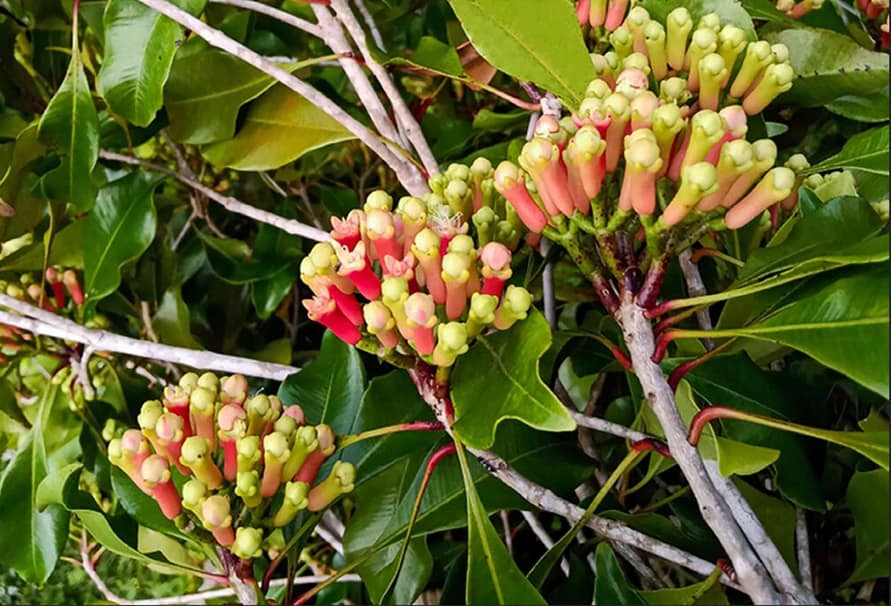
Image credit: https://www.jambointernationaltour.com/pemba-cloves-plantations-exploring-agriculture-heritage/
Clove Harvest Season (July-August)
July is also the start of the clove harvest season on Pemba Island, with the scent of cloves filling the air as they dry in the sun. This adds a sensory dimension to island exploration.
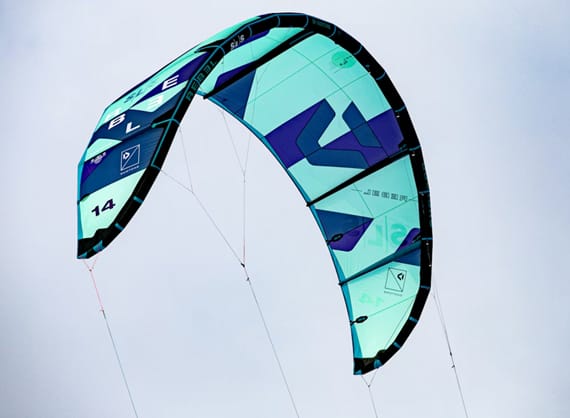
Water Sports & Adventure
Kite surfing is exceptional during this period. Diving, snorkeling, fishing, and boat trips are all reliably available. Stone Town walking tours, spice farm visits, and dolphin-watching excursions operate without interruption.
Crowds & Booking Recommendations
This is the trade-off: peak season means crowds. Tourist numbers increase significantly, with popular resorts like Nungwi and Kiwengwa getting busy. Since the Mara River crossing is such a famous spectacle, and the dry weather remains perfect for safaris, Northern Serengeti and the Masai Mara are at their peak busyness in July and August.
What This Means for Your Booking
For Swiss travelers, this is crucial: book 4-6 months in advance (March-April for July-August travel). Zamani Voyage’s 14-day tours in peak season fill quickly, particularly their luxury 4-5 star accommodation options. Last-minute deals are rare; instead, you’ll find premium pricing.
However, this is precisely what you’re paying for: guaranteed perfect weather, active wildlife, and the security of knowing your entire two-week experience will be seamless.
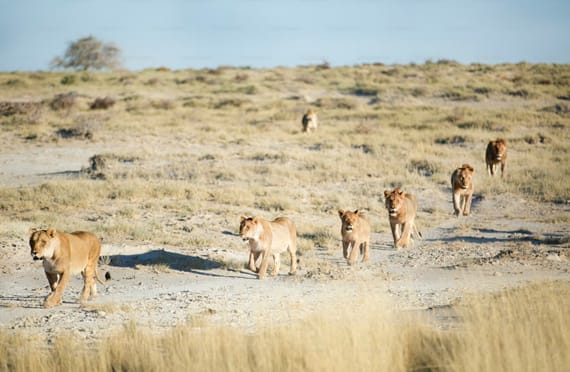
Secondary Dry Season: December–February (Warm & Dry)
Weather & Temperature Differences from June-October
If June-October is Zanzibar’s “Swiss winter escape” for northern Europeans, then December-February is that season on steroids—hotter, more humid, but with brilliant sunshine and reliably dry days.
January in Zanzibar marks the beginning of the short dry season, bringing with it a hot and humid climate with higher temperatures, with daytime highs often reaching up to 35°C (95°F). February is the hottest month of the year in Zanzibar, with daytime temperatures frequently reaching or even surpassing 35°C (95°F).
Compare this to June-October’s cooler 28°C average: you’re looking at a 7-10°C temperature increase. For Swiss professionals accustomed to Alpine climates, this can feel intense, but it’s tempered by the fact that you’re on an island with ocean breezes and easy access to water.
The sea temperature remains invitingly warm, around 30°C (86°F), compared to June-October’s 25-26°C—warm enough that extended water time is genuinely restorative rather than just refreshing.
Wildlife Experiences: Calving Season, Sea Turtles, Migratory Birds
December-February brings wildlife experiences distinct from the June-October safari season—experiences that appeal to different traveler interests.
Calving Season on the Serengeti
Following the ‘short rains’ in November and December, the wildebeests gather on the plains of Ndutu and Salei between the Serengeti National Park and the northern Ngorongoro Conservation Area, with the grass nutrient rich and lush. Over 500,000 calves are born within a few weeks, with the lush grasslands offering prime predator action, as lions, cheetahs, and hyenas hunt abundantly.
This is a different kind of wildlife drama than the river crossings—less about spectacle, more about the raw cycle of life and death on the African plains.
Sea Turtles & Marine Life
In January, swimming with whale sharks off Mafia Island is an excellent time, with the warm temperatures and clear waters making snorkeling an amazing experience. June marks the start of the turtle hatching season around Mafia Island, but December also sees significant nesting and hatching activity.
Bird Watching
While not the peak bird-watching season (that’s the rainy periods), December-February still offers excellent opportunities to spot migratory birds in Zanzibar’s forests and reserves.
Beach & Water Conditions
The warm seas, with temperatures often above 30°C (86°F), invite visitors to swim for hours. The north-eastern ‘kaskazi’ wind, a characteristic feature of the Zanzibar climate, begins to mellow, offering a gentler breeze across the island.
Seaweed presence can increase slightly due to the wind patterns, but it’s still manageable at northern and western resorts. The southern and western coasts, such as Kendwa’s wide beaches and Kizimkazi, become more appealing for sunbathing and dolphin-watching excursions.
Holiday Season Atmosphere & Price Considerations
December and January transform Zanzibar into a festive destination—not just for tourists, but for locals celebrating the holiday season.
New Year’s Eve in Zanzibar is particularly special, with the island coming alive with gala celebrations, glittering parties, and spectacular fireworks. Visitors can choose from a variety of experiences, from luxurious dinner cruises that offer views of the midnight fireworks to lively hotel galas with champagne and live music.
Pricing Reality
This is when Zanzibar’s pricing peaks. December, particularly around Christmas and New Year, attracts larger crowds, and it’s recommended to book in advance. Hotels increase rates by 30-50% compared to shoulder seasons.
For Swiss travelers with fixed holiday schedules, this premium is unavoidable—but it’s worth budgeting for. You’re paying for reliability, festivity, and the certainty that your entire family will enjoy perfect beach weather during school holidays.
Best For: Honeymooners, Holiday Travelers, New Year Planning
If your vacation dates are fixed (school holidays, company closures), December-February is your answer. If you’re honeymooning and want romance plus guaranteed perfect weather, these months deliver. If you’re a family seeking guaranteed sunshine for children’s beach time, this season is ideal.
The trade-off is crowds and premium pricing. The reward is certainty and festivity.
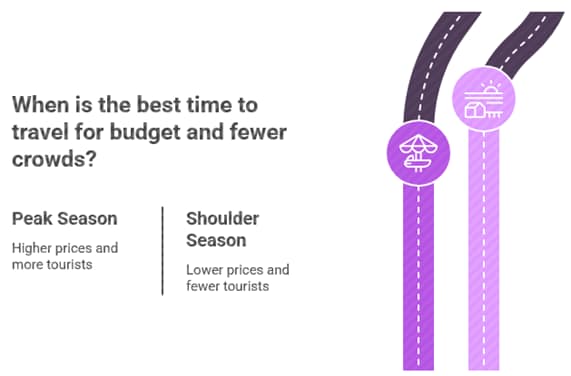
Shoulder Seasons: March, May, November (Budget-Friendly, Fewer Crowds)
Late May: Transition to Dry Season (Lush Landscapes, Lower Prices)
As May unfolds in Zanzibar, the archipelago experiences a significant shift in weather patterns, with the month beginning with the tail end of the rainy season characterized by heavy showers, but as the month progresses, the frequency of rain diminishes, leading to more extended periods of sunshine and clearer skies.
The average daytime temperatures hover around a pleasant 30°C (86°F), creating ideal conditions for leisurely beach days and exploration, with the ‘kusi’ wind becoming more pronounced, providing a refreshing respite from the warmth.
Why This Matters for Budget-Conscious Travelers
May remains part of the wet season, with an average of 15 rainy days, but the showers are often concentrated in the afternoons and usually short-lived, followed by bright, sunny intervals. This transitional weather offers visitors the chance to enjoy Zanzibar’s beaches without the crowds typical of high season—and accommodations offer significant discounts.
For those interested in cultural experiences, May’s quieter atmosphere allows for more intimate interactions with local communities and a deeper exploration of Zanzibar’s rich history and traditions.
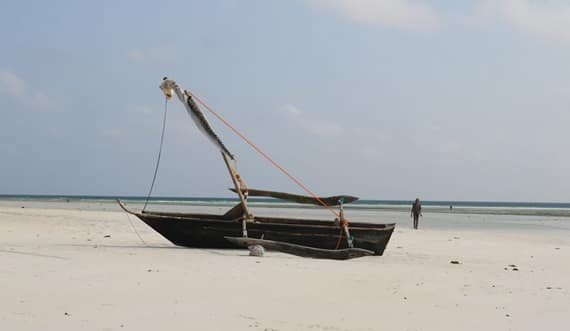
Early November: Short Rains Begin (Afternoon Showers, Manageable Weather)
November in Zanzibar offers a unique blend of warm weather and a relaxed tourist environment, with average daytime temperatures ranging from 28°C to 30°C (82°F to 86°F), while nights are cooler at around 22°C to 24°C (72°F to 75°F).
November marks the start of the ‘short rains’ season, but these showers are typically brief and do not significantly disrupt daily activities, with light winds and glassy seas creating perfect conditions for water activities.
The Authentic November Experience
Tourist numbers decrease in November as the busy summer crowds from Europe and North America start to thin out, offering a more relaxed atmosphere. There are no major festivals or public holidays in Zanzibar during this month, which contributes to the quieter ambiance.
This is when Zanzibar feels most like a working island rather than a tourist destination. You’ll interact with fewer visitors, encounter more local authenticity, and find better prices at accommodations and restaurants.
March: Start of Long Rainy Season (Heavy Rainfall, Heat, Seaweed, But Budget Deals)
March in Zanzibar heralds the onset of the main rainy season, with the island experiencing its hottest and most humid conditions before the monsoon showers begin, usually around mid-month, with daytime temperatures often soaring over 35°C (95°F).
Early March still offers prime beach holiday opportunities, although the increasing thunderheads mark the transition to the low season, leading some hotels and resorts to close.
The March Paradox
This is genuinely the most misunderstood shoulder season. Yes, rainfall is significant. Yes, some resorts close. But listen carefully: March also offers exceptional opportunities for specific traveler types.
The weather in March can be quite unpredictable, alternating between hot, sunny days and heavy downpours, and the lack of wind in March makes for excellent diving and snorkeling conditions on the calmer days, with the glassy seas providing exceptional visibility and fewer tourists on the reefs.
Who Should Visit in March?
- Photographers: The west-facing resorts offer spectacular sunsets, with the sky turning vivid shades of pink and purple over the sea, and dramatic storm clouds add photographic drama.
- Divers: Calm mornings offer glassy seas and exceptional underwater visibility.
- Budget Travelers: While some accommodations close, others offer discounts, making it an attractive time for budget-conscious travelers.
- Those Seeking Solitude: Early mornings are often clear and serene, offering moments of genuine solitude before afternoon storms arrive.
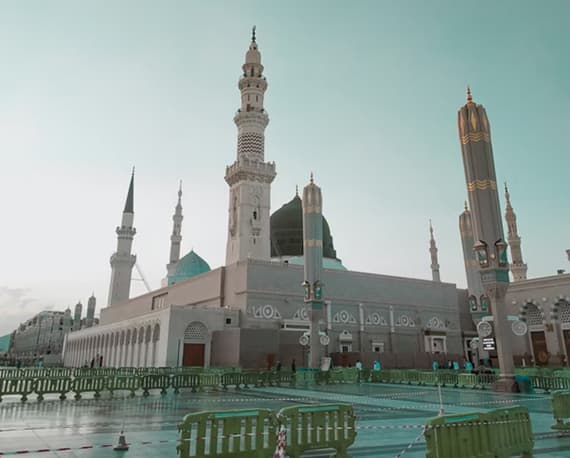
Important Consideration: Ramadan
From 2023 to 2025, Ramadan, the Islamic month of fasting, begins in March. During this period, the daily rhythm in predominantly Muslim Zanzibar changes, with shorter working hours and a focus on spiritual activities, with some restaurants and shops closed during the day, but the evenings come alive after the fast is broken.
Travelers should be mindful of local customs, such as dressing modestly and not eating, drinking, or smoking in public during the day. Despite these changes, Zanzibar remains welcoming, offering a unique cultural experience intertwined with its natural beauty.
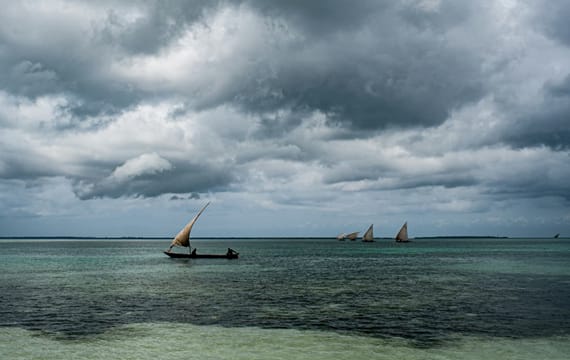
Avoid Rainy Seasons: April–May (Long Rains) & What You Miss
Weather Reality: Heavy Rainfall & High Humidity
Let’s be direct about April and May: these are genuinely challenging months for most visitors.
April in Zanzibar, the island’s wettest month of the year, is characterized by intense rainfalls and warm temperatures, with daily highs often above 30°C (86°F). The warm seas (around 28°C or 82°F) and the mornings often clear and fresh provide ideal conditions for early beach walks and tranquil moments by the sea, but the afternoon storms are typically short and fierce.
Humidity during these months can exceed 80%, making even simple activities feel exhausting. The combination of heat and moisture creates an environment where sweat dries slowly and the air feels thick and heavy.
Impact on Beach & Water Activities
While the lack of wind in March/early April makes for excellent diving and snorkeling conditions on the calmer days with glassy seas and exceptional visibility, this advantage disappears as the season progresses. By May, afternoon storms become so frequent that planning water activities becomes genuinely difficult.
Beach time is interrupted regularly. Days that start sunny often end with power outages, road flooding, and activities canceled.
Resort Closures & Service Limitations
April’s unpredictable weather offers a unique charm, but planning activities can be challenging due to the unpredictable weather, and some resorts and dive operators might be closed.
This isn’t a minor inconvenience—it’s a fundamental limitation. If you’re set on specific experiences (a particular dive site, a planned excursion), there’s a real risk it won’t be available.
When April–May Might Still Work (True Budget Travelers, Quiet Island Time)
That said, there’s a small traveler profile for whom April-May makes sense: true budget travelers who prioritize cost over comfort and those seeking genuine quiet island time.
Many accommodations close during this period, but those that remain open often offer significant discounts. If you’re on a tight budget and don’t mind working around weather disruptions, you can save 50-70% compared to peak season rates.
Additionally, if your primary goal is to experience Zanzibar as locals do—without tourist crowds—April-May delivers exactly that. The lack of tourist traffic, coupled with the lush, rain-drenched landscapes, offers a unique experience that many travelers genuinely enjoy.
Our Assessment: Unless you fall into one of these specific categories, avoid April-May. The cost savings rarely justify the disruptions for Swiss professionals with limited vacation time.
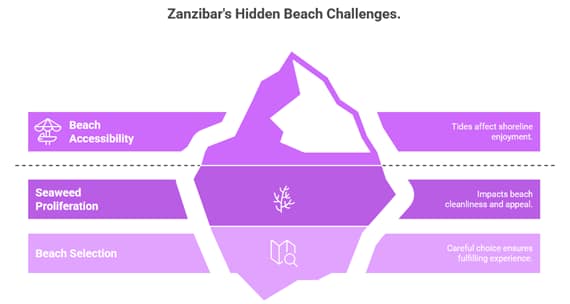
Zanzibar’s Hidden Challenges: Tides, Seaweed & Beach Selection
Low Tide vs. High Tide Dynamics (Impact on Swimming, Beach Access)
Here’s something many first-time Zanzibar visitors discover to their disappointment: not all beaches are created equal, and tides matter far more than you’d expect.
The Indian Ocean experiences significant tidal swings—sometimes 2-3 meters between high and low tide. On Zanzibar’s east coast, this creates a unique geography: shallow lagoons that look turquoise and inviting at high tide but transform into exposed mudflats at low tide, with swimmers left stranded hundreds of meters from deeper water.
What This Means Practically
If your resort is on the east coast (Paje, Kiwengwa, Matemwe), you need to:
- Check tide tables before planning your day
- Time your swimming around tidal cycles—early morning and evening when tides are higher often work best
- Consider accommodation with pools—this becomes a genuine advantage if you’re planning beach time during low tide
West and north-facing beaches (Nungwi, Kendwa, Ras Kizimkazi) experience less dramatic tidal effects and remain accessible throughout the day.
Seaweed Issues: Seasonal Patterns & Which Beaches Are Affected
Now, the seaweed issue that surprises so many visitors.
The northern ‘kaskazi’ wind blows during January and February, affecting the north and east coasts of the island and bringing some seaweed onto eastern beaches. This is particularly true of Paje, Jambiani, and Kiwengwa on the east coast.
The Reality of Seaweed
Seaweed is not a catastrophic problem; it’s a manageable seasonal issue. Think of it like pollen in autumn or leaves on streets in fall—an environmental phenomenon that requires accommodation rather than avoidance.
During June-October, seaweed is minimal on all beaches. During December-February, east-facing beaches may have visible seaweed, but west and north-facing beaches remain clear. During the rainy seasons (March-May, November), seaweed can appear on some east-facing beaches, particularly after storms.
Strategic Beach Selection
- Best Year-Round: Nungwi and Kendwa (north coast)—consistently clear with minimal tidal issues
- Good June-October, manageable December-February: Matemwe, Pingwe (central east coast)—smaller resorts, quieter, some tidal/seaweed considerations
- June-October only: Paje, Jambiani, Kiwengwa (south-central east coast)—excellent in peak season, avoid during windy/rainy months
Best Beaches by Season (Nungwi/Kendwa vs. East Coast Differences)
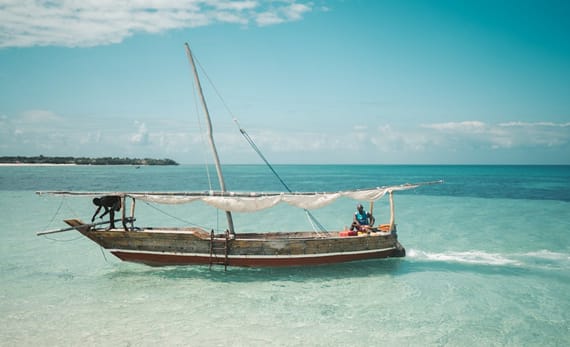
Nungwi & Kendwa (North Coast)
These beaches offer the most consistent experience year-round. They’re sheltered from the strongest winds, face fewer tidal extremes, and maintain accessibility regardless of season. Resorts here are typically larger, with more amenities, and attract a more established tourist infrastructure.
The trade-off: you’re in the busier, more commercialized part of the island. Authenticity is lower, but consistency is higher.
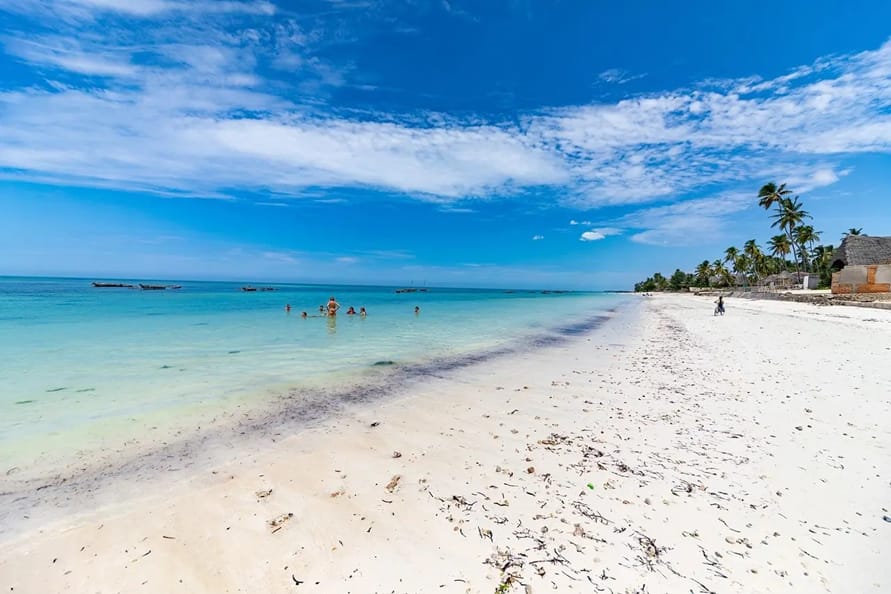
Image credit: https://rumminessafricasafaris.com/best-beaches-in-zanzibar/
East Coast Beaches (Paje, Jambiani, Kiwengwa, Matemwe, Pingwe)
These offer more authentic, village-oriented experiences. Resorts are often smaller, locally owned, and feel more integrated with island life. The beaches are stunning during optimal conditions—turquoise, long, and lined with coconut palms.
The trade-off: tidal considerations, occasional seaweed, and more weather dependency. Best visited June-October.
Accommodation Tip: Swimming Pools Matter on East Coast
If you’re planning an east coast stay, prioritize resorts with swimming pools. This isn’t luxury; it’s pragmatism. When tides are low or winds make the sea choppy, a pool becomes your primary water activity. Many Swiss travelers who initially thought pools were unnecessary later realize their importance.
Wildlife & Safari Considerations: Coordinating Tanzania Parks
For Swiss travelers booking with Zamani Voyage, the real question isn’t just “when should we visit Zanzibar?” but rather “when should we time our entire Tanzania-Zanzibar journey?”
Great Migration Cycles (Calving Dec-March, River Crossings July-October)
The Great Migration isn’t a single event; it’s a 12-month cycle with distinct phases.
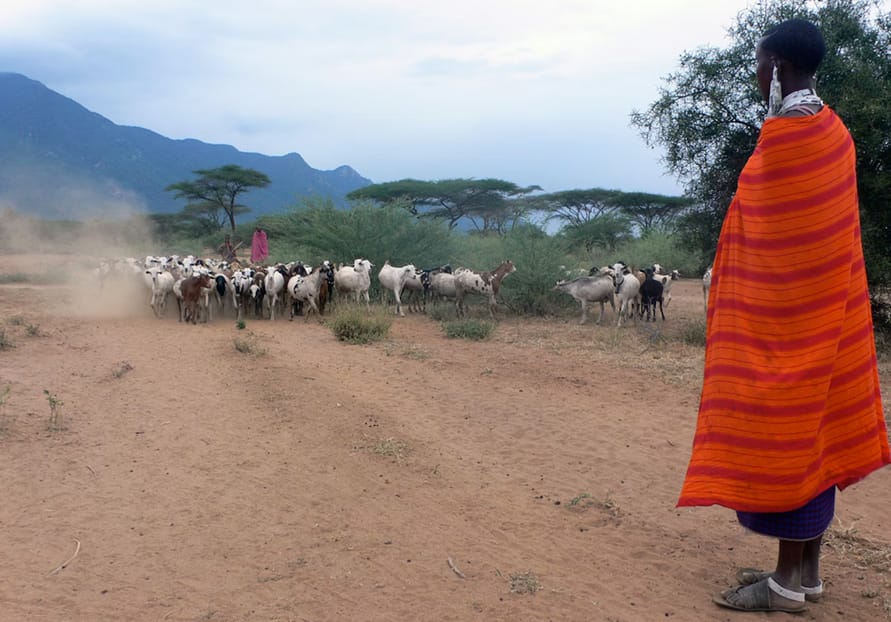
December-March: Calving Season in the South
The herds give birth in the Serengeti, attracting predators, with over 500,000 calves born within a few weeks. This phase offers dramatic predator-prey dynamics as lions, cheetahs, and hyenas hunt the vulnerable young.
April-June: Movement North
The herds travel north, crossing into the Central Serengeti. This period involves migration, with animals constantly moving.
July-October: River Crossings in the North
The herds cross the Mara River in dramatic survival moments. This is the peak spectacle—thousands of wildebeest, zebra, and gazelle attempting to cross crocodile-filled rivers. The drama is unmatched in the wildlife world.
November: Return South
The herds begin their journey back to the Serengeti. For Swiss travelers, the implication is clear: if you want to maximize wildlife drama, book your safari for June-August to catch the river crossings, then retreat to Zanzibar in August-September for relaxation.
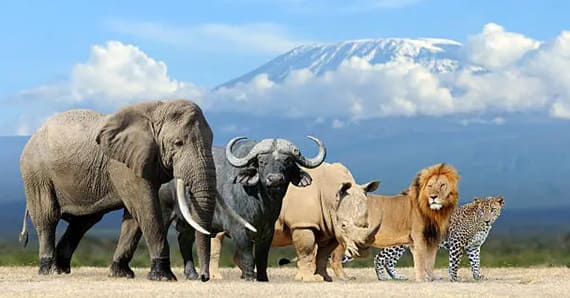
Best Seasons for Big Five Sightings
During the dry season (June-October), animals congregate around remaining water sources, making them easier to spot, and predator activity is at its peak.
However, December-March offer their own advantages. Vegetation is greener (post-rains), and calving season creates abundant prey, triggering intense predator activity.
Bottom Line: June-October offers more consistent viewing; December-March offers dramatic predator interactions. For travellers who care more about value and authenticity than guaranteed sunshine, this green season might actually be the best time to visit Zanzibar.
Bird Watching: Why Rainy Seasons Excel
While we’ve cautioned against April-May for beach holidays, these months are exceptional for bird watchers. Migratory birds arrive, vegetation is lush, and bird activity peaks.
If you’re combining a serious bird-watching itinerary with your Tanzania-Zanzibar journey, consider April or May—just be prepared for rainy beach weather.
Whale Sharks & Dolphins: Seasonal Presence
In January, swimming with whale sharks off Mafia Island is an excellent time, with warm temperatures and clear waters making snorkeling an amazing experience.
Calmer seas off Kizimkazi mark the start of the dolphin spotting season, with opportunities to swim with whale sharks off Mafia Island, particularly in October.
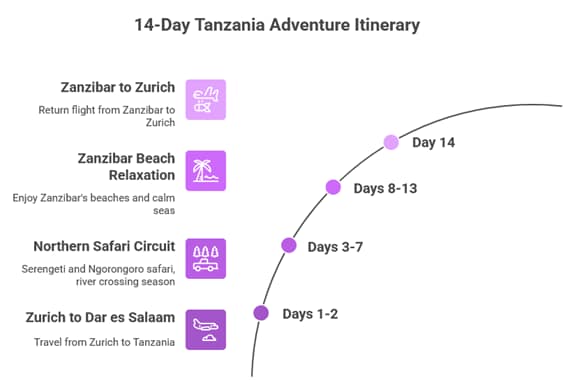
Zamani Voyage’s 14-Day Model: Safari Timing Matches Zanzibar’s Beach Season
This is where Zamani Voyage’s expertise becomes evident. Their 14-day journeys blend northern Tanzania safaris with Zanzibar beach time, structured around wildlife cycles and beach weather.
A typical July-August Zamani Voyage itinerary works like this:
- Days 1-2: Zurich → Tanzania (Dar es Salaam)
- Days 3-7: Northern Safari Circuit (Serengeti, Ngorongoro)—timing catches the tail end of river crossings
- Days 8-13: Zanzibar beach relaxation—perfect weather, calm seas
- Day 14: Zanzibar → Zurich
This structure ensures maximum wildlife drama combined with optimal beach conditions—the reason why Swiss travel professionals overwhelmingly book July-August departures.

Cultural Events & Things to Do: Month-by-Month Highlights
Zanzibar International Film Festival (July)
July is a vibrant month in Zanzibar, with the Festival of the Dhow Countries, organized by the Zanzibar International Film Festival, taking over Stone Town’s Old Fort district for the first two weeks of July.
This festival, one of the largest cultural events in East Africa, incorporates music, film, and dance from across Africa and Asia. For culturally-minded travelers, this transforms July into something special—an opportunity to experience contemporary African cinema and music alongside beach relaxation.
Eid Celebrations & Ramadan Considerations
Eid, marking the end of Ramadan, brings lively festivities, especially in Stone Town. The daily rhythm in predominantly Muslim Zanzibar changes during Ramadan, with shorter working hours and a focus on spiritual activities.
Ramadan dates shift annually (based on the lunar calendar). In 2025, Ramadan begins in late February/early March, making March a particularly rich month for cultural immersion—if you’re prepared to adjust your expectations around meal times and activity hours.
Spice Farm Tours, Stone Town Exploration, Forodhani Night Market (Available Year-Round)
These core Zanzibar experiences are available throughout the year, but they’re most enjoyable in peak weather.
Spice Farm Tours
Zanzibar is known as the “Spice Island,” being the global leader in producing spices like nutmeg, clove, and cinnamon. On spice farm visits, you’ll immerse yourself in the aromas and flavors of the spices, herbs, and tropical fruits such as coconuts, papaya, vanilla, chili, black pepper, and more, witnessing firsthand the cultivation of spices, herbs, and fruits.
July marks the start of the clove harvest season on Pemba Island, with the scent of cloves filling the air as they dry in the sun—timing your visit to July-August means experiencing this seasonal peak.
Stone Town Walking Tours
Stone Town, the capital city and oldest part of Zanzibar, reflects a blend of Arabian, Indian, Persian, and European influences, with its charming, narrow streets home to bustling daily markets, former palaces such as the Sultan’s Palace, and a tragic history of slave trading.
Stone Town is best explored during cooler months (June-October, December-January) when walking the narrow streets for 2-3 hours is genuinely comfortable. In March-May, the heat and humidity make extended walking exhausting.
Forodhani Night Market
This iconic seafront market operates year-round, offering street food, local cuisine, and authentic interaction with locals. It’s particularly vibrant during peak season when tourist numbers are higher.
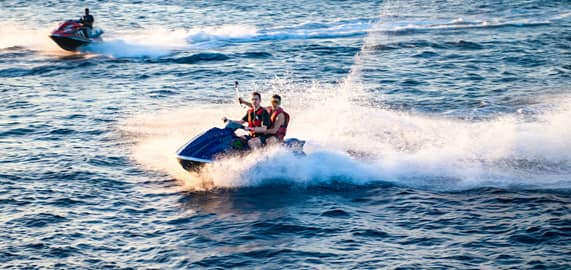
Water Sports & Adventure Activities by Season
Peak Season (June-October): All water sports available—diving, snorkeling, kitesurfing, fishing, boating.
Secondary Dry Season (December-February): All water sports available; kitesurfing less intense due to different wind patterns, but still viable.
Shoulder Season (March, May, November): Variable; plan around weather forecasts.
Rainy Season (April): Limited availability; many operators closed.
Accommodation & Pricing Guide: When You Get the Best Value
Peak Season Pricing: June-October & December-January
During these months, accommodations are fully booked, with major resort areas getting busy. Major luxury resorts book out 3-6 months in advance.
Pricing reflects this demand. Expect to pay:
- 3-star resorts: $150-250 USD per night
- 4-star resorts: $250-400 USD per night
- 5-star luxury resorts: $400-800+ USD per night
Zanzibar’s luxury accommodation options, such as Park Hyatt Zanzibar, offer unique 5-star experiences located near Stone Town, with Park Hyatt Zanzibar pricing from US$468 per night.
For Swiss travelers accustomed to Alpine pricing, these rates are competitive with Swiss luxury hotels—and the experience is genuinely unique.
Shoulder Season Deals: March, May, November
Pricing drops 30-40% during these transitional months. March, November, and early December fall in the shoulder season, with occasional short rains, and while showers are more frequent, they’re usually brief, leaving plenty of sunshine for beach days, with fewer tourists making this a great time for a quieter escape, and accommodation prices tend to be more favourable.
Expect to pay:
- 3-star resorts: $80-150 USD per night
- 4-star resorts: $150-250 USD per night
- 5-star luxury resorts: $250-450 USD per night
Off-Season Discounts: April, September
April and September offer the deepest discounts—often 50-70% below peak rates. April and May, the long rainy season, bring heavier rainfall and higher humidity, with many resorts closed during this period, but those that remain open often offer significant discounts.
Expect to pay:
- 3-star resorts: $40-100 USD per night
- 4-star resorts: $80-150 USD per night
- 5-star luxury resorts: $150-300 USD per night
Reality Check: These discounted rates come with significant trade-offs—weather unpredictability, limited activity options, and potential resort closures.

Zamani Voyage’s Tour Pricing by Season (Tours 1-5 with 3-5 Star Hotel Options)
Zamani Voyage specializes in curated 14-day journeys through small-group departures (typically 8-12 guests), Swiss tour guidance, vetted 3–5 star accommodations, and flights from Zurich, with transparent all-inclusive pricing ranging from CHF 6,790–9,990 per person.
Tour pricing typically follows this structure:
Peak Season (July-August, December-January)
- Standard 3-4 star itinerary: CHF 8,500-9,990 per person
- Luxury 5-star itinerary: CHF 9,500-12,000+ per person
Shoulder Season (March, May, November)
- Standard 3-4 star itinerary: CHF 7,500-8,500 per person
- Luxury 5-star itinerary: CHF 8,500-10,000 per person
Off-Season (April, September)
- Standard 3-4 star itinerary: CHF 6,790-7,500 per person
- Luxury 5-star itinerary: CHF 7,500-8,500 per person
These prices include flights from Zurich, internal transportation, guided safari, Zanzibar accommodation, and selected meals.
Booking Lead Time Recommendations for Swiss Travelers
Peak Season (June-October, December-January): Book 4-6 months in advance. Last-minute availability is rare.
Shoulder Season (March, May, November): Book 2-3 months in advance. More flexibility exists, but popular dates still fill.
Off-Season (April, September): Book 4-6 weeks in advance. Availability is usually guaranteed, but specific resort preferences may have limited options.
Your Decision-Making Framework: The Right Month for You
Best If You Prioritize: Perfect Weather & Wildlife (June-August)
Choose This If:
- You want guaranteed perfect weather (no rain, low humidity)
- You want to witness the Great Migration’s dramatic river crossings
- You’re willing to book 4-6 months in advance
- Budget is flexible enough for peak-season pricing
June-August Reality: Cooler temperatures (28-30°C), minimal rainfall, calm seas, dramatic wildlife. This is why 70% of Swiss travelers choose these months.
Best For: First-time visitors, families, wildlife photographers, couples seeking guaranteed perfect conditions.
Best If You Prioritize: Warm Water & Relaxation (December-February)
Choose This If:
- You want warm seas (28-30°C) and intense sunshine
- You’re traveling during school holidays or company closures
- You want festive holiday atmosphere (December)
- You prefer heat and don’t mind higher humidity
December-February Reality: Hotter (32-35°C), more humid, but reliably dry. Holiday festivity. Calving season drama.
Best For: Families with fixed holiday schedules, honeymooners, those fleeing harsh winters, New Year celebrations.
Best If You Prioritize: Budget & Fewer Crowds (May, Early November)
Choose This If:
- Saving 30-40% on accommodations is important
- You want quieter, more authentic island experiences
- You can tolerate occasional afternoon showers
- You prefer smaller crowds and local interactions
May/Early November Reality: Transitional weather (occasional showers, but mostly sunny), 30-40% lower prices, significantly fewer tourists, lush landscapes.
Best For: Budget travelers, those seeking authentic experiences, travelers flexible with activity planning.
Best If You Prioritize: Photography & Dramatic Scenes (March, September-October)
Choose This If:
- You’re a photographer seeking dramatic skies and light
- You want wildlife drama (predator interactions)
- You’re willing to work around weather for dramatic moments
- You value exclusivity over comfort
March/September-October Reality: Dramatic storms (March), excellent diving conditions (September), deep-water dive sites accessible (September), diverse wildlife (September).
Best For: Professional photographers, serious divers, adventure travelers, those seeking unique rather than comfortable experiences.
Swiss Traveler Bonus: Flight Times, Connections & Logistics from Zurich
Flight Duration & Seasonal Availability
From Zurich to Dar es Salaam (Tanzania’s main gateway), flight time is approximately 10-12 hours with one connection (typically through a Middle Eastern hub like Doha or Abu Dhabi).
Flights from Zurich are available year-round. Peak season (July-August, December-January) sees frequent departures but higher prices. Shoulder and off-seasons have fewer direct connections but more competitive pricing.
From Dar es Salaam, a connecting flight or drive (4-5 hours) reaches your safari starting point (usually in the northern circuit near Kilimanjaro or Arusha).
After your safari, a short domestic flight or ferry transports you from Dar es Salaam to Zanzibar.
Visa & Health Considerations (Yellow Fever, Malaria Prevention by Season)
Visa: Swiss citizens receive a 90-day tourist visa on arrival in Tanzania (approximately 50-100 USD). No advance booking required.
Yellow Fever: Not endemic in Zanzibar itself, but vaccination is strongly recommended if you’re traveling to Tanzania mainland for safari. The vaccination is valid for life and provides protection across Africa.
Malaria Prevention:
- June-October (Peak Dry Season): Malaria risk is lower but not zero, particularly at higher elevations. Prophylaxis is still recommended, especially if you have limited previous malaria exposure.
- December-February (Secondary Dry Season): Risk is slightly higher due to increased humidity. Prophylaxis recommended.
- March-May (Rainy Season): Risk is highest. Prophylaxis strongly recommended.
Consult your Swiss doctor 4-6 weeks before travel for specific recommendations based on your health profile. Antimalarial medications (Malarone, doxycycline, mefloquine) are widely available.
Vaccinations: Beyond yellow fever, standard travel vaccinations (hepatitis A/B, typhoid, tetanus) are recommended.
Currency & Budget Planning (How Seasonal Pricing Affects CHF Spend)
Currency Exchange: 1 CHF ≈ 16,000-17,000 TZS (Tanzanian Shilling). Exchange rates fluctuate; check current rates before travel.
What This Means:
A CHF 8,500 per person Zamani Voyage peak-season tour includes flights from Zurich, safari, Zanzibar accommodation, and selected meals—approximately 8,500 CHF per person for 14 days, or roughly 600 CHF per day all-inclusive. This is genuinely competitive for Swiss travelers compared to organizing independently.
Budgeting Beyond the Tour:
- Activities not included (diving, spice farm tours, Stone Town guides): 50-100 CHF per activity
- Meals not included: 30-80 CHF per day depending on restaurant choice
- Tips & gratuities: 10-15% of tour cost is standard
- Travel insurance: 100-200 CHF for 2-week comprehensive policy (highly recommended)
Peak vs. Shoulder Season Savings:
Choosing shoulder season (March, May, November) over peak season (July-August) can save 1,000-2,000 CHF per person—a significant amount that may justify slightly less predictable weather for budget-conscious travelers.
Conclusion: Your Perfect Zanzibar Moment Awaits
The best time to visit Zanzibar isn’t a mystery—it’s a choice that reflects what matters most to you.
If you crave the absolute certainty of perfect weather, the drama of seeing thousands of wildebeest cross crocodile-filled rivers during your safari, and the peace of mind that comes from booking a fully-arranged journey with Swiss expertise, choose June-August. Yes, you’ll pay peak-season prices. Yes, you’ll encounter other tourists. But you’ll also get exactly what you’ve imagined—a flawless two-week African adventure.
If you’re locked into December-January holidays with family and value festive atmosphere and warm seas over everything else, choose December-February. The intensity of the heat may surprise you, but the certainty of sunshine and the holiday energy transform Zanzibar into something magical.
If you’re flexible with dates and want to stretch your travel budget further while still experiencing Zanzibar’s essential magic—just with occasional rain—choose the shoulder seasons: May, early November. You’ll meet fewer tourists, interact with more authentic island life, and save substantially.
If you’re a photographer or serious adventurer willing to work around weather for dramatic moments and unique experiences, March and September-October reward those with flexibility and patience.
But here’s the reality that separates successful Zanzibar trips from disappointing ones: Don’t try to plan this alone.
This is precisely where Zamani Voyage transforms your journey. Founded to serve Swiss travelers specifically, Zamani Voyage combines the expertise of seasoned Tanzania guides with the precision and reliability Swiss professionals expect. Their 14-day itineraries aren’t generic African tours—they’re carefully constructed journeys that time safari drama to coincide with Zanzibar’s perfect beach seasons, coordinate flights from Zurich, handle every logistical detail, and ensure your two weeks unfold flawlessly.
Explore Zamani Voyage’s complete tour options at zamani-voyage.ch to see departure dates, accommodation options, and all-inclusive pricing. Small-group departures (typically 8-12 guests) ensure an intimate experience while maintaining the professional structure that Swiss travelers value.
Whether you’re a first-time Africa visitor or a seasoned traveler, whether you prioritize perfect weather, budget optimization, or authentic cultural immersion, the right month exists for your vision—and Zamani Voyage’s expertise ensures you experience it perfectly.
Your dream African adventure awaits. The only question left is: when will you book?
FAQ: 5 Essential Questions Zanzibar First-Timers Ask
1. “Is July–August really the best time, or is it overrated?”
No, it’s not overrated—it’s genuinely the optimal choice for most travelers. July and August coincide with the Great Migration’s most dramatic river crossings, meaning if you’re combining safari with beach time, you’ll witness wildlife drama that ranks among Earth’s greatest natural spectacles. Zanzibar’s weather is at its absolute best—cool (28°C), dry, with calm seas and clear visibility. The trade-off is crowds and peak pricing. But for Swiss professionals with limited vacation time, the certainty of perfect conditions justifies the premium.
2. “Will I see seaweed on the beach in July-August?”
Minimal to none. During June-October, the southern ‘kusi’ wind patterns don’t push accumulated seaweed onto the main tourist beaches. If you’re staying at northern resorts like Nungwi or Kendwa, seaweed is virtually non-existent. East coast beaches may see occasional seaweed, but it’s manageable. It’s primarily January-February when the northern ‘kaskazi’ wind brings some seaweed onto eastern beaches, and late March-May when occasional seaweed appears.
3. “Can I really see the Great Migration if I visit Zanzibar?”
You won’t see the migration from Zanzibar itself—the island is 40km offshore. But if you’re doing a Zamani Voyage 14-day tour, you’ll spend the first week on Tanzania mainland experiencing the migration, then move to Zanzibar for beach relaxation. This combination is precisely what makes Swiss travelers choose July-August: safari drama, then restoration.
4. “Is December-February too hot for outdoor activities?”
It depends on your heat tolerance. Daytime temperatures reach 32-35°C (90-95°F), with high humidity. For Swiss professionals accustomed to Alpine climates, this is intense. However, the sea remains invitingly warm at 28-30°C, and most activity happens during cooler morning hours or later afternoon. Many travelers find the warmth and holiday festivity worth the heat. If you struggle with heat, choose June-August instead.
5. “Which month offers the best value without sacrificing experience?”
May or early November. May transitions from rainy season with diminishing rainfall, lush landscapes, pleasant temperatures around 30°C, and afternoon showers usually short-lived. November marks the start of the short rains with brief showers, temperatures 28-30°C, fewer tourists, and lower prices. Both months offer 30-40% savings versus peak season. Weather is reliable enough for most activities. Crowds are manageable. Tourism infrastructure is fully operational. For budget-conscious travelers willing to occasionally work around afternoon showers, these months deliver genuine value.
Ready to experience Zanzibar perfectly? Visit zamani-voyage.ch today and begin planning your African adventure.
More Useful Guides for Learning the Best Time to Visit Zanzibar
- Zanzibar Best Time to Visit: Complete 2026 Guide
- Zanzibar Tanzania: Complete Weather & Travel Guide 2026
- Top Activities in Tanzania Zanzibar for Every Season (Updated 2025-2026)
- Budget Safari Tanzania: Cost & Planning Guide 2026
- Tanzania with Zanzibar: 14-Day Itinerary Guide 2026
- Packing List Tanzania Zanzibar: Complete Guide 2026
- Zanzibar Tanzania Beach Guide: Which to Visit & When (2026)


