

Five National Parks in Tanzania and World-Class Safari Destinations
When exploring National Parks in Tanzania, the country offers five major safari destinations, each delivering distinct wildlife experiences. Your choice depends on available time, primary interests, budget, and preferred experience style.
The Serengeti delivers the Great Migration spectacle and highest wildlife density. Ngorongoro Crater concentrates animals in a unique volcanic setting. Tarangire showcases massive elephant herds and 550+ bird species. Lake Manyara features tree-climbing lions and dramatic escarpment views. Southern National Parks in Tanzania offer walking safaris and river-based adventures.
Understanding each park’s strengths helps you maximize your limited safari time. This guide provides detailed comparisons of the best National Parks in Tanzania to support your decision.
For a comprehensive look at planning your dual adventure, read The Complete Guide to Combining Tanzania Safari with Zanzibar Beach Holiday in 2026.
The Serengeti: Iconic Wildebeest Migration & Ultimate Big Five
What Makes Serengeti Special?
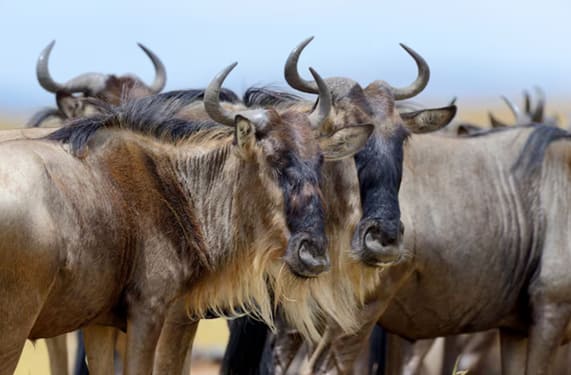
The Serengeti is the most famous of all National Parks in Tanzania, and deservedly so. This UNESCO World Heritage Site spans 30,000 square kilometers across northern Tanzania and southern Kenya. The name “Serengeti” means “the place where the land runs on forever”—an apt description for the seemingly endless golden plains.
The Great Migration: Between July and October, 1.5 to 2 million wildebeest, 300,000+ zebras, and countless gazelles traverse Serengeti’s plains in pursuit of seasonal rains. This mass movement is nature’s most dramatic spectacle. River crossings—particularly July–August at the Grumeti and Mara rivers—create intense predator-prey dynamics. Crocodiles and lions concentrate at river crossing points, creating life-or-death scenes unforgettable to witness.
Big Five guarantee: The Serengeti reliably delivers Big Five encounters: lions (1,000+ individuals), African elephants (herds), Cape buffalo, leopards, and African rhinoceros. Additionally, you’ll encounter cheetahs, wild dogs, hyenas, and countless smaller predators.
Landscape variety: Contrary to popular belief, Serengeti isn’t uniformly grassland. Northern regions feature river valleys and acacia woodlands. Central plains are open grassland. Southern regions (Ndutu) transition to woodlands. This variety supports different wildlife species in different zones.
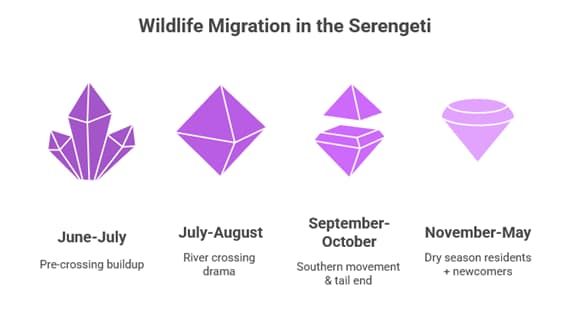
Wildlife Viewing by Season
June–July: Pre-crossing buildup
- Vast wildebeest herds gather on southern plains
- River levels drop, forcing animal movement northward
- Predator hunting success increases (migration stress weakens prey)
- Visiting operators begin moving to northern river crossing zones
- Cost: Peak pricing begins
July–August: River crossing drama
- Main river crossings occur (Grumeti River, Mara River)
- Crocodile predation, lion attacks common
- Predator-prey interactions at highest intensity
- Photographic opportunities exceptional (drama + light quality)
- Crowds heaviest; book 2–3 months in advance
- Cost: Absolute peak pricing
September–October: Southern movement & tail end
- Herds begin returning to southern plains
- Final river crossings continue (less dramatic than July–Aug)
- Prices begin declining from peak
- Calving begins late September (newborn vulnerability)
- Tourist numbers decrease moderately
- Cost: Slightly lower than July–August
November–May: Dry season residents + green season newcomers
- Migration present but concentrated on southern Ndutu plains
- Calving season peaks February–March
- Predator hunting intensity highest (vulnerable calves)
- Landscape transitions green (November–December) to golden (later months)
- Fewer tourists; more peaceful safari experience
- Cost: Lowest pricing
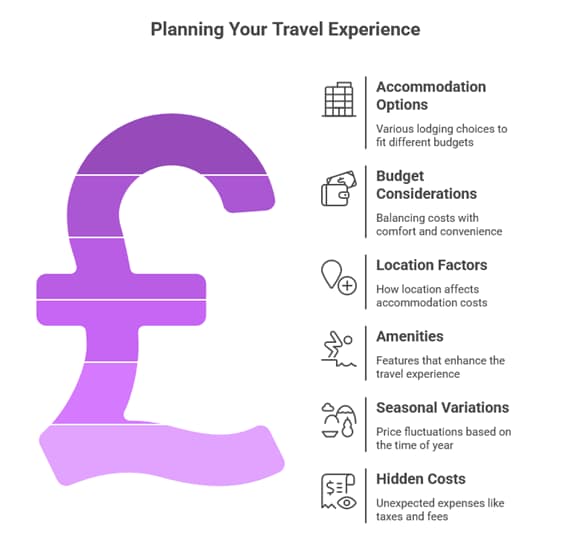
Accommodation & Costs
Luxury tented camps ($1,800–$2,500/night):
- Sayari Camp: Northern Serengeti, migration focus, private concession
- Olakira Migration Camp: Exclusive location, walking safaris available
- Four Seasons Serengeti: Ultra-luxury, spa, hot air balloon option
Mid-range lodges ($400–$800/night):
- Serengeti Sopa Lodge: Hilltop location, panoramic views
- Lobo Wildlife Lodge: Northern alternative, river views
Budget options ($20–$200/night):
- Serengeti Wilderness Camp: Basic but adequate
- Camping options: $20–$50/night
Discover the best spots for both exploration and leisure in the Zanzibar Island Guide: From Stone Town Culture to Beach Relaxation.
Best For Whom?
- First-time safari visitors: Guaranteed Big Five experiences
- Migration enthusiasts: July–August offers unmatched spectacle
- Photographers: Exceptional light, dramatic animal behavior
- Couples seeking romance: Bush dinners, sunrise game drives
- Those with 4+ days: Time to explore different park zones
Ngorongoro Crater: Black Rhinos & UNESCO Drama
What Makes Ngorongoro Unique?
The While technically a Conservation Area, it is often grouped with National Parks in Tanzania as Earth’s largest unflooded volcanic caldera, a geological wonder turned wildlife sanctuary. This UNESCO World Heritage Site encompasses 26,400 square kilometers and drops approximately 600 meters from rim to floor.
Ecological uniqueness: The crater’s enclosed ecosystem creates extraordinary wildlife concentration. An estimated 25,000 large animals inhabit the crater floor at any given time—lions, elephants, buffalo, wildebeest, zebras, and countless smaller species—all within a contained environment.
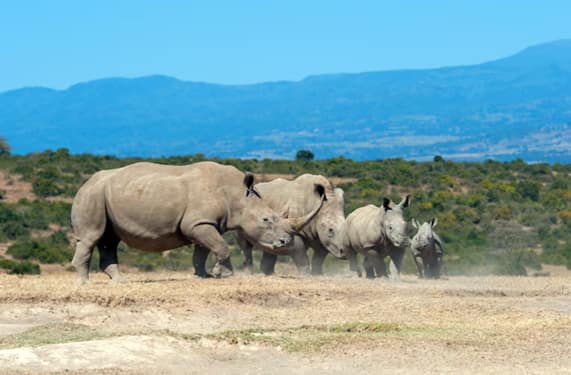
Black rhino stronghold: The crater contains Tanzania’s highest black rhino concentration. If rhino viewing is your priority, Ngorongoro offers your best chance to see this endangered species.
Time efficiency: The crater is ideal for time-constrained travelers. You can experience world-class wildlife viewing and unique landscapes in just 2–3 days, making it perfect for travelers combining multiple destinations.
Viewing experience: Descending into the crater feels like entering a prehistoric world. The landscape shifts dramatically from Rift Valley Escarpment (2,400m elevation) to grassland, forest, and soda lake environments (1,800m).
Wildlife Viewing by Season
Year-round wildlife presence (unlike migratory Serengeti):
- Animals stay within crater ecosystem year-round
- Water and food availability stable throughout seasons
Best dry season viewing (June–October):
- Minimal grass cover, excellent visibility
- Animals concentrate at remaining water sources
- Predator hunting success highest
- Drier conditions create sharper, crisper photography
Green season dynamics (November–May):
- Animals dispersed (more water availability)
- Landscape lush, vibrant
- Calving season (Feb–March) creates newborn vulnerability
- Bird watching improves
Seasonal wildlife presence:
- Lions: Year-round, 60–100 individuals
- Elephants: Year-round herds
- Black rhinos: Year-round, best viewed June–Oct
- Cape buffalo: Large herds, year-round
- Flamingos: Soda lake presence varies by season
Accommodation & Costs
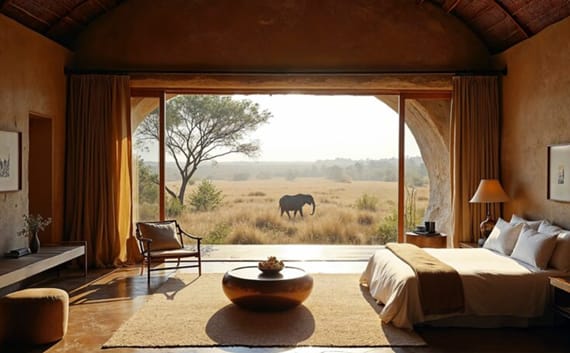
Luxury lodges ($1,200–$2,000/night):
- The Highlands: Crater rim position, glass-fronted suites, fine dining
- Sopa Lodge Ngorongoro: Crater views, multiple dining venues
Mid-range options ($400–$800/night):
- Kitela Lodge: Comfortable, reliable, crater descent included
- Crater Lodge: Budget-friendly mid-range option
Budget choices ($80–$150/night):
- Budget crater camps: Simple facilities, access to crater
Best For Whom?
- Time-constrained travelers: 2–3 days delivers full experience
- Black rhino enthusiasts: Best Tanzania location for rhino viewing
- Photographers: Dramatic volcanic landscape, concentrated wildlife
- Honeymooners: Stunning crater views, intimate setting
- Those combining multiple destinations: Efficient time utilization
Optimize your travel route regardless of your trip length with the Best Tanzania Itinerary Options: 7, 10, & 14 Day Plans.
Tarangire National Park: Elephant Herds & Baobab Landscapes
Why Tarangire Stands Out
Tarangire is often overlooked in favor of Serengeti, which actually makes it special. Fewer visitors mean more intimate wildlife encounters and quieter safari experiences.
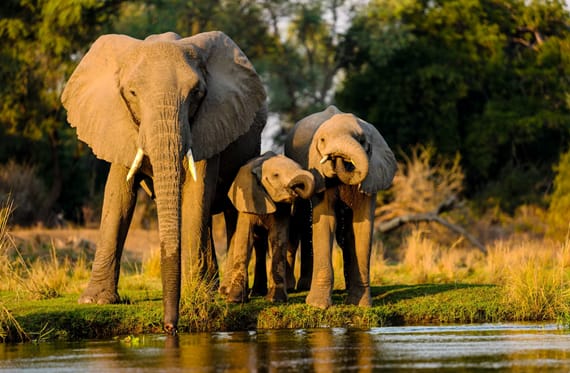
Elephant spectacle: During dry season (June–October), Tarangire hosts over 300 elephant herds—the largest seasonal elephant concentration outside Serengeti. These herds congregate at the Tarangire River when other water sources dry up, creating unforgettable viewing opportunities.
Distinctive landscape: Massive baobab trees characterize Tarangire’s landscape, creating photography opportunities unique among other National Parks in Tanzania.. The massive trees photograph beautifully during golden hours.
Bird watching paradise: Over 550 bird species make Tarangire a serious ornithologist destination. Both resident and seasonal migratory species create exceptional diversity.
Peaceful experience: Tarangire receives a fraction of Serengeti’s visitors, allowing peaceful game drives, patient wildlife observation, and intimate animal encounters.
Wildlife Viewing by Season
Peak season (June–October):
- 300+ elephant herds converge at Tarangire River
- Dry conditions concentrate wildlife at water sources
- Over 550 bird species present
- European migratory birds arrive (July onward)
- Visibility excellent, photography optimal
- Tourist numbers lower than Serengeti
Green season (November–May):
- Animals dispersed (widespread water availability)
- Lush, vibrant landscape
- Migratory species increase (especially Jan–March)
- Fewer tourists, peaceful experience
- Prices significantly lower
Seasonal wildlife highlights:
- Elephants: 300+ herds (June–Oct), year-round presence
- Lions: Active year-round, often in small prides
- Buffalo: Large herds (June–Oct concentration)
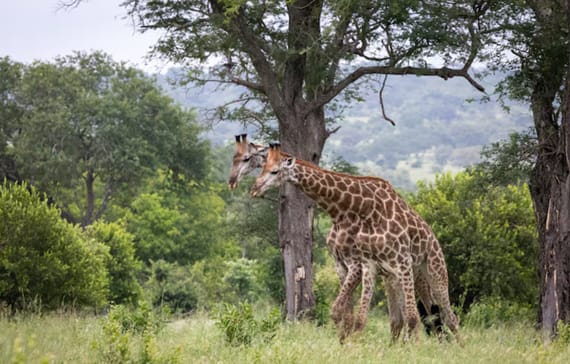
- Giraffes: Year-round, iconic among baobabs
- Zebras: Year-round presence
- Birds: 550+ species, peak diversity June–Sept
Accommodation & Costs
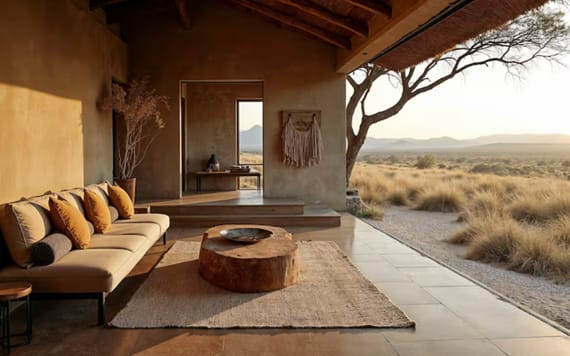
Mid-range emphasis (Tarangire has fewer luxury options):
- Tarangire Sopa Lodge: River views, popular
- Tarangire Safari Lodge: Comfortable, reliable
Budget options ($100–$200/night):
- Basic safari camps: Adequate for budget travelers
Best For Whom?
- Bird watchers: 550+ species
- Photographers: Baobab trees, scenic landscapes
- Elephant enthusiasts: Largest dry-season concentration
- Travelers seeking intimate experiences: Fewer crowds
- Budget-conscious visitors: Good value compared to Serengeti
Compare costs and travel times in our breakdown of the Best Transport to Zanzibar: Flight vs Ferry & Logistics in 2025-2026.
Lake Manyara National Park: Tree-Climbing Lions & Avian Abundance
The Lake Manyara Experience
Lake Manyara is compact but extraordinarily biodiverse. Despite being one of Tanzania’s smallest parks, it delivers exceptional wildlife viewing and unique experiences unavailable elsewhere.
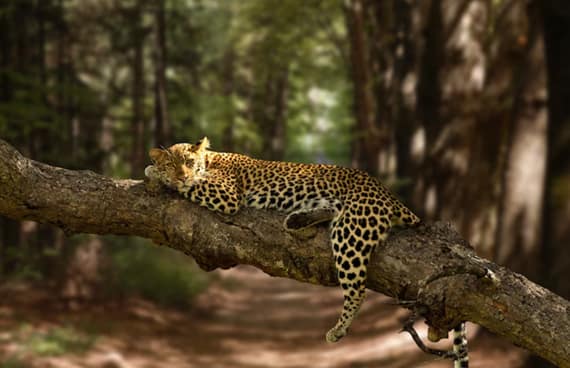
Tree-climbing lions: Lake Manyara’s most famous residents are lions that rest in acacia trees. This unusual behavior—unusual because most lions don’t climb—is thought to help them escape heat, insects, and ground disturbance. Photographing these lions in trees creates iconic images.
Bird watching capital: Over 400 bird species frequent Lake Manyara, more than any other of the National Parks in Tanzania. Flamingos color the soda lake pink during certain seasons (dependent on algae blooms). Eagles, storks, and countless smaller species create bird-watching paradise.
Dramatic landscape: The Rift Valley Escarpment creates stunning backdrops. The park transitions from forest to lakeside, grassland to acacia woodland—variety in compact area.
Photography opportunities: Tree-climbing lions, flamingo-pink lakes, escarpment vistas—Lake Manyara offers exceptional photographic subjects.
Wildlife Viewing by Season
Best dry season viewing (June–October):
- Animals concentrate at remaining water sources
- Tree-climbing lions visible in acacia trees
- Flamingo populations peak (if algae present)
- Eagles active, hunting opportunities visible
- Visibility optimal for photography
Green season dynamics (November–May):
- Animals dispersed (widespread water availability)
- Flamingos absent (dependent on algae blooms)
- Different bird species present (migratory arrivals)
- Lush landscape, vibrant vegetation
Seasonal wildlife presence:
- Lions: Year-round, famous for tree-climbing behavior
- Elephants: Herds present year-round
- Buffalo: Large herds (especially dry season)
- Giraffes: Year-round, photogenic against escarpment
- Flamingos: Variable presence (algae-dependent)
- Birds: 400+ species, peak diversity June–Sept
Accommodation & Costs
Mid-range (Lake Manyara is primarily mid-range focused):
- Lake Manyara Sopa Lodge: Escarpment views, $500–$700/night
- Lake Manyara National Park Hotel: Budget-friendly, $400–$600/night
Budget options: $80–$150/night
Best For Whom?
- Ornithologists: 400+ bird species
- Wildlife photographers: Unique tree-climbing lions, flamingos
- Couples seeking romance: Stunning sunset views, dramatic landscapes
- Those with 1–2 days: Compact park, full experience in short time
Discover hidden gems and high-end resorts in the Best Tanzania Lodges & Zanzibar Hotels: Luxury to Budget Guide 2025-2026.
Southern Circuit National Parks in Tanzania: Nyerere & Ruaha – Off-the-Beaten-Path Adventures
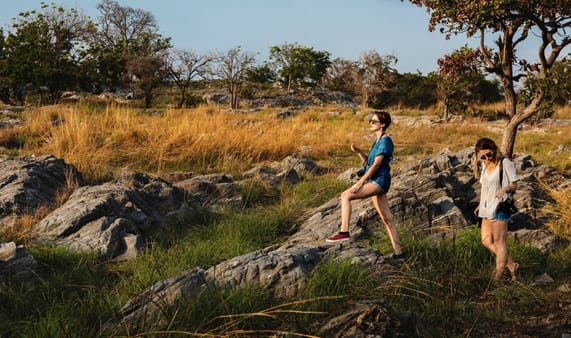
When to Choose Southern National Parks in Tanzania
While northern National Parks in Tanzania receive most tourist attention, southern National Parks in Tanzania offer distinctive experiences for adventurous travelers.
Lower visitor density: Southern National Parks in Tanzania attract 1/5 the visitors of northern parks, meaning you may have entire game-drive areas to yourself.
Walking safaris: Unlike northern National Parks in Tanzania (primarily vehicle-based), southern National Parks in Tanzania offer walking safaris with expert guides. This intimate, pedestrian perspective transforms wildlife encounters.
Boat safaris: Rivers in southern National Parks in Tanzania allow boat safaris, providing unique vantage points unavailable in northern National Parks in Tanzania.
Longer itineraries required: Southern National Parks in Tanzania work best for travelers with 5+ days (vs. 2–3 for northern National Parks in Tanzania). The increased travel distance justifies longer stays.
Key Features & Wildlife
Nyerere National Park (formerly Selous Game Reserve):
- Largest protected wildlife area in Tanzania
- River-based safari experiences (Rufiji River)
- Walking safaris and boat safaris
- Good wildlife density, fewer visitors
- Endemic species unavailable in northern National Parks in Tanzania
- Tanzania’s largest national park
- Walking safaris emphasis
- River valley landscapes
- Excellent predator encounters
- Remote, wilderness feel
Wildlife presence:
- Large elephant populations
- Lion and leopard encounters common
- Wild dogs (endangered species)
- Hippos and crocodiles (river-based)
- Bird diversity comparable to northern National Parks in Tanzania
Accommodation & Costs
Mid-range to luxury focus (southern National Parks in Tanzania emphasis quality over budget):
- $600–$1,500/night typical
- Specialized camp experiences
- Smaller group sizes
Best For Whom?
- Adventure seekers: Walking safaris, river experiences
- Experienced travelers: Previous Africa safari background
- Those with 5+ days: Justifies additional travel time
- Photographers seeking wildlife drama: Excellent predator encounters
Learn which months offer the best weather for your hobbies in Tanzania Activity Planning by Season: When to Snorkel, Dive, Safari, and Explore.
Side-by-Side Comparison Table
| Park | Best Season | Key Wildlife | Crowd Level | Cost/Night | Best For |
| Serengeti | July–Oct (migration) | Wildebeest migration, Big Five, predators | High | $1,200–$2,500 | First-timers, migration enthusiasts, photographers |
| Ngorongoro | Year-round | Black rhinos, concentrated density, Big Five | Medium | $1,000–$2,500 | Time-constrained, rhino lovers, dramatic landscapes |
| Tarangire | June–Oct | 300+ elephant herds, 550+ birds, baobabs | Low | $300–$600 | Bird watchers, elephant enthusiasts, peaceful experience |
| Lake Manyara | June–Oct | Tree-climbing lions, 400+ birds, flamingos | Low | $300–$600 | Ornithologists, photographers, compact experience |
| Southern National Parks in Tanzania | June–Oct | Walking safaris, river experiences, predators | Very Low | $600–$1,500 | Adventure seekers, experienced travelers, wilderness |
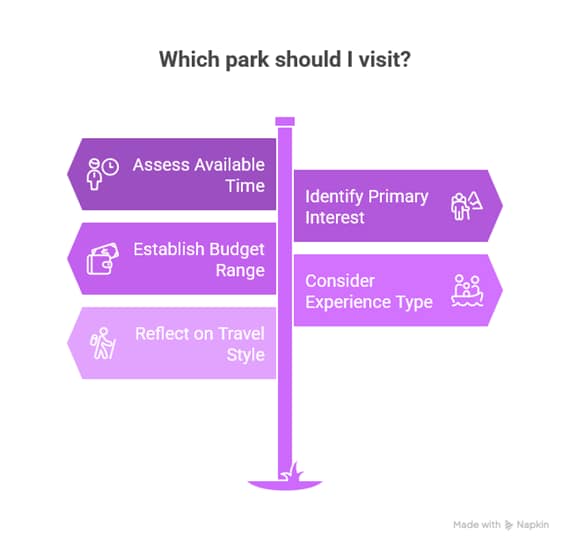
Choosing Your National Parks in Tanzania: Decision Framework
Available Time
- 2–3 days: Ngorongoro Crater (concentrated experience)
- 3–4 days: Lake Manyara or Tarangire (intimate wildlife)
- 5–6 days: Serengeti (northern circuit, migration if July–Oct)
- 7+ days: Multiple National Parks in Tanzania or southern circuit
Primary Interest
- Wildlife migration: Serengeti (July–Oct only)
- Big Five diversity: Serengeti, Ngorongoro
- Black rhinos: Ngorongoro (highest concentration)
- Bird watching: Tarangire (550+ species), Lake Manyara (400+ species)
- Elephant herds: Tarangire (300+ herds, June–Oct)
- Tree-climbing lions: Lake Manyara
- Walking safaris: Southern National Parks in Tanzania
Budget Range
- Luxury ($1,500+/night): Serengeti exclusive camps
- Mid-range ($400–$800/night): All National Parks in Tanzania available
- Budget ($50–$200/night): Tarangire, Lake Manyara, southern National Parks in Tanzania
Experience Type
- Vehicle safari only: All northern National Parks in Tanzania
- Vehicle + walking safaris: southern National Parks in Tanzania
- Vehicle + boat safaris: southern National Parks in Tanzania, Lake Manyara (limited)
Travel Style
- Comfort-focused: Ngorongoro (rim lodges), Serengeti luxury camps
- Balanced adventure/comfort: Tarangire, Lake Manyara mid-range lodges
- Adventure-focused: Southern National Parks in Tanzania, budget camps
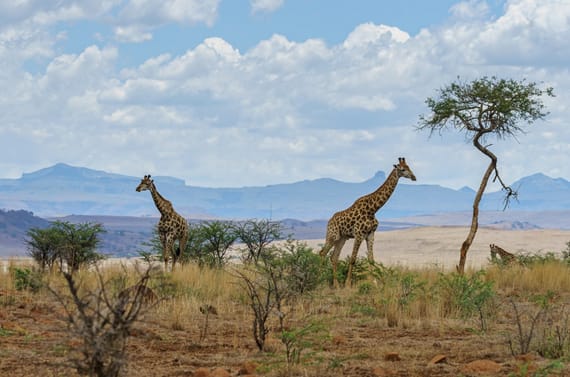
Combining the Best National Parks in Tanzania: The Northern Circuit
Most travelers structure safaris by visiting 2–3 National Parks in Tanzania sequentially. This approach maximizes wildlife diversity while remaining logistically efficient.
Classic 5-Day Northern Circuit
Day 1: Tarangire National Park (elephant herds, baobabs) Day 2: Lake Manyara National Park (tree-climbing lions, birds) Days 3–4: Serengeti or Ngorongoro (wildlife density, migration if season) Day 5: Fly to Zanzibar (beach finale)
Advantages: Diverse wildlife, varied landscapes, proven itinerary, established lodge network
Wildlife variety: Elephants → tree-climbing lions → Big Five/migration
Extended 7-Day Northern Circuit
Adds more time in Serengeti or Ngorongoro for deeper exploration and multiple game drives per park.
Route to Zanzibar: Quick 1-hour flight from Seronera (Serengeti) or Ngorongoro region
Start planning your ultimate getaway today by reading The Complete Guide to Combining Tanzania Safari with Zanzibar Beach Holiday in 2026.
FAQ
1. Which National Parks in Tanzania has the best Big Five guarantee?
Serengeti offers the most reliable Big Five encounters due to highest wildlife density and predator concentration. However, Ngorongoro also guarantees Big Five (especially black rhinos). All major National Parks in Tanzania offer excellent probability; wildlife encounters are never 100% guaranteed, but probability is 90%+ in dry season at major National Parks in Tanzania.
2. Can I see the Great Migration outside July–October?
The migration occurs year-round along a circular path. The most dramatic river crossings happen July–September. Outside these months, herds are dispersed on southern plains (November–April), less visually spectacular but still present. May–June sees migration movement northward (less dramatic than August crossings).
3. Is Ngorongoro better than Serengeti?
Different, not better or worse. Ngorongoro offers time-efficient wildlife concentration. Serengeti offers migration spectacle and predator drama. For 2–3 days: Ngorongoro. For 4–5 days: Serengeti. For comprehensive: both.
4. Are southern National Parks in Tanzania worth the extra travel time?
Yes, if you have 5+ days and prioritize walking safaris and remoteness. The dramatic predator encounters and wilderness feel justify additional travel time for adventure-focused travelers. For 10-day trips combining beach time, northern National Parks in Tanzania are more practical.
5. What’s the difference between dry and green season viewing?
Dry season: concentrated animals, excellent visibility, peak prices, higher crowds. Green season: dispersed animals, lush landscape, lower prices, fewer tourists, calving season drama. Both offer excellent wildlife viewing; dry season offers better probability of specific animal encounters.
Ready to Choose Your Perfect Safari National Parks in Tanzania?
Each park offers unique experiences. Your choice depends on available time, budget, and travel style. Most travelers benefit from professional guidance to optimize their limited safari time.
Zamani Voyage experts help you select National Parks in Tanzania matching your priorities, arrange quality accommodations, and handle all logistics.
👉 Book a consultation call — We’ll recommend specific National Parks in Tanzania , discuss seasonal timing, and create your perfect itinerary.


