

Experience Top Tanzania and Zanzibar Activities
Planning your Tanzania activities requires understanding that the country offers dramatically different experiences depending on the season. Wildlife behavior, weather conditions, costs, and available Tanzania activities shift seasonally.
Smart planning aligns every Tanzania activity with its optimal season: Great Migration river crossings (July–August), calving season predator drama (February–March), whale shark swimming (November–March), bird watching peaks, and cultural experiences.
Understanding seasonal dynamics allows you to maximize your specific travel dates and select optimal timing for your priority Tanzania activities.
Find out why so many travelers choose this itinerary in The Complete Guide to Combining Tanzania Safari with Zanzibar Beach Holiday in 2026.

June–October Dry Season (Peak Safari Season)
The dry season represents Africa’s most famous safari period, with excellent reasons: wildlife concentration, comfortable weather, dramatic predator-prey encounters, and photographic perfection.
Overall Weather & Conditions
Temperature: Warm, sunny days (25–28°C/77–82°F), cool evenings (10–15°C/50–59°F). Pack a light jacket for evening bush dinners.
Rainfall: Minimal. Clear skies daily, excellent visibility for photography.
Landscape: Grass progressively shorter as season advances. By August–October, short golden grass dominates open plains.
Overall assessment: Optimal conditions for most safari travelers.
Top Wildlife Tanzania Activities in Dry Season
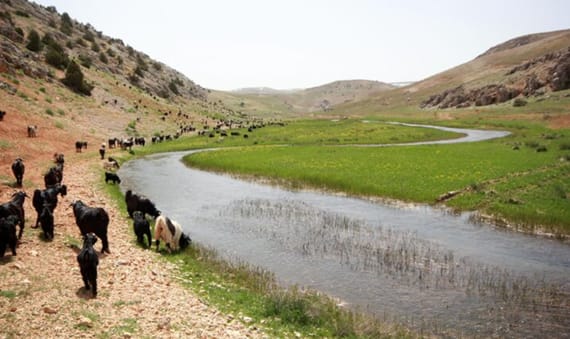
Great Migration River Crossings (July–September Peak)
The spectacle: Between July and October, 1.5–2 million wildebeest, 300,000+ zebras, and countless gazelles move across Serengeti plains in relentless pursuit of fresh grasses. This cyclical movement—occurring for millions of years—remains one of Earth’s most dramatic natural events.
River crossing drama: Narrow river valleys force massive herds to concentrate and cross. Crocodiles (some 4+ meters long) and lions wait below river banks. Predator-prey interactions reach maximum intensity. Wildebeest deaths from drowning, predation, and crushing create life-and-death scenes.
Optimal timing:
- July–August: Highest crossing probability and predator activity
- September–October: Continued crossings, prices begin declining, fewer tourists
Best locations:
- Grumeti River (July–August): Northern Serengeti crossing point
- Mara River (August–September): Alternative crossing location
Key Tanzania activity: Witnessing multiple daily crossings, predator hunts, dramatic moments, photography opportunities beyond typical safari experiences.
Not guaranteed: Weather, water levels, and animal behavior affect crossing timing. Seeing actual crossings possible but not certain. Quality wildlife viewing guaranteed; crossing encounters highly probable but not 100%.
Best for: Migration enthusiasts, photographers, first-time safari visitors, those seeking wildlife drama.
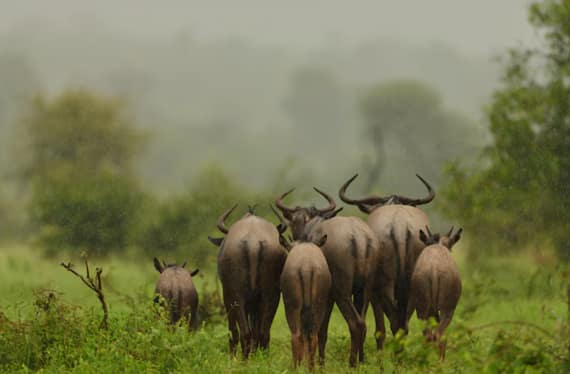
Big Five Viewing (June–October General)
Highest concentration: Dry season brings highest wildlife density. Animals concentrate at remaining water sources. Predators remain visible and active.
Visibility advantage: Short grass means easier animal spotting (vs. tall green-season grass concealing wildlife).
Favorite Tanzania activity: watching lions hunt during daylight hours (dry season food stress). Cheetahs visible. Leopards active at dawn/dusk. Wild dogs hunt regularly.
Lion encounters: Guaranteed in Serengeti, Ngorongoro, Lake Manyara. Pride sightings with cubs common.
Elephant herds: Visible at water sources daily.
Rhino encounters: Ngorongoro offers best black rhino viewing (concentrated in crater).
Cape buffalo: Large herds visible, often massive aggregations.
Cheetah sightings: Frequent in Serengeti plains (predator species most easily spotted).
- Serengeti: Highest wildlife density, migration
- Ngorongoro: Black rhino concentration, unique ecosystem
- Tarangire: Elephant herds (300+), baobabs
- Lake Manyara: Tree-climbing lions, flamingos
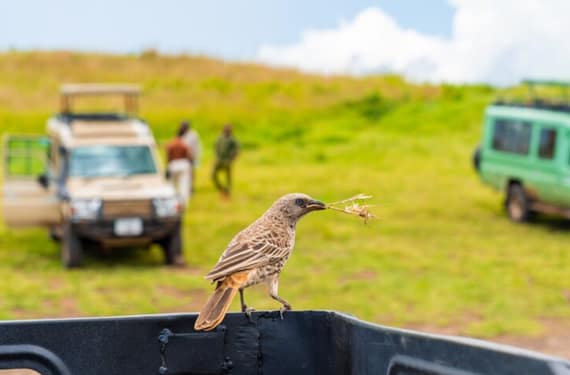
Bird Watching: A Quiet Tanzania Activity (June–September)
Species diversity: Over 400 species at Lake Manyara, 550+ at Tarangire, hundreds throughout parks.
Migratory arrivals: European breeding birds arrive June–July (Palearctic migrants creating diversity peak).
Activity timing: Early morning game drives catch most bird activity.
Special equipment: Binoculars, bird identification guide, patient guides essential.
Best for: Ornithologists, bird enthusiasts, photographers, patient observers.
Photography as a Major Tanzania Activity
Light quality: Early morning and late afternoon (golden hours) provide exceptional light for wildlife photography.
Crisp visibility: Clear air, short grass, dramatic shadows create photographic perfection.
Multiple game drives daily: 2–3 daily drives maximize photo opportunities.
Special options: Hot air balloon safari sunrise flights ($400–$600) offer unique aerial perspective.
Best for: Serious photographers, sunset enthusiasts, those prioritizing visual documentation.
Find out where you are most likely to see the Big Five in the 5 Best National Parks in Tanzania: The Ultimate Guide.
Popular Zanzibar Activities & Beach Experiences
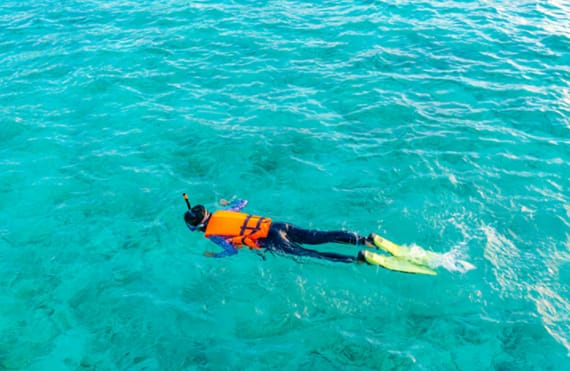
Snorkeling & Diving
Visibility: 15–25 meters typical in dry season (exceptional clarity).
Water temperature: 25–27°C (77–81°F), warm for year-round comfortable swimming.
Reef activity: Coral reefs active, fish abundant, sea turtles frequently visible.
Best snorkel sites:
- Mnemba Atoll: Pristine coral, clear water, minimal crowds
- Prison Island: Historical site plus marine life
Diving opportunities: Multiple diving operators, various skill levels accommodated, excellent marine ecosystems.
Best for: Snorkelers and those seeking a water-based Zanzibar activity, those combining safari with ocean activities.
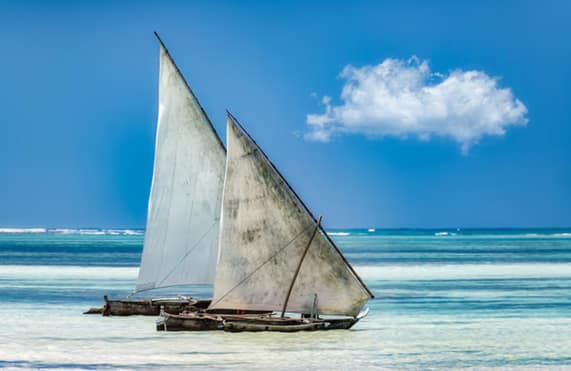
Dhow Sailing & Cruises
Sea conditions: Calm to moderate, ideal for traditional sailing experiences.
Traditional ngalawa canoe: Sunset cruises using traditional sailing methods, cultural experience combined with maritime adventure.
Day sailing tours: Explore islands, snorkel locations, coastal villages.
Experience quality: Dhow sailing is a classic Zanzibar activity with reliable conditions in the dry season.
Best for: Romantics, culturally-interested travelers, those seeking peaceful boat time.

Cultural Zanzibar Activity Options: History & Spices
Stone Town walks: Guided tours through UNESCO heritage site, 19th-century architecture, historical context.
Spice farm tours: Active farming operations, learning opportunity, taste experiences.
Jozani Forest: Red colobus monkeys, mangrove walks, ecosystem education (weather permitting).
Weather advantage: Dry season allows outdoor activities without afternoon rain interruptions.
Best for: Culture enthusiasts, history buffs, those interested in local communities.
To understand the cultural significance of this destination, see the Zanzibar Island Guide: From Stone Town Culture to Beach Relaxation.
Accommodation & Costs (High Season Impact)
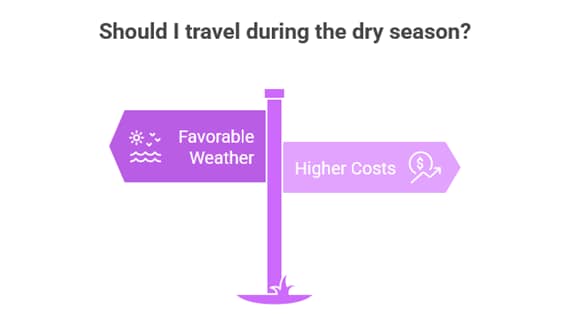
Peak season pricing: June–September command highest prices. July–August represent absolute peak.
Availability pressure: Popular camps book 2–3 months in advance. Last-minute availability rare.
Cost example:
- Budget: $150–$250/person/day
- Mid-range: $400–$800/person/day
- Luxury: $1,500–$3,000+/person/day
Why high costs?: Operator demand high, wildlife probability guaranteed, logistics demanding, investor premium.
Book in advance: Early planners secure preferred properties. Last-minute travelers face limited options and higher prices.
Why Choose Dry Season?
- Best wildlife viewing probability
- Comfortable, sunny weather
- Great Migration spectacle (July–August)
- Clear photography conditions
- Established activity infrastructure
- Most reliable itineraries
Why NOT Dry Season?
- Highest prices (peak season premium)
- Crowded safari areas (multiple vehicles watching same animals)
- Hot midday temperatures (afternoon activity minimized)
- Fewer migratory birds
- Booking pressure (must plan well in advance)
Whether you have a week or two, find the right flow in the Best Tanzania Itinerary Options: 7, 10, & 14 Day Plans.
November–March Green/Warm Season (Budget & Lush Adventure)
The green season offers a dramatically different experience: lush landscapes, lower costs, wildlife still abundant, calving season drama, and whale sharks at Mafia Island.
Overall Weather & Conditions
November–December (rainy subseason):
- Short afternoon rains (typically 1–2 hours)
- Morning usually sunny and clear
- Temperature: 22–28°C (72–82°F)
- Landscape transforms green after rains
January–March (dry within green season):
- Minimal rainfall, increasingly dry
- Warmer, occasional afternoon showers
- Temperature: 25–30°C (77–86°F)
- Gradual green-to-golden landscape transition
Overall: Warm, manageable rainfall, beautiful scenery, comfortable for most travelers.
Green Season Tanzania Activity Highlights
Calving Season (February–March Peak)
The drama: February–March sees highest birth rates among ungulates (wildebeest, zebras). Newborn vulnerability creates predator feeding frenzy.
Predator dynamics: Lions, cheetahs, wild dogs concentrate on calving areas hunting vulnerable newborns. Predator-prey encounters reach peak intensity.
Wildlife concentration: Animals remain concentrated at water sources (dry season pattern continuing as rains decrease by late February).
Visual spectacle: Unlike migration crossing drama, calving season offers different predator encounters—pure hunting dynamics with newborn mortality.
Best parks: Serengeti, Ngorongoro both excellent for calving season.
Best for: Those seeking dramatic predator encounters, wildlife biology enthusiasts, photographers wanting different perspective.
Bird Watching (January–March)
Overwintering species: Palearctic migrants depart (June onward), but some remain through February. Resident species year-round present.
Less dramatic than June–August (when migratory influx peaks), but still good diversity.
Green landscape: Lush vegetation supports nesting birds, seasonal species.
More peaceful: Fewer tourists, more patient observation possible.
Best for: Bird enthusiasts preferring solitude, photographers wanting composition time.
Wildlife Still Visible
Big Five encounters: Reliable, not guaranteed but probable.
No migration spectacle: Animals dispersed, not concentrated in massive herds.
Different experience: Intimate, less crowded, peaceful safari feel.
Photography challenge: Taller grass (pre-dry season) makes spotting more difficult, requires patience.
Best for: Experienced safari travelers, those seeking quieter experiences, photographers valuing composition over quantity.
Find the most scenic or fastest route to the island in Best Transport to Zanzibar: Flight vs Ferry & Logistics in 2025-2026.
Marine & Zanzibar Activities (Green Season)
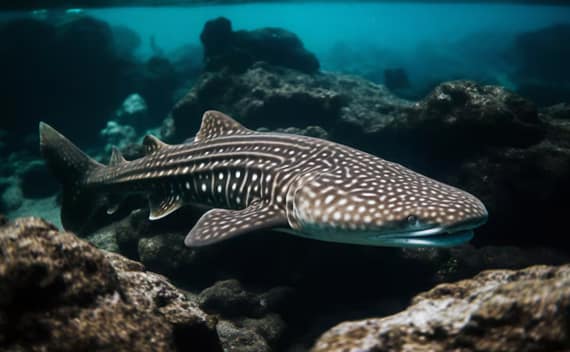
Whale Shark Swimming (November–March Season Peak)
The aggregation: 20–40 whale sharks congregate in Chole Bay (Mafia Island) between November and March. These gentle giants—the world’s largest fish—allow snorkeling alongside them.
Seasonal mechanics: Whale sharks follow plankton blooms; upwelling during this season attracts them to Mafia.
Best months: November–February offer 70–80% encounter probability with good weather.
Experience: Snorkel alongside whale sharks in controlled, sustainable encounters. Boats follow strict protocols: no touching, no chasing, maintain respectful distances.
Authentic marine adventure: A truly unique Tanzania activity available only in this season, once-in-lifetime for many travelers.
No guarantee: Weather, water temperature, and plankton affect presence. Consider “likely” rather than “guaranteed.”
Best for: Marine enthusiasts, bucket-list seekers, ocean lovers.
Diving & Snorkeling
Visibility: 15–20 meters (slightly less than dry season but still excellent).
Water temperature: 24–27°C (75–81°F), warm and comfortable.
Reef conditions: Marine life abundant, productive diving season.
Fewer divers: Green season attracts fewer marine tourists, meaning less crowded diving.
Cost savings: Dive packages cheaper than dry season.
Best for: Divers seeking less-crowded conditions, budget-conscious water enthusiasts.
Beach Relaxation
Water conditions: Warm, generally pleasant despite occasional afternoon rains.
Rainfall reality: Afternoon showers brief (1–2 hours typical), not all-day rain.
Beach impact: Rains often provide break from sun, atmospheric beach ambiance.
Crowding: Dramatically fewer tourists means peaceful beaches, more local interaction.
Relaxation focus: Less tourism infrastructure means authentic beach village atmosphere.
Best for: Those seeking peace, couples wanting quiet escape, budget travelers.
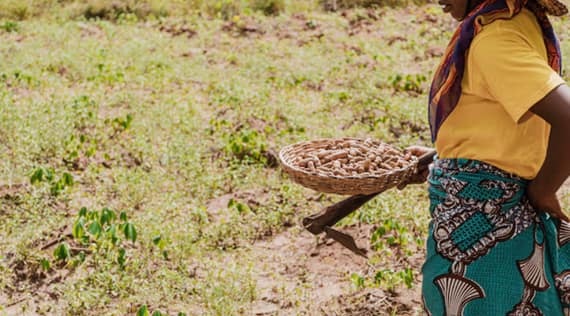
Cultural Tanzania Activities on Land
Spice Farm Tours
Harvest timing: Clove harvest season (September–October), but year-round tours available.
Green season advantage: Lush vegetation provides better learning context.
Active cultivation: Farms actively maintained; learning opportunities exist year-round.
Tours unchanged: Spice tours operate identically regardless of season (same tour companies, same routes).
Best for: Those interested in agricultural heritage, cultural learning.
Forest Activities
Jozani Forest lush: Green season creates vibrant forest ecosystem.
Monkey visibility: Red colobus monkeys more visible in lush canopy.
Bird watching: Diverse bird species, canopy activity.
Hiking conditions: Good (no midday heat stress of dry season).
Best for: Nature enthusiasts, photographers, bird watchers.
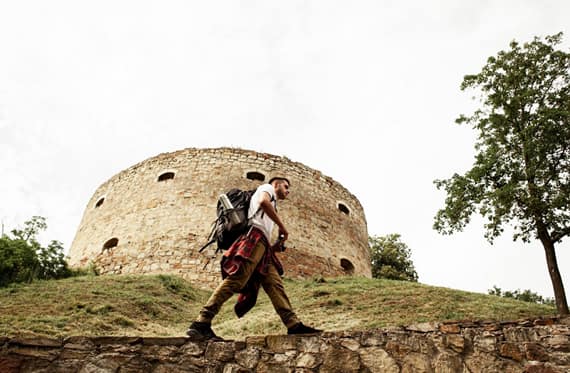
Stone Town Walking Tours
Weather advantage: Warm but occasional rain. Indoor alternatives (museums, shops) accommodate weather.
Crowd advantage: Fewer tourists mean quieter Stone Town exploration, better photo opportunities.
Cultural sites: Accessible year-round.
Best for: Culture enthusiasts, history buffs, those preferring autonomous exploration.
Accommodation & Costs (Budget Advantage)
Green season pricing:
- Budget lodges: 20–40% cheaper than dry season
- Mid-range: 25–35% cheaper
- Luxury: Still expensive but promotional discounts common
Availability: Last-minute bookings possible. Flexibility more achievable than dry season.
Better negotiation: Direct lodge negotiation yields better rates in green season.
Example costs:
- Budget: $50–$100/person/day
- Mid-range: $250–$500/person/day
- Luxury: $800–$1,500/person/day
Why lower?: Lower demand, promotional competition, capacity pressure (lodges want bookings).
Why Choose Green Season?
- Dramatically lower prices (30–40% savings vs. dry season)
- Lush, vibrant landscapes (photography variety)
- Calving season wildlife drama (predator-prey encounters)
- Whale shark season (Mafia Island Nov–March)
- Fewer tourists (peaceful experiences)
- Green scenery, abundant vegetation
- Special focus on unique seasonal phenomena
Why NOT Green Season?
- Afternoon rains (usually brief but interrupting)
- Animals more dispersed (harder spotting vs. dry season)
- Fewer migratory birds (vs. June–August peak)
- Some roads muddy (minor impact on modern safaris)
- Less predictable wildlife encounters (vs. dry season certainty)
Save time researching properties by reading the Best Tanzania Lodges & Zanzibar Hotels: Luxury to Budget Guide 2025-2026.
April–May Short Rains (Generally Avoid)
Why Avoid This Period
Unpredictable weather: Scattered, heavy rainfall common. Roads muddy (slow travel).
Wildlife dispersed: Animals spread across landscape (widespread water availability). Viewing more difficult.
Operator availability: Fewer tour operators active. Limited infrastructure.
Cost: Not dramatically cheaper than green season (little discount incentive).
Activity disruption: Rain interrupts game drives, beach time, cultural tours.
Recommendation: Unless adventure traveler with extreme flexibility, consider avoiding April–May. June–October or November–March offer superior experiences.
Seasonal Tanzania Activities Planning Matrix
| Season | Safari Quality | Beach/Marine | Cultural | Cost | Crowds | Best For |
| June–Oct | Excellent | Good | Good | High $$$ | High | Migration, photography, first-timers |
| Nov–Mar | Good | Excellent (whales) | Good | Low $ | Low | Budget, whale sharks, calving, peace |
| Apr–May | Poor | Fair | Fair | Low $ | Very Low | Adventure seekers only |
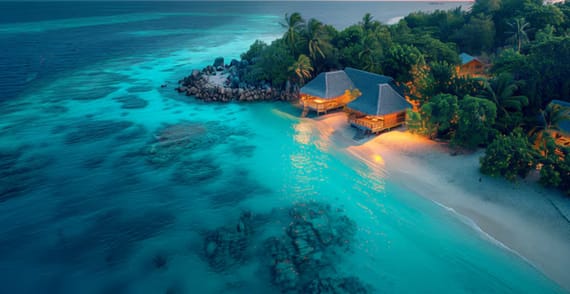
Multi-Season Itinerary Planning
Ideal Approach (Not Feasible for Most)
Visit June–October for safari + migration, then return November–March for beach and whale sharks. Two separate trips capture best of all seasons.
Single 10-Day Trip Timing
July–August Option (Migration Focus)
- Ideal for: Those prioritizing Great Migration
- Expected cost: Highest ($6,500–$9,000 per person)
- Expected crowds: Highest
- Wildlife drama: Exceptional (river crossings, predator activity)
- Best for: First-timers, migration enthusiasts, photographers
September–October Option (Migration Tail + Budget)
- Ideal for: Those wanting migration without peak-season chaos/cost
- Expected cost: Moderate ($5,500–$7,500 per person)
- Expected crowds: Moderate
- Migration probability: Still good (90%+ chance of crossings)
- Shoulder season advantage: Best value-for-experience ratio
- Best for: Experienced travelers, budget-conscious, those seeking balance
February–March Option (Calving + Budget)
- Ideal for: Those seeking different wildlife dynamics, budget travelers
- Expected cost: Lower ($4,500–$7,000 per person)
- Expected crowds: Lowest
- Wildlife drama: Different (predator-newborn dynamics vs. crossing)
- Green season lushness: Beautiful landscapes, fresh vegetation
- Whale shark option: Possible Mafia Island extension
- Best for: Budget-conscious, those seeking alternative wildlife, couples preferring peace
Multi-Season Strategy (If Time/Budget Allow)
June–October trip: Safari focus (2–3 weeks, July–August peak migration)
November–March trip: Beach/whale shark focus (1–2 weeks, December–January)
Captures best of all seasons across multiple visits.
Weather Packing Guide by Season
Dry Season (June–October)
- Lightweight, breathable clothing (quick-dry fabrics)
- Jacket/sweater (cool evenings 10–15°C)
- Sun protection: Hat, sunglasses, SPF 50+ sunscreen
- Closed-toe hiking boots (thorns, rocky terrain)
- Long sleeves/pants (mosquitoes, sun protection)
- Minimal rain gear (unlikely needed)
Green Season (November–May)
- Rain jacket or poncho (afternoon showers)
- Quick-dry clothing (fast-drying after rain)
- Waterproof bag (camera protection)
- Same sun protection (sun exists between showers)
- Hiking boots (wet ground)
- Multiple dry shirt options (in-day changes if rained on)
Year-Round Essentials
- Binoculars (wildlife viewing essential)
- Camera equipment (backup batteries, memory cards)
- Medications: Prescribed medications, over-the-counter remedies
- Malaria prophylaxis (doctor-recommended)
- Insect repellent (mosquito defense)
- First-aid basics (blister treatment, pain relief)
- Toiletries (limited resort availability, bring favorites)
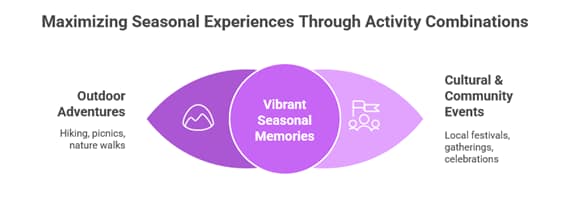
Recommended Tanzania Activity Combinations by Season
Recommended June–October Plan
Days 1–7: Serengeti Northern Circuit (migration focus, July–August peak)
- Multiple game drives daily
- River crossing observation (July–August July prime time)
- Photography opportunities
- Bush dinners, wildlife immersion
Days 8–10: Zanzibar beach finale
- Snorkeling and diving (excellent visibility)
- Stone Town cultural tour
- Spice farm visit
- Beach relaxation post-safari
Rationale: Optimal for migration, excellent beach conditions, proven itinerary.
Recommended November–March Plan
Days 1–2: Zanzibar culture/island intro
- Stone Town UNESCO tour
- Spice farms
- Jozani Forest red colobus monkeys
Days 3–7: Serengeti/Ngorongoro calving focus
- Predator-prey encounters
- Calving season drama (Feb–March)
- Green landscapes, lush photography
- Quieter safari experience, fewer tourists
Days 8–10: Zanzibar beach + optional Mafia whale sharks
- Snorkeling and diving
- Peaceful beach relaxation
- Optional Mafia Island whale shark extension (Nov–Feb specifically)
- Budget advantages throughout
Rationale: Balanced experience, budget-friendly, diverse activities, peaceful crowds.
We break down everything you need to know about this popular route in The Complete Guide to Combining Tanzania Safari with Zanzibar Beach Holiday in 2026.
Special Seasonal Considerations
Malaria Risk by Season
Higher risk: Green season (November–May) due to standing water, mosquito breeding Lower risk: Dry season (June–October)
Year-round reality: Malaria risk exists both seasons, though varies.
Prevention: Malaria prophylaxis recommended year-round regardless of season.
Insect repellent: Essential daily, especially dawn/dusk.
Road Conditions by Season
Dry season: All roads passable, excellent accessibility Green season: Some roads muddy but passable, modern vehicle management minimizes issues Impact: Minimal on established safari tours
Flight Delays by Season
Dry season: Excellent visibility, rare delays Green season: Occasional afternoon delays (rare but possible), weather-related Contingency: Travel insurance covers flight delays
FAQ
1. Is the dry season the only good time for Tanzania activities?
No. Dry season offers peak wildlife viewing and migration (July–August), but green season offers distinct advantages: lower costs, lush landscapes, calving season drama, whale sharks, peaceful experiences. Both seasons deliver excellent African experiences; choice depends on priorities.
2. What’s so special about the Great Migration?
The migration represents one of Earth’s most dramatic natural events: 1.5–2 million wildebeest, zebras, and gazelles undertake a cyclical movement following ancient patterns. River crossings create predator-prey intensity rarely seen elsewhere. Migration captures wildlife drama in concentrated form. It’s not required for excellent safari experience but is iconic.
3. Can I see wildlife in the green season?
Absolutely. Wildlife present year-round. Green season offers reliable Big Five viewing, different predator dynamics (calving season hunters), bird watching, and peaceful safari experiences. Animals more dispersed than dry season but still visible. Viewing quality differs by season, not by presence/absence.
4. Are whale sharks guaranteed at Mafia Island?
No guarantees in nature. December–February offer 70–80% encounter probability. Weather, water temperature, and plankton blooms affect shark presence. Encounters also luck-dependent (even with sharks present, sighting not guaranteed). Consider visits “likely to encounter” but remain open to other marine experiences if sharks absent.
5. What’s the cheapest time to visit?
Green season (November–May), particularly January–March, offers lowest prices: 30–40% cheaper than dry season. April–May theoretically cheap but offers poor experiences. February–March represents optimal value: lower costs, good weather, calving season drama, fewer tourists.
Ready to Plan Your Perfect Season?
Your chosen season dramatically shapes which Tanzania activities are available to you. Understanding seasonal dynamics allows strategic planning to maximize your specific travel dates.
Zamani Voyage experts match your priorities to optimal seasons, recommend best timing, customize itineraries accordingly.
👉 Book a consultation call — We’ll analyze your preferences, recommend perfect timing, create season-optimized itinerary, ensure maximum experience.


