

Why “Tanzania Safari Bush and Zanzibar Beach Holiday” Transforms Your African Adventure
Imagine starting your morning watching lions hunt across the golden Serengeti plains, then ending your day snorkeling among vibrant coral reefs in crystal-clear Indian Ocean waters. This isn’t fantasy—it’s the reality of combining a Tanzania safari with a Zanzibar beach holiday, an experience that has become the gold standard for East African travel.
Over 75% of visitors to Tanzania choose this dual-destination approach, and for good reason. The magic lies in its versatility: you get world-class wildlife immersion, cultural richness, tropical relaxation, and adventure—all in a single journey.
Whether you’re a Swiss traveler planning your dream anniversary escape, a family seeking diverse experiences, or a first-time Africa visitor wanting the complete East African introduction, this combination has become increasingly popular because it eliminates the classic travel dilemma: choosing between adventure and relaxation.
Zamani Voyage specializes in curating these exact Tanzania safari and Zanzibar beach experiences for Swiss and European traveler, removing the stress of DIY planning while guaranteeing quality, safety, and authentic encounters. This guide walks you through everything you need to know: which parks to visit, when to travel, how to get between destinations, where to stay, and what activities make this combination truly transformative.
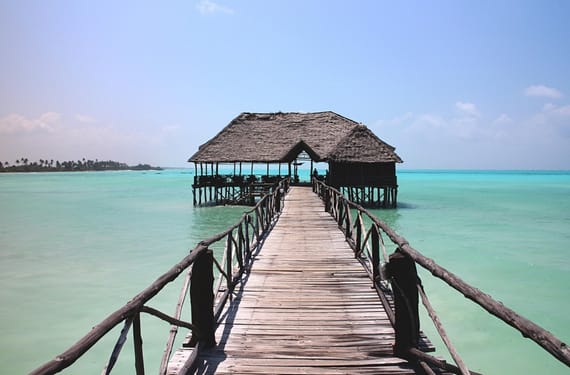
Why Combine Tanzania Safari and Zanzibar Beach? (The Case for Bush & Beach)
The Power of Contrast
Tanzania’s 40% of land dedicated to national parks and game reserves makes it one of the world’s premier safari destinations. When paired with Zanzibar’s pristine beaches, UNESCO World Heritage Site Stone Town, and rich Swahili culture, you gain both adventure and cultural immersion in a single journey.
The appeal isn’t just the variety—it’s the psychological refresh. After 4–5 intensive safari days tracking wildlife, your mind and body crave rest. Zanzibar provides exactly that: warm Indian Ocean waters, soft sand, minimal schedules, and time to reflect on your safari experiences.
Who’s This Perfect For?
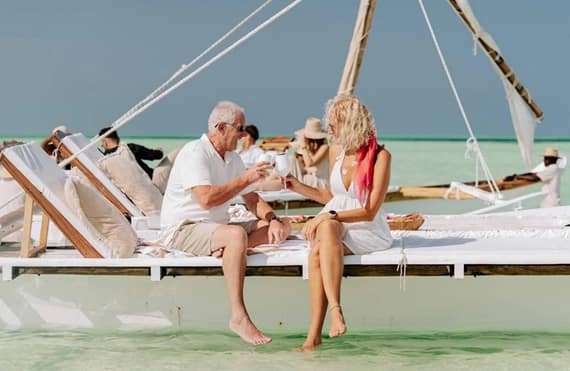
Couples seeking romantic adventure: Combine exhilarating morning game drives with sunset dhow cruises, bush dinners under African stars, and intimate beach moments. Many honeymooners prioritize this exact combination, often adding a private island stay (Mnemba Island) as their finale.
Families with diverse interests: Children engaged by wildlife viewing get equally excited about snorkeling and beach exploration. Parents appreciate the educational component (natural history, ecology, conservation) plus the relaxation.
First-time Africa visitors: This Tanzania safari and Zanzibar beach pairing provides a comprehensive introduction. You experience Africa’s famous wildlife without requiring previous safari experience, plus cultural encounters that deepen your understanding of the region. It’s the ideal “African gateway” journey.
Travelers with 10–14 days available: The combination utilizes time efficiently. You’re not spending travel days unnecessarily; both components justify the long flight from Europe (typically from Zurich).
The Numbers That Matter
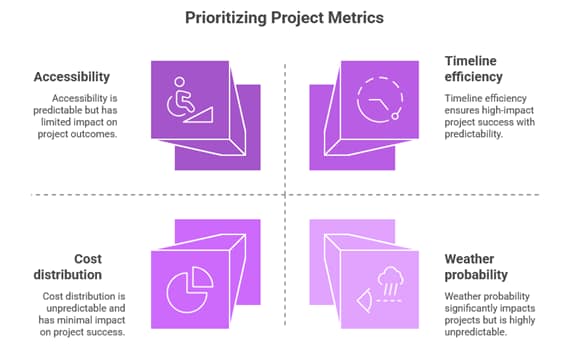
- Timeline efficiency: 5–7 safari days + 3–5 beach days = maximum experience in 10–14 days
- Cost distribution: Safari costs ($150–$300/day) + beach costs ($50–$200/day) balance out favorably
- Weather probability: June–October dry season offers excellent conditions for both wildlife viewing and beach activities
- Accessibility: Direct flights from Zurich to Kilimanjaro, then simple connections to safari regions and Zanzibar
Understanding Tanzania’s Premier Safari Destinations
Tanzania offers multiple safari options for your Tanzania safari and Zanzibar beach itinerary, each providing distinct experiences. Choosing the right park depends on your available time, interests, and travel style.
The Serengeti: Great Migration & Big Five
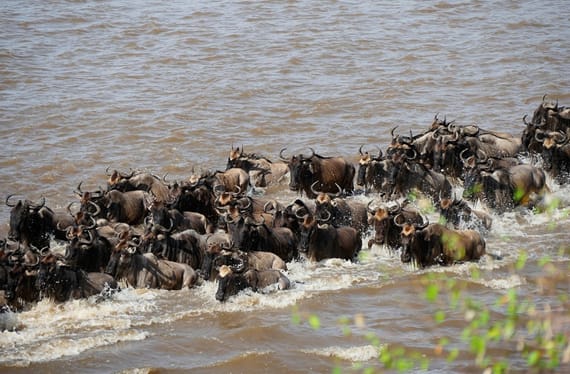
The Serengeti remains the crown jewel of African safaris. This UNESCO World Heritage Site covers 30,000 square kilometers and hosts one of Earth’s most spectacular wildlife phenomena: the Great Migration.
What makes it iconic: Between July and October, 1.5 to 2 million wildebeest, alongside 300,000+ zebras and countless gazelles, traverse the Serengeti plains in search of fresh grasses. River crossings—particularly the Grumeti and Mara rivers—create dramatic predator-prey interactions as crocodiles and lions wait below steep banks. These crossings, concentrated in July and August, attract photographers and wildlife enthusiasts worldwide.
Beyond migration: Year-round, the Serengeti guarantees sightings of the Big Five (lions, elephants, buffaloes, leopards, and rhinoceros) plus cheetahs, wild dogs, and hyenas. Wildlife density is highest during dry season (June–October).
Best for: First-time safari visitors, migration enthusiasts, photographers, families wanting the quintessential safari experience.
If you are overwhelmed by the choices, we simplify them in 5 Best National Parks in Tanzania: The Ultimate Guide.
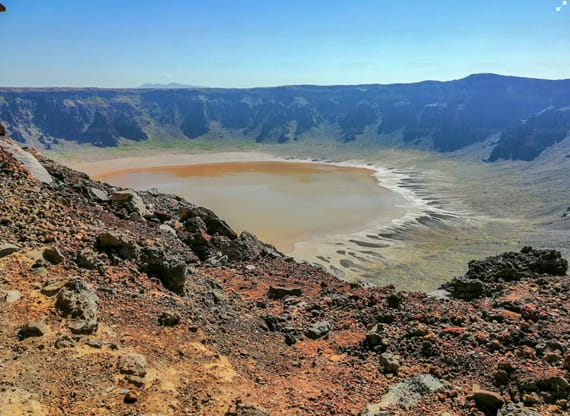
Ngorongoro Crater: Volcanic Drama & Black Rhinos
The Ngorongoro Crater is a natural wonder and a UNESCO World Heritage Site unlike any other. This massive volcanic caldera—the world’s largest unflooded caldera—drops approximately 600 meters to its floor and encompasses 26,400 square kilometers.
What makes it unique: The crater’s enclosed ecosystem concentrates wildlife in remarkable density. An estimated 25,000 large animals inhabit the crater floor at any given time, including the highest concentration of black rhinos in Tanzania. This makes Ngorongoro your best chance to see this endangered species.
Time efficiency: The crater is ideal for travelers with limited time. You can experience world-class wildlife viewing in 2–3 days, making it perfect for those combining it with beach time or other parks.
Viewing experience: The crater’s rim lodges offer stunning sunrise views, and descending to the crater floor feels like entering a prehistoric world. The landscape changes dramatically from Rift Valley Escarpment to grassland, forest, and soda lake environments.
Best for: Time-constrained travelers, black rhino enthusiasts, photographers seeking dramatic landscapes, visitors wanting “concentrated” wildlife viewing.
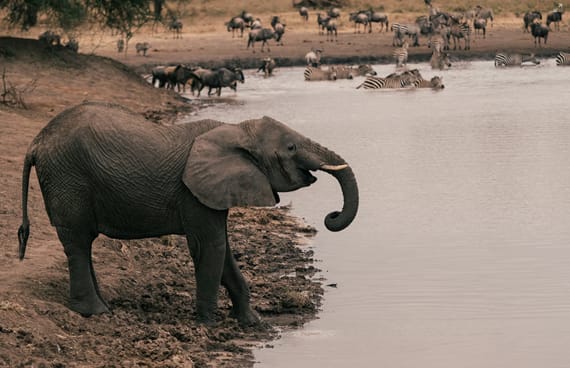
Tarangire National Park: Elephant Herds & Baobab Landscapes
Tarangire often gets overlooked, which actually makes it special: fewer visitors mean more intimate, less-crowded wildlife encounters.
What makes it distinctive: During the dry season (June–October), Tarangire attracts over 300 elephant herds—the largest seasonal elephant concentration outside Serengeti. The park’s landscape features distinctive massive baobab trees, creating a landscape unlike other Tanzanian parks.
Biodiversity: Tarangire is a bird watcher’s paradise, hosting over 550 bird species, including both residents and seasonal migrants. This makes it particularly attractive to ornithologists and serious photographers.
Quieter experience: Tarangire receives a fraction of Serengeti’s visitors, allowing for peaceful game drives and intimate animal encounters.
Best for: Bird watchers, photographers seeking unique landscapes, travelers preferring quieter safari experiences, budget-conscious visitors.
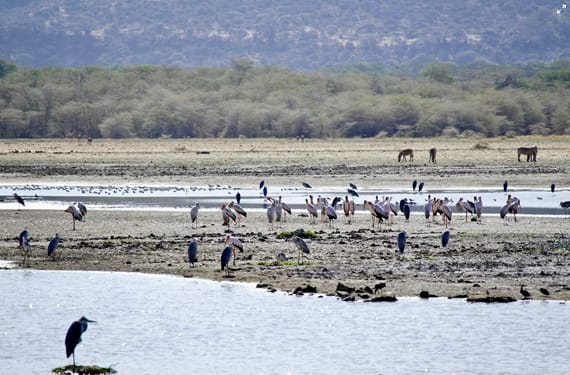
Lake Manyara National Park: Tree-Climbing Lions & Avian Abundance
Lake Manyara is compact but extraordinarily biodiverse. The park stretches along the Rift Valley Escarpment, offering dramatic landscapes and exceptional wildlife viewing opportunities.
What makes it special: Tree-climbing lions are Lake Manyara’s most famous residents. These lions exhibit unusual behavior—resting in acacia trees during the day to escape heat and insects. This unique behavior makes photographing and observing them particularly rewarding.
Bird watching: Over 400 bird species frequent Lake Manyara, more than any other Tanzanian park. Flamingo populations, which color the lake pink during certain seasons, create stunning photographic opportunities.
Rift Valley views: The escarpment creates dramatic backdrops, and the park’s landscape diversity—from forest to lakeside—provides varied scenery throughout your visit.
Best for: Ornithologists, wildlife photographers, travelers seeking diverse landscapes, romantic couples (stunning sunset views).
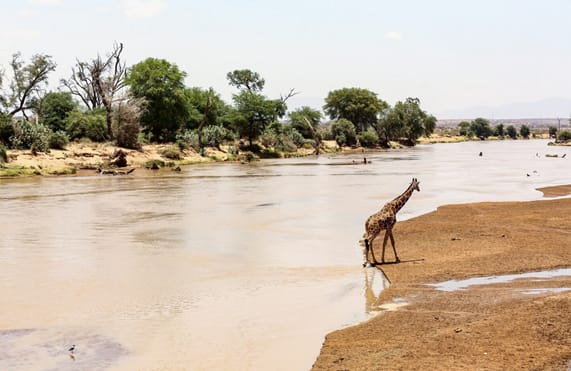
Southern Circuit Parks: Nyerere & Ruaha
For adventurous travelers with 5+ days available, southern parks offer experiences unavailable in the north.
Key advantages: Walking safaris (not just vehicle safaris), boat safaris on pristine rivers, and dramatically lower visitor numbers mean you may have entire game drive areas to yourself. Wildlife density is excellent, and predator encounters are common.
Best for: Adventure seekers, walking enthusiasts, travelers seeking true wilderness experiences.
If you are struggling to structure your time, look at our Best Tanzania Itinerary Options: 7, 10, & 14 Day Plans.
Zanzibar Beach & Islands Experiences
The second half of your Tanzania safari and Zanzibar beach adventure brings you to an archipelago of islands, each offering distinct experiences. Your choice depends on your travel style and priorities.
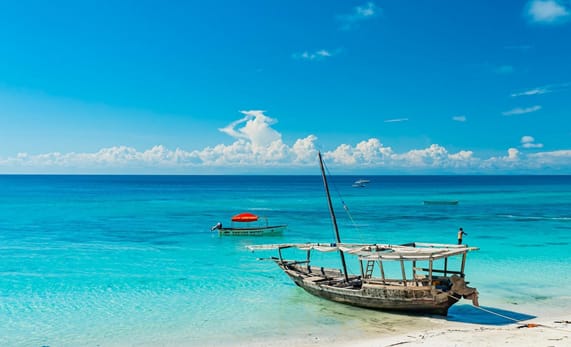
Zanzibar Island (Unguja): The Hub – Culture, Activity & Beaches
Zanzibar Island (officially called Unguja) is the main island and tourism hub, perfect for travelers wanting culture, activity, and beaches in one location.
Stone Town: The historical heart of Zanzibar, Stone Town is a UNESCO World Heritage Site featuring 19th-century Arab, Indian, and Persian architecture. Narrow cobbled streets, spice markets, and heritage buildings create an immersive cultural experience. The famous slave market, now a museum and memorial, provides sobering historical context.
Spice Farms: Zanzibar’s spice farms produce cloves, nutmeg, and cinnamon. Half-day farm tours with local guides let you experience plantation life, taste fresh spices, and understand the island’s agricultural heritage.
Jozani Forest: This protected forest is home to Kirk’s red colobus monkeys, an endangered species found nowhere else. Guided forest walks reveal mangrove ecosystems and forest biodiversity. The experience is educational, conservation-focused, and family-friendly.
Beaches: Nungwi (north) offers calm, family-friendly waters and vibrant beach bars. Kendwa (northwest) provides a quieter alternative with authentic sunset dhow sailing. Paje (east) features a long shallow beach perfect for kite surfing and photography. Each beach has distinct character and accommodation options.
Best for: Travelers wanting comprehensive island experience combining culture, activity, and beach relaxation.
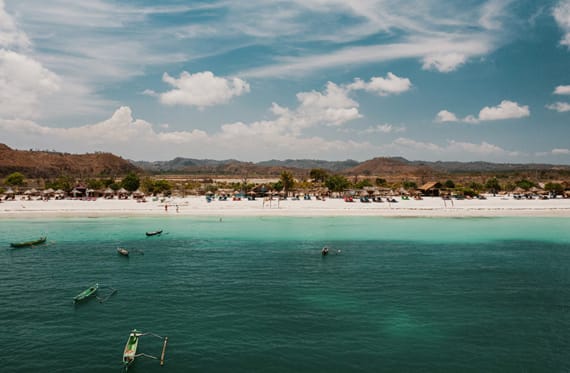
Pemba Island: Quiet Escape for Divers & Nature Lovers
Located 48 kilometers north of Zanzibar Island, Pemba attracts visitors seeking a quieter, more authentic experience away from Zanzibar’s tourism infrastructure.
The appeal: Pemba has dramatically fewer tourists (roughly 1/10 of Zanzibar), lush forests, mangrove swamps, and practically deserted beaches. The island maintains strong agricultural heritage—80% of the world’s cloves are produced in the Zanzibar Archipelago, with significant production on Pemba.
Diving & marine activities: Pemba is famous for dramatic drop-off wall dives where the reef suddenly plunges into deep ocean. Visibility often reaches 20–40 meters in dry season. Traditional ngalawa canoe sunset cruises offer cultural immersion.
Accommodation: Fewer luxury options than Zanzibar, but boutique eco-lodges provide unique experiences. Manta Resort features an underwater observation room—a truly unique accommodation feature.
Best for: Divers, nature lovers, travelers seeking “get away from it all” experiences, those preferring quieter islands.
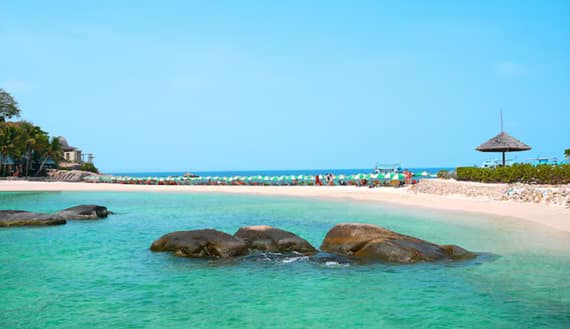
Mnemba Island: Ultra-Luxury Private Island Escape
Mnemba Island, just off Zanzibar’s northeast coast, represents the ultimate in exclusive beach luxury.
The experience: Only one property operates on this private island: an &Beyond resort. Maximum 20 guests ensure intimate, exclusive experiences. Spiral-designed palm-frond bandas with personal butler service redefine luxury beach hospitality.
Activities: Pristine coral reefs directly accessible from your beach. Green turtle conservation program lets guests participate in meaningful ecological work. Exclusive snorkeling and diving in some of the Indian Ocean’s clearest waters.
Access: Just 15 minutes by private boat from Zanzibar’s northeast coast, combining accessibility with complete exclusivity.
Best for: Honeymooners, luxury-focused travelers, those celebrating special occasions, couples seeking ultimate romance and privacy.
Mafia Island: Whale Shark Swimming & Marine Adventure
While not officially part of Zanzibar Archipelago, Mafia Island (50 kilometers south) is easily accessible and famous for one extraordinary experience.
The attraction: Between November and March, 20–40 whale sharks aggregate in Chole Bay. These gentle giants—the world’s largest fish—allow snorkeling alongside them in sustainable, controlled encounters.
Beyond whale sharks: Mafia offers coral reef diving, traditional fishing village culture, and sea turtle nesting sites. The island provides an off-the-beaten-path marine adventure.
Best for: Marine enthusiasts, whale shark bucket-list seekers, divers, adventurous travelers.
For insights into the island’s rich history and stunning coasts, read our Zanzibar Island Guide: From Stone Town Culture to Beach Relaxation.
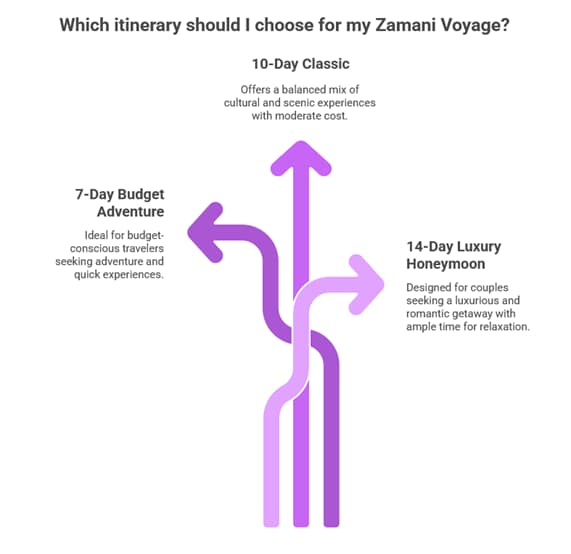
Planning Your Tanzania Safari with Zanzibar Beach Holiday Itinerary: Time & Priorities
Your available time fundamentally shapes your itinerary structure. Three primary frameworks address different schedule constraints:
7-Day Budget Adventure
Perfect for travelers with limited vacation time or tight budgets.
Structure: 2–3 days Tarangire/Ngorongoro + 4 days Zanzibar
Experience: Focused wildlife viewing (primarily elephant and black rhino) plus substantial beach time. Migration viewing not typical; budget-friendly costs.
Cost estimate: $3,300–$4,300 per person all-inclusive
Best for: Budget-conscious travelers, first-timers, those maximizing beach time.
10-Day Classic
The ideal balance for a complete Tanzania safari and Zanzibar beach tour: comprehensive northern circuit plus meaningful beach relaxation.
Structure: 5–6 safari days (Tarangire, Lake Manyara, Serengeti, possible Ngorongoro) + 4–5 Zanzibar days
Experience: Northern circuit coverage with excellent wildlife probability, plus varied beach activities. If timing (July–October) aligns, possible Great Migration viewing.
Cost estimate: $6,200–$9,250 per person all-inclusive
Best for: Balanced travelers, families, those wanting variety without overwhelming schedule.
14-Day Luxury Honeymoon
Extended immersion allowing no time pressure, multiple nights per location, and premium accommodations.
Structure: 2–3 nights each major park (Tarangire, Lake Manyara, Serengeti, Ngorongoro) + 5–6 premium island days (Mnemba, Pemba, or combination)
Experience: Comprehensive northern circuit with luxury accommodations, multiple game drives per location, and intimate island experiences. Special touches: champagne, private dinners, honeymoon perks.
Cost estimate: $21,450–$36,150 per person (before international flights)
Best for: Honeymooners, luxury travelers, those celebrating special occasions.
To decide on the most efficient travel method, read about the Best Transport to Zanzibar: Flight vs Ferry & Logistics in 2025-2026.
Getting Between Tanzania Safari Mainland & Zanzibar Beaches (Your Logistics Guide)
Transportation between Tanzania’s mainland and Zanzibar is straightforward and well-established. Two primary options address different priorities and budgets.
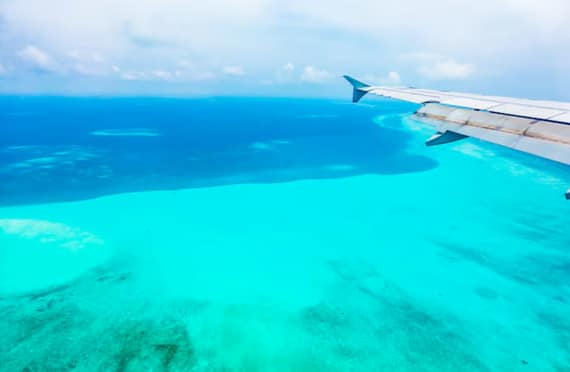
Flights: Speed & Convenience
Routes & timing:
- Dar es Salaam to Zanzibar: 30–45 minutes flight time
- Serengeti/Northern Parks to Zanzibar: 1–2 hours (via Dar connection or direct charter)
- Cost: $70–$150 per person regional carriers; $100–$200 international airlines
Why fly?
- Fastest connection (minimal time lost to transportation)
- Convenient airport-to-airport transfer
- Multiple daily departures
- Predictable schedules
Airlines operating this route: Precision Air, Coastal Aviation, Regional Air, Air Tanzania, Ethiopian Airlines
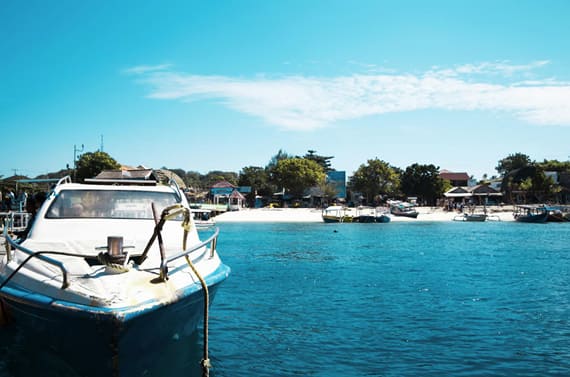
Ferries: Budget & Adventure
Routes & timing:
- Dar es Salaam to Zanzibar: 1 hour 20 minutes (fast ferry) to 2–3 hours (slower ferry)
- Cost: $35–$50 economy; $75–$150 VIP class
- Frequency: 4–8 daily departures
Why ferry?
- Significantly cheaper than flights
- Larger luggage allowance
- Adventure experience (you’re on the Indian Ocean)
- Multiple departure options daily
Ferry operators: Sea Link (most reliable), Azam Marine, Precision Ferry Services
Experience reality: Ferry travel is authentic but can be rough in choppy seas. Motion sickness medication recommended. Journey time can be extended by weather delays.
Strategic Recommendations
Hybrid approach: Fly one direction, ferry the other. Experience both perspectives while optimizing cost and time.
Same-day connections: Risky. Allow 3+ hour buffer (flights) or 4+ hours (ferries) for connections.
Mnemba Island access: Private boat from Zanzibar’s northeast coast, 15 minutes included with resort stay.
Find accommodation that matches your wallet in our Best Tanzania Lodges & Zanzibar Hotels: Luxury to Budget Guide 2025-2026.
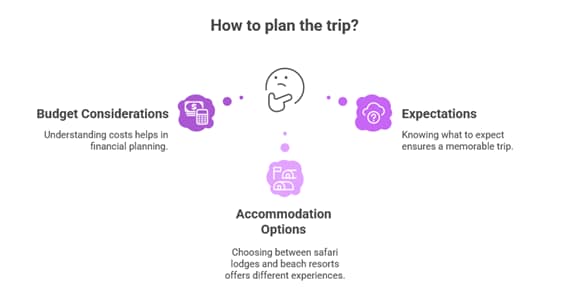
Budgets, Accommodation & What to Expect for your Tanzania Safari with Zanzibar Beach Holiday
Typical Cost Breakdown
A classic 10-day combined trip Tanzania safari and Zanzibar beach trip typically costs $2,500 to $5,000 per person, all-inclusive, covering:
- Accommodation (safari lodges, beach resorts)
- All meals and non-alcoholic beverages
- Park entry fees
- Daily game drives (2–3 per day during safari)
- Professional guide services
- Domestic flights (Dar to Zanzibar)
What’s typically excluded: International flights from Switzerland, alcoholic beverages, tips (10–15% customary), travel insurance, special activities (hot air balloon safari, optional excursions).
Luxury experiences can exceed $15,000 per person for private island stays and premium lodge selections.
Safari Lodge Options
Luxury tented camps ($1,200–$2,500/night): Ultra-premium experiences featuring spacious suites, private verandas, fine dining, personalized guides, and exclusive concierge services. These camps occupy private concessions in Serengeti and other parks.
Mid-range lodges ($400–$800/night): Comfortable, well-maintained facilities with reliable service, good food, and knowledgeable guides. Most Zamani Voyage clients select this tier, balancing quality and value.
Budget camps ($20–$200/night): Basic but clean accommodations for budget-conscious travelers. Facilities vary, but provide authentic safari experiences.
Zanzibar Resort Options
Luxury island resorts: Mnemba Island (&Beyond) reaches $15,000–$20,000/night all-inclusive. Mid-range luxury (Xanadu, Manta Resort) ranges $500–$1,500/night.
Mid-range beach resorts: $150–$400/night with good amenities, water sports, dining options.
Budget guesthouses: $30–$80/night for basic but authentic experiences.
To time your activities perfectly, check out our guide on Tanzania Activity Planning by Season: When to Snorkel, Dive, Safari, and Explore.
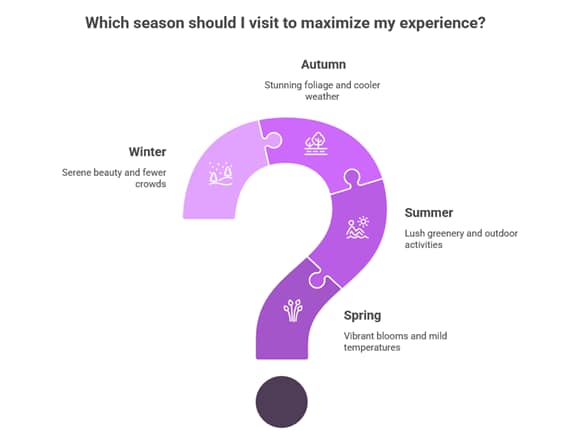
Best Time to Visit Tanzania Safari and Zanzibar Beach Holiday: Seasons, Wildlife & Your Comfort
June to October: Dry Season (Peak)
Weather: Warm, sunny days (25–28°C/77–82°F); cool evenings (10–15°C/50–59°F). Bring a light jacket.
Wildlife: Peak season. Minimal grass and tree cover means exceptional visibility. Predators visible, Big Five encounters guaranteed. Great Migration river crossings occur July–August.
Beach conditions: Sunny, occasional cooler breezes. Perfect water conditions for snorkeling and diving (visibility 20–30m).
Costs: Highest prices. Book 2–3 months in advance.
Visitor density: High. Popular areas can feel crowded.
Best for: First-time visitors planning a Tanzania safari and Zanzibar beach vacation, migration enthusiasts, photography-focused travelers, those prioritizing wildlife certainty.
November to March: Green Season (Value)
Weather: Warm, occasional afternoon showers (typically brief). November–December: occasional rains. January–March: increasingly dry. Temperature 22–28°C (72–82°F) throughout.
Wildlife: Reliable Big Five viewing (less migration drama). Calving season (February–March) creates newborns and predator activity. Fewer tourists mean more intimate encounters.
Beach conditions: Excellent for snorkeling. Whale sharks present (November–March peak at Mafia Island).
Costs: 20–40% cheaper than dry season. Last-minute availability common.
Vegetation: Lush green landscape (recently watered), beautiful photography.
Best for: Budget-conscious travelers, calving season enthusiasts, whale shark seekers, those preferring peaceful experiences.
April to May: Short Rains (Avoid)
Weather: Unpredictable rainfall, humidity, scattered storms. Roads can become muddy.
Wildlife: Difficult to predict. Fewer tour operators active.
Costs: Theoretically low, but not dramatically cheaper than green season.
Recommendation: Generally avoid unless you’re an adventure traveler with flexibility. Weather unpredictability makes planning difficult.
Core Activities: What You’ll Actually Do Each Day in a Tanzania Safari and Zanzibar Beach Trip
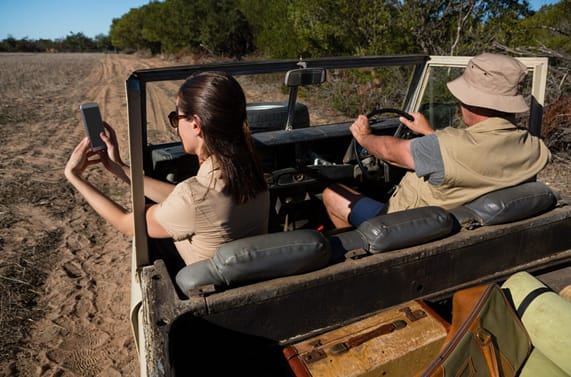
Safari Experience
Daily structure typically includes:
- Pre-dawn departure (5:30–6:00am) for morning game drives when wildlife is most active
- Breakfast (light, on-vehicle or lodge)
- Mid-morning return (10:00–11:00am) for rest, shower, lunch
- Afternoon rest (hot period, minimal wildlife activity)
- Late afternoon departure (4:00–4:30pm) for evening game drives
- Sunset viewing with drinks and appetizers at scenic locations
- Return to lodge for dinner (often featuring local cuisine and storytelling from guides)
What you see: Daily encounters with zebras, wildebeest, giraffes, lions, cheetahs, elephants, and countless bird species. Each day is different; wildlife encounters are never guaranteed but probability is exceptional.
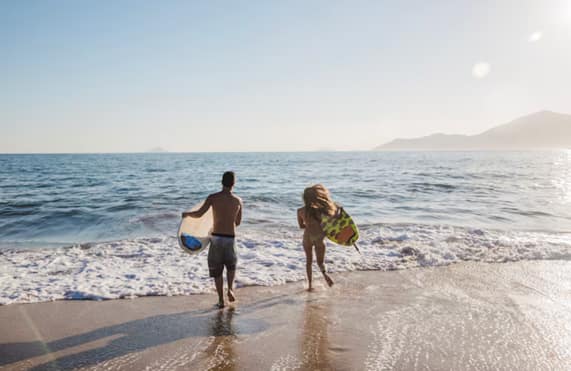
Beach Experience
Zanzibar beach days typically include:
- Morning beach time or water activity (snorkeling, diving, sailing)
- Afternoon relaxation (reading, swimming, or voluntary cultural activities)
- Evening walks, sunset viewing, or dhow cruises
- Dinner at beachfront restaurants featuring fresh seafood
Optional activities: Stone Town walking tours, spice farm visits, Jozani Forest exploration, snorkeling trips, diving excursions.

Cultural Immersion
- Stone Town walks: Guided historical tours through UNESCO heritage site
- Spice farm tours: Understanding plantation agriculture and Swahili heritage
- Jozani Forest: Red colobus monkey encounters and mangrove education
- Local market visits: Authentic shopping and cultural interaction
- Dhow sailing: Traditional sailing methods and sunset experiences
- Local guides: Storytelling, wildlife education, cultural exchange
FAQ
1. How much does a Tanzania Safari and Zanzibar Beach trip actually cost?
A typical 10-day trip costs $2,500–$5,000 per person all-inclusive (excluding international flights). This includes safari lodges, beach resorts, all meals, park fees, and professional guides. Add $600–$900 for international flights from Switzerland, and $150–$250 for domestic transfers. Luxury options (private island stays, premium camps) can reach $15,000+ per person.
2. Can I really do this Tanzania Safari and Zanzibar Beach trip in 7 days?
Yes, though it’s compressed. A 7-day itinerary typically includes 2–3 safari days (Tarangire or Ngorongoro, skipping Serengeti) plus 4 beach days. You’ll experience wildlife and relaxation, but with less time for each component. Most experts recommend 10 days minimum for optimal experience.
3. What’s the best time to see the Great Migration for Tanzania Safari and Zanzibar Beach trip?
July and August offer the highest probability of witnessing dramatic river crossings. These months see massive predator-prey interactions as millions of wildebeest navigate crocodile-filled rivers. September–October still offers good migration viewing but slightly fewer crossings. Note: Prices are highest July–August due to demand.
4. Do I need vaccinations before going to Tanzania Safari and Zanzibar Beach trip?
Yellow fever vaccination proof is required for entry to Tanzania. Malaria prophylaxis is strongly recommended (consult your doctor 4–6 weeks before travel). Typhoid, hepatitis A/B, and routine vaccinations are also commonly advised. Your doctor will provide personalized recommendations based on your health history.
5. Can I combine different islands (Pemba, Mafia, Mnemba) in Tanzania Safari and Zanzibar Beach trip?
Technically yes, but logistics become complex. Zanzibar–Pemba requires flights (30 min, $80–$120). Mnemba requires private boats (15 min from Zanzibar). Multi-island trips require careful scheduling and typically extend beyond 14 days to avoid travel fatigue. Most travelers select one island (typically Zanzibar) for beach finale, or choose Mnemba for ultimate luxury.
Ready to Plan Your Tanzania Safari Bush & Zanzibar Beach Adventure?
This Tanzania Safari and Zanzibar Beach combination transforms how you experience travel. You return home not just with photos, but with memories of personal growth, cultural connection, and natural wonder.
Zamani Voyage specializes in exactly this journey for Swiss and European travelers. With over 100+ previous guests, Swiss tour leaders, vetted 3–5 star accommodations, and flights from Zurich included, we remove planning stress while guaranteeing quality, safety, and authentic experiences.
Ready to discuss your perfect Tanzania-Zanzibar combination?
👉 Book a consultation call with a Zamani Voyage expert — no obligation, personalized recommendations based on your preferences, budget, and available time.
Our experts will help you:
- Select optimal parks based on your interests
- Time your visit for best wildlife and weather
- Choose accommodations matching your budget
- Plan activities aligned with your travel style
- Navigate all logistics (flights, ferries, visas, health requirements)
Let’s turn your African dream into reality.


