

Planning a trip to Tanzania with Zanzibar offers the perfect blend of wild adventure and serene beach relaxation. There’s a moment—roughly 8 days into a Tanzania safari—when you realize you need a break. You’ve been awake at 5 AM for six consecutive days, tracked lions across endless plains, witnessed the Great Migration’s raw drama, and explored Serengeti’s incomparable beauty. Your adrenaline is peaked. Your body is exhausted. Your camera is full of unforgettable shots.
That’s when you fly to Zanzibar.
The transition from safari to beach isn’t just logistically simple—it’s transformational. Within 1–2 hours, you exchange dust and predators for turquoise waters and ocean breezes. Instead of 5 AM wake-ups, you choose when to wake. Instead of tracking wildlife, you float in warm seas. This combination—8 days of savage beauty followed by 6 days of restorative paradise—is arguably the world’s perfect two-week adventure.
Why Pair Safari + Beach: The Ultimate Tanzania with Zanzibar Adventure
Complementary Experiences, Seamless Transition
The Serengeti provides adrenaline, intellectual stimulation, and the visceral thrill of witnessing raw nature. It’s exciting, exhausting, and unforgettable. Zanzibar provides restoration, cultural immersion, and the therapeutic rhythm of ocean time. Neither experience diminishes the other; they amplify each other. This powerful combination is precisely why a holiday to Tanzania with Zanzibar has become a bucket-list trip for so many discerning travelers.
Logistically: The internal flight from Serengeti’s airstrip to Zanzibar takes just 1–2 hours, making the transition seamless. You depart safari camp mid-morning, arrive on the beach by early afternoon. No arduous driving, no exhausting connections—just a quick flight and you’re in paradise.
Psychologically: After 8 days of intense wildlife viewing, your mind craves rest. Zanzibar provides exactly that—beaches for unstructured time, spice tours for light activity, snorkeling for gentle adventure.
For Swiss travelers: Zamani Voyage specializes in exactly this combination, designing 14-day packages that depart Zurich, include flights, small-group departures (8–12 guests), Swiss tour leadership, and accommodations ranging from 3-star to 5-star luxury. Pricing ranges CHF 6,790–9,990, all-inclusive from Zurich. Before booking your trip, read our Zanzibar Best Time to Visit: Complete 2026 Guide to pick the perfect season.
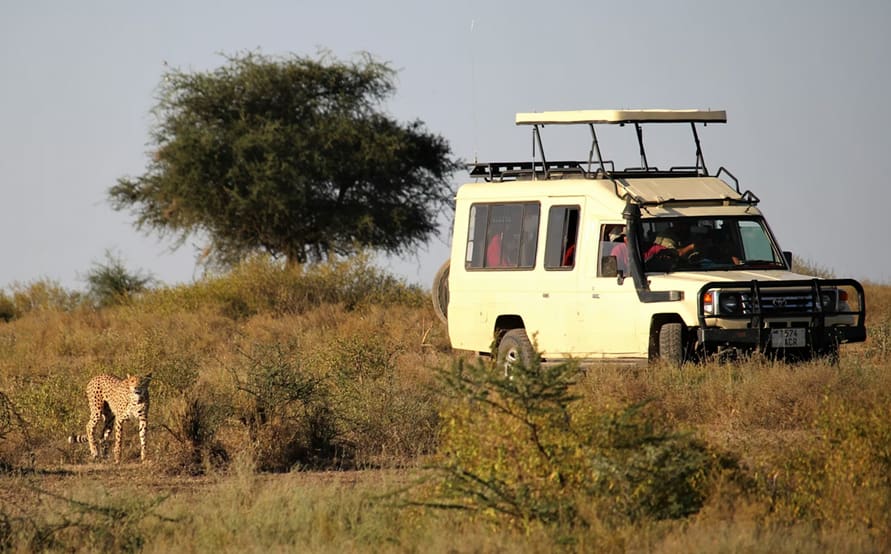
Best Months to Combine Tanzania with Zanzibar
Timing your safari-beach combo to align with seasonal peaks in both locations maximizes value and experience quality. For an unforgettable trip to Tanzania with Zanzibar, it is crucial to understand which months offer the best weather and wildlife viewing opportunities. For a complete overview of weather, events, and travel tips, read the Zanzibar Tanzania: Complete Weather & Travel Guide 2026.
June–October: Great Migration + Dry Beaches
Why this window? June through October captures the Great Migration’s northern Serengeti phase, with the most dramatic moments occurring July through September during Mara River crossings.
Migration drama: Imagine 50,000+ wildebeest attempting to cross a crocodile-infested river. Predators—lions, hyenas, wild dogs—gather for the feast. The river becomes chaos: animals slipping, crocodiles grabbing, predators feeding. Mortality rates spike. It’s nature’s most dramatic spectacle, unfolding in real-time in front of you.
Beach conditions: Zanzibar’s long dry season means minimal rainfall, crystal-clear waters (20–30m visibility for diving), comfortable temperatures (25–30°C), and optimal conditions for all beach activities.
Peak months: August–September capture the river crossing intensity with maximum predictability. This is also peak European summer holiday season, so book accommodations and flights 4–6 months in advance.
December–February: Calving Season + Warm Beaches
Why this window? December through February showcases the Great Migration’s calving season in the southern Serengeti, where hundreds of thousands of baby wildebeest are born between late January and February.
Calving drama: Newborn wildebeest are vulnerable prey. Predators—lions, cheetahs, hyenas—know this and congregate for the feeding bonanza. Simultaneously, mother wildebeest fiercely protect their young. It’s equally dramatic but different from river crossings—a feast-or-be-eaten reality unfolding across the plains.
Beach conditions: Zanzibar’s short dry season brings warm temperatures (28–32°C), calm Kaskazi winds, and flat seas perfect for swimming, snorkeling, and water sports. Sea turtles nest January–March, adding wildlife appeal.
Bonus: December–February includes European holiday season. While more crowded, the festive atmosphere creates memorable celebrations.
Maximize your travel experience by following the advice in the Best Time to Visit Zanzibar: The Ultimate 2025–2026 Seasonal Guide for Swiss Travelers.
Alternative: March–May (Budget Option)
Why this window? March through May is rainy season Tanzania—and it’s dramatically cheaper. Safari lodge prices drop 30–40%, and you’ll find fewer tourists).
Safari reality: Afternoon rains and muddy roads make game drives less predictable, but morning viewing is excellent. Animals gather around water sources, and vegetation creates dramatic photography.
Beach trade-off: Zanzibar’s rainy season (March–May) brings afternoon thunderstorms and seaweed buildup on east-coast beaches. But it’s lush, photogenic, and dramatically cheaper.
Best for: Budget travelers willing to trade guaranteed perfect weather for cost savings and authentic experiences. For budget strategy details, see How to Plan a Budget-Friendly Trip to Zanzibar.
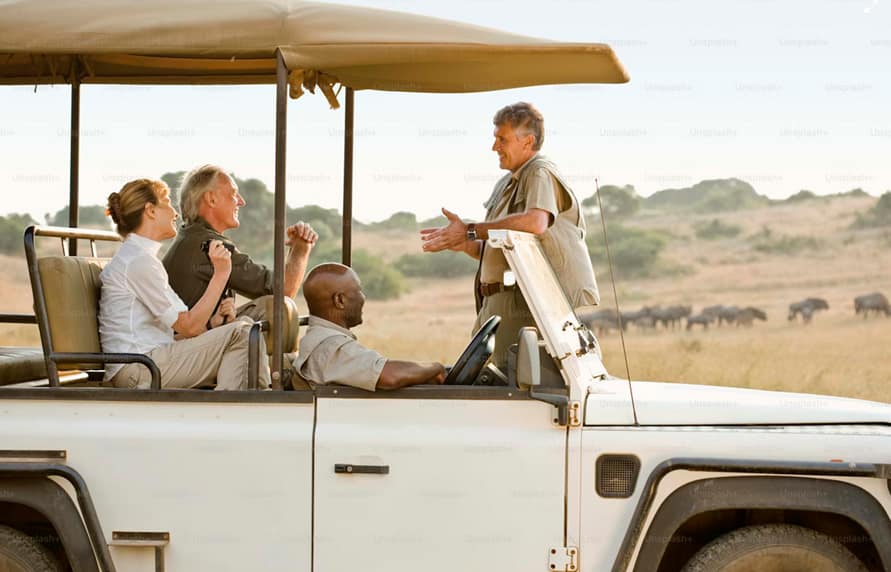
The 14-Day Dream Itinerary for Tanzania with Zanzibar (8 Days Safari, 6 Days Beach)
This balanced 14-day schedule is a classic and highly recommended way to experience Tanzania with Zanzibar for the first time, ensuring you see the highlights of both without feeling rushed.
Days 1–2: Arrival & Arusha Orientation
Departure: Depart Zurich evening (SWISS typically flies Tuesday/Thursday evenings)
Arrival: Land Kilimanjaro International Airport morning (next day), 9–11 hour journey total
Day 2 activities: Transfer to Arusha (1.5 hours), hotel check-in, meet your Swiss tour leader, orientation briefing
Overnight: Arusha area hotel (acclimatization night, rest from flight)
Highlights: Arusha town exploration (optional), group dinner, final confirmations before safari.
Days 3–4: Serengeti National Park
Day 3 morning: Early flight Arusha → Serengeti (1 hour), scenic flight with stunning views
Arrival: 10–11 AM, check into safari lodge or tented camp
Game drives: Afternoon drive to acclimate, spot early wildlife
Day 4: Full day game drive
- Morning drive (6–10 AM): Peak wildlife activity, cooler temperatures
- Mid-day rest: Return to lodge (heat, animals less active)
- Afternoon drive (3–7 PM): Resume wildlife viewing until sunset
- Evening: Traditional sundowner (cocktails/refreshments at scenic overlook), dinner
Wildlife expectations: Elephants, zebras, wildebeest, giraffes, lions, leopards, hyenas, warthogs. The “Big Five” (lion, elephant, buffalo, leopard, rhino—rhinos are rare in Serengeti but possible in Ngorongoro).
Accommodation: Tented camps or mid-range lodges, depending on package tier
Days 5–6: Northern Serengeti (Mara River Crossings)
Day 5: Transfer to northern Serengeti (Kogatende or Lobo region), full day of drives targeting river crossing hot spots
Day 6: THE DAY. Entire focus on Mara River crossings (July–September) or predator activity (other months)
- Multiple drives: Morning, midday scouting, afternoon positioning
- Experienced guides: Track signs of approaching migration, position vehicles for optimal viewing
- May witness: 50,000+ wildebeest attempting crossing, crocodile attacks, predator feeds, life-or-death drama unfolding
Reality check: River crossings aren’t guaranteed, even during peak times. But guides know patterns, positioning, and scouting techniques that maximize encounter probability. If crossings don’t occur, you’ll experience unprecedented predator action and game viewing.
Accommodation: Northern Serengeti camps (more remote, more expensive, but closer to crossings)
Day 7: Ngorongoro Crater (All-In-One Experience)
Day 7 morning: Drive from Serengeti to Ngorongoro Crater rim (3–4 hours scenic driving)
Crater descent: 4×4 vehicle descends 2,000 feet into the world’s largest intact volcanic caldera
Crater landscape: 260 sq km enclosed ecosystem with concentrated wildlife population—approximately 25,000 animals in one contained area.
Crater wildlife highlights:
- Elephants: 100+ elephants often visible
- Black rhinos: Tanzania’s Ngorongoro concentrations (rare elsewhere in Africa)
- Lions: Highest predator density
- Wildebeest, zebras, buffalo, hippos, flamingos: All visible in single drive
- Hyenas, jackals, warthogs: Smaller but omnipresent
Full-day crater drive: 7–8 hours of game viewing with breaks for lunch (picnic inside crater). Late afternoon ascent back to crater rim lodge.
Why Ngorongoro? Highest wildlife density in Africa. Best chances for seeing the full Big Five in a single day. Unique enclosed ecosystem unlike anywhere else on the continent.
Accommodation: Crater rim lodge (sunset views, crater night sounds)
Days 8–9: Travel to Zanzibar + Beach Arrival
Day 8 morning: Transfer from Ngorongoro crater rim to nearby airstrip (Seronera airstrip typically)
Flight Serengeti → Zanzibar: 1–2 hour scenic flight over Arusha, Kilimanjaro, Dar coast before arrival in Zanzibar
Day 8 afternoon: Arrive Zanzibar, transfer to beach resort, check-in, freshen up
Welcome dinner: Beachfront dinner, decompression from safari intensity
Day 9: Settlement day
- Sleep in if desired
- Swim, acclimate to beach rhythm
- First snorkel or beach exploration
- Organize diving certifications or next day’s activities
Accommodation choice (Day 8–13):
- Northern beaches (Nungwi, Kendwa): Year-round swimming, nightlife, diving hub
- Eastern beaches (Paje): Kitesurfing, laid-back vibe, tidal considerations
- Kiwengwa: Resort-focused, family-friendly
For detailed beach comparisons, see A Guide to Zanzibar’s Beaches: Which to Visit and When.
Days 10–12: Zanzibar Beach & Activities
Day 10: Beach choice day
- Swim, snorkel from beach
- Relax by pool/in hammock
- Optional: Light activity (spice tour half-day)
- Early sunset; dinner on beach
Day 11: Major activity day—choose one:
- Mnemba Atoll full-day snorkeling ($50–80): Boat to private atoll, 3–4 hours snorkeling, lunch included, marine life encounters (sea turtles, dolphins, reef fish)
- Dolphin tour from Kizimkazi ($40–70): 2–3 hour early morning boat, dolphin sightings, Kizimkazi village visit
- Introductory dive or full certification ($300–500 for 3-day certification): For first-timers or advanced diving
Day 12: Cultural/historical day
- Stone Town exploration: Old Fort, House of Wonders, Forodhani Gardens, Darajani Market (2–3 hour guided tour, $20–30)
- Lunch: Waterfront restaurant overlooking harbor
- Sunset: Return to beach resort, evening relaxation
- Dinner: Forodhani Gardens night market for fresh Zanzibar pizza and seafood
For detailed activity timing and seasonal considerations, see Top Activities in Zanzibar for Every Season.
Days 13–14: Final Relaxation & Return
Day 13: Relaxation day
- Sleep in, beach time
- Spa treatment (massage, facial) at resort
- Final swims
- Souvenir shopping
- Pack and prepare for departure
Day 14 morning/afternoon: Final beach time, check-out, airport transfer
Flight Zanzibar → Kilimanjaro → Zurich: Evening departure, 10–11 hour journey (arrives Zurich morning next day)
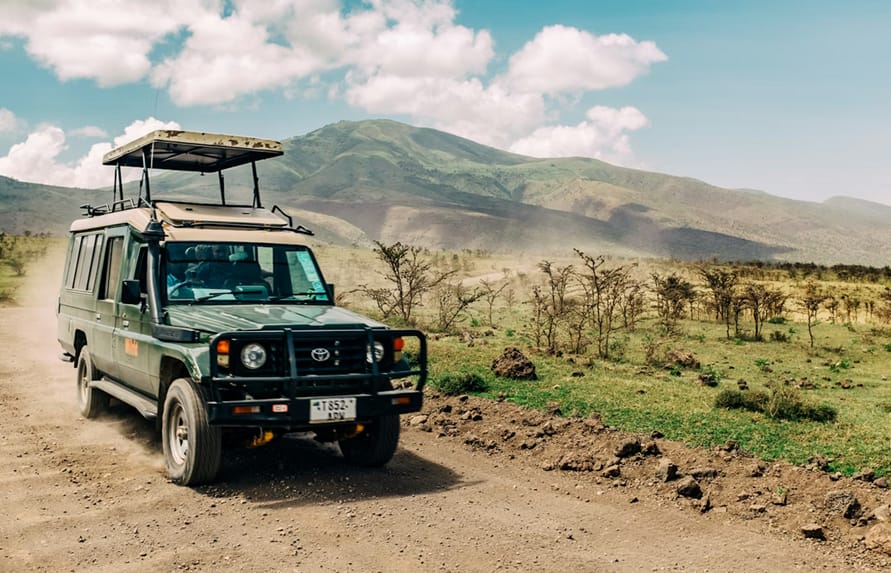
Alternative Itineraries for your Tanzania with Zanzibar Trip
10-Day Quick Version (5 Days Safari, 5 Days Beach)
Days 1–5: Arusha + 3-day safari (focus: Ngorongoro Crater + 1.5 days Serengeti OR Tarangire National Park)
Days 6–10: Zanzibar beach (arrives Day 6 afternoon, departs Day 10 afternoon)
Trade-off: Reduced safari time limits Great Migration viewing opportunities. Better for budget travelers or those with limited vacation time.
21-Day Extended (8 Safari, 6 Zanzibar, 6 Pemba/Mafia)
Days 1–8: Full safari (Serengeti + Ngorongoro)
Days 9–14: Zanzibar beaches
Days 15–20: Pemba Island (diving hub) OR Mafia Island (whale shark season Oct–Feb)
Day 21: Return flight to Zurich
Upgrade: Adds island exploration, premium diving sites, whale shark encounters (Mafia Island, October–February). Total cost CHF 10,000–15,000+.
Reverse Order (Beach First, Safari Last)
Rationale: Start relaxed, build to adrenaline
Logistics: Slightly more efficient—arrive Zanzibar Day 2, safari Days 8–14, return Zurich Day 15
Most travelers prefer: Safari first (adrenaline builds), then Zanzibar (restoration follows excitement). But personal preference varies.
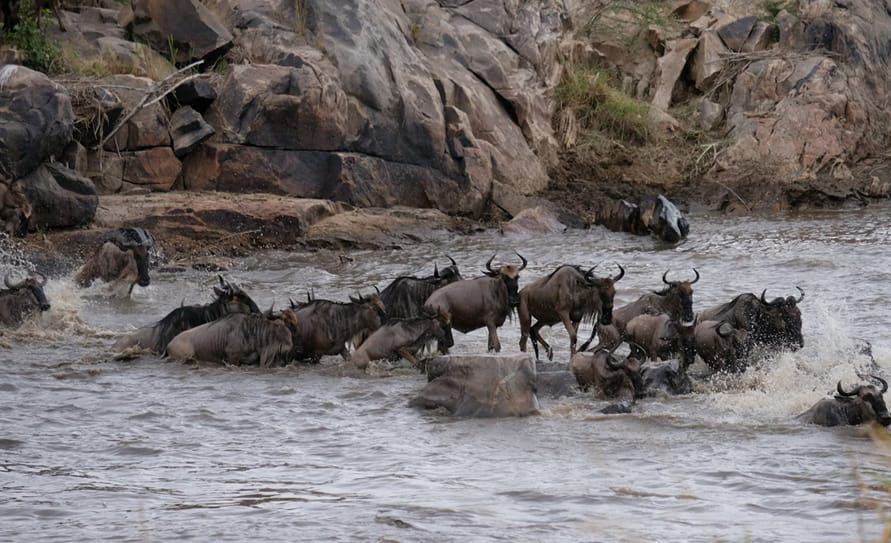
The Great Migration: Understanding the Cycle
Witnessing this spectacle is a core reason why travelers decide to book a trip to Tanzania with Zanzibar during these specific months.
January–February: Calving Season (Southern Serengeti)
What’s happening: 400,000+ wildebeest calves born in 3-week window (late January–early February) in southern Serengeti near Ndutu, Lake Masek. Predators gather in unprecedented numbers—lions, cheetahs, hyenas, wild dogs—knowing newborn mortality rates spike.
What you see: Baby wildebeest taking first steps, mothers frantically protecting calves, predator hunts occurring daily, mass feeding frenzies.
Best for: Photographers, wildlife action seekers, those willing to trade river-crossing drama for predator intensity.
Viewing probability: 95%+ (animals are stationary during calving)
Accessibility: Vehicle access limited (muddy terrain); morning drives challenging.
March–May: Northern Migration (Western Corridor)
What’s happening: Rains trigger vegetation growth. Wildebeest begin moving northwest toward better grazing. Grumeti River crossings occur March–June as animals move west.
What you see: Massive herds moving through landscape, Grumeti River crossings (dramatically fewer than Mara crossings but still spectacular), predator action, lush vegetation photography opportunities.
Best for: Budget travelers, photographers, those seeking alternative viewing windows.
Viewing probability: 80% (some herds move faster/slower than predicted)
Accessibility: Western Corridor muddy during rains but accessible.
June–July: Arrival in Northern Serengeti
What’s happening: Migration herds reach northern Serengeti (Kogatende, Lobo regions), setup positions for river crossing.
What you see: Pre-crossing tension, massive herd congregations, predator anticipation, exploratory river scouts by wildebeest.
Best for: Those planning July crossing trips; preparation excitement builds.
Viewing probability: 90% (see migration; crossings not yet occurring)
Accessibility: Roads clear, dry, optimal for game drives.
August–October: Mara River Crossings (Northern Serengeti)
What’s happening: Peak of 50,000+ wildebeest attempting Mara River crossings. Crocodile-feeding frenzies, predator hunts, life-or-death drama daily.
What you see: The spectacle—animals slipping, crocodiles grabbing, herds panicking, predators feeding, mortality spikes, sheer survival chaos.
Best for: First-time safari-goers, wildlife photographers, adrenaline seekers.
Viewing probability: 85% (crossings sometimes delayed by rain or unpredictable timing)
Accessibility: Excellent; roads dry, guides experienced.
November–December: Return to Southern Plains
What’s happening: Short rains trigger return migration toward southern Serengeti. Herd movements fragmented, less predictable.
What you see: Moving herds, scattered predator action, landscape transition from dry to green.
Best for: Budget travelers (reduced prices), those seeking quieter safari experience.
Viewing probability: 70% (herds more dispersed; harder to predict exact locations)
Migration Summary Table
| Month | Location | Key Activity | Viewing Probability | Best For |
| January–February | Southern Serengeti (Ndutu) | Calving season | 95% | Predator action, calves |
| March–May | Western Corridor | Grumeti crossings | 80% | Budget travelers, photography |
| June–July | Northern Serengeti | Pre-crossing preparation | 90% | Setup viewing, build anticipation |
| August–October | Northern Serengeti (Mara River) | Mara River crossings | 85% | Peak action, drama, crossings |
| November–December | Southern plains | Return migration | 70% | Budget travelers, quiet experience |
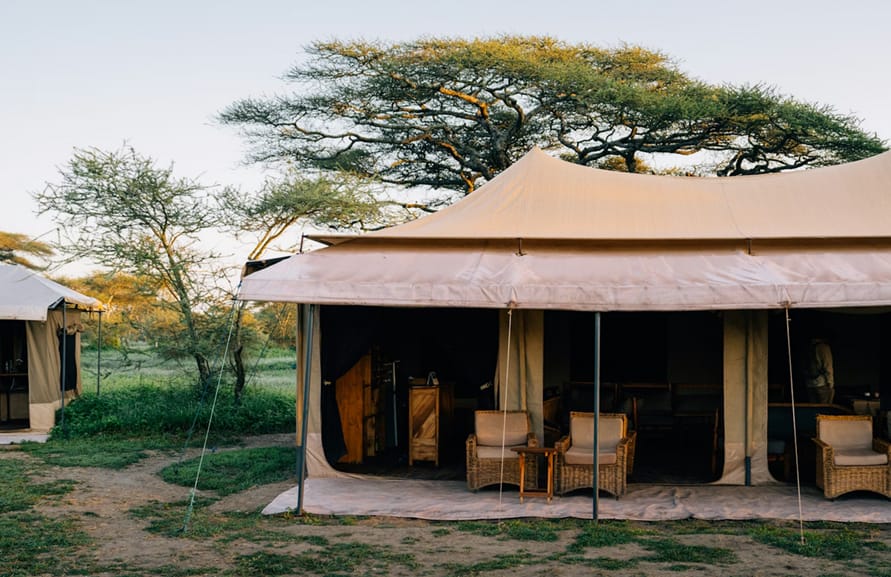
Accommodation: Safari Lodges & Beach Resorts
Safari Options (By Budget)
Budget camps ($150–250/night):
- Basic but comfortable, shared facilities sometimes
- Rustic charm, authentic experience
- No frills but functional
- Examples: Various community camps, budget operators
Mid-range lodges ($250–500/night):
- Comfortable rooms, private bathrooms
- On-site restaurant, guides, activities included
- Good balance of comfort and value
- Examples: Serengeti Sopa Lodge, Ngorongoro Sopa Lodge
Luxury tented camps ($500–2,000+/night):
- Premium positioning (best wildlife views)
- Gourmet dining, premium service
- En-suite bathrooms, generator power
- Examples: Four Seasons Safari Lodges, Richard’s Camp
Whether you’re beach-bound or going on safari, the Packing List Tanzania Zanzibar: Complete Guide 2026 has you covered.
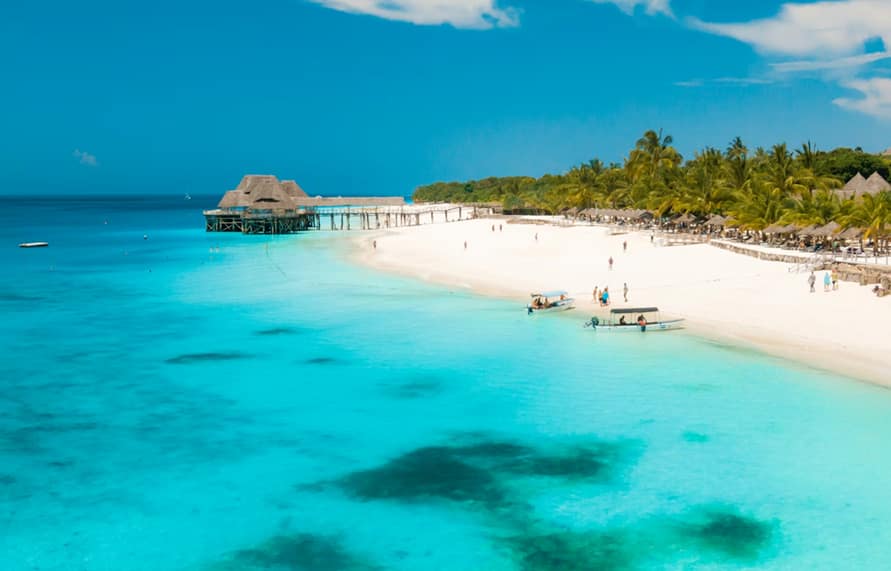
Zanzibar Beach Options (By Budget)
Budget ($25–60/night): Guesthouses, backpacker hostels (see How to Plan a Budget-Friendly Trip)
Mid-range ($80–200/night): Boutique hotels, 3–4-star resorts
Luxury ($250–1,500+/night): 5-star resorts, private villas
Zamani Voyage Positioning
Zamani Voyage selects vetted partners across all tier levels. Their advantage: coordination, logistics, and guaranteed quality.
- 3-star package (CHF 6,790/person): Comfortable mid-range accommodations
- 4-star package (CHF 7,790/person): Enhanced comfort, better locations
- 5-star luxury package (CHF 9,290–9,990/person): Premium accommodations, exclusive experiences
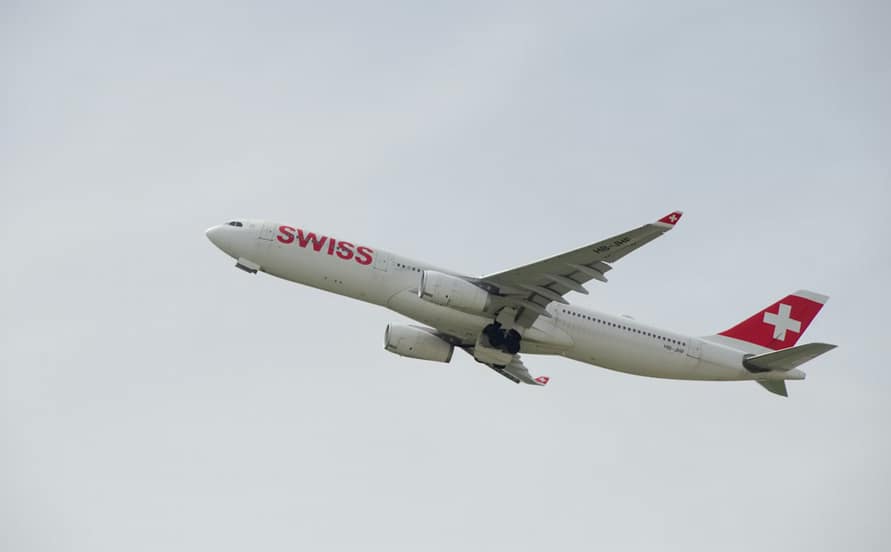
Internal Logistics & Flights from Zurich to Tanzania with Zanzibar
International Flight: Zurich → Kilimanjaro (9–11 hours)
Carriers: SWISS (typically), Qatar Airways, Ethiopian Airlines, Turkish Airlines
Pricing: CHF 900–1,200 (round-trip, mid-range)
Flight pattern: Zurich → hub (Doha/Istanbul/Addis Ababa) → Kilimanjaro
Kilimanjaro → Serengeti (1 hour flight)
- Timing: Typically early morning (6–8 AM)
- Aircraft: Small twin-engine planes (15–18 seater)
- Route: Scenic flight over Arusha, Mount Mawenzi, Serengeti plains
- Included: In most safari package prices
Serengeti → Zanzibar (1–2 hour flight)
- Timing: Mid-morning (9–11 AM departure)
- Aircraft: Similar small planes
- Route: Scenic coastal views, Dar es Salaam visible
- Included: In safari-beach combo packages
Zanzibar → Kilimanjaro → Zurich (Return)
- Timing: Evening departure from Zanzibar (typically 5–7 PM)
- Flight: Zanzibar → Kilimanjaro → Zurich overnight
- Arrival: Morning Zurich (next day)
- Included: In package prices
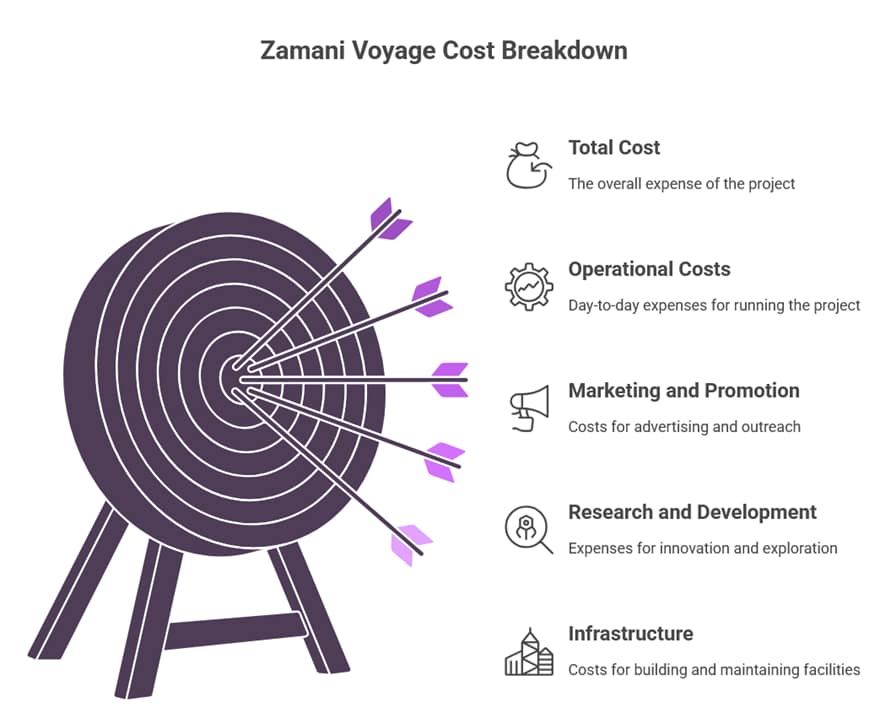
Total Cost Breakdown for our Tanzania with Zanzibar (Zamani Voyage Model)
Understanding the total cost is a key part of planning your Tanzania with Zanzibar adventure, and package deals often provide the best value and clarity.
Budget Combined Package: CHF 5,500–7,000 per person
Inclusions:
- Flights Zurich–Kilimanjaro–Zanzibar–Zurich
- Internal flights (Kilimanjaro–Serengeti, Serengeti–Zanzibar)
- Accommodations: 3-star safari camps/lodges, 3-4-star beach resorts
- All game drives, guides, park fees
- Full-board on safari (breakfast, lunch, dinner, snacks)
- Half-board on Zanzibar (breakfast, dinner)
- Swiss tour leader, small-group size (8–12 guests)
Excludes: Meals on Zanzibar (lunch, beverages), personal activities, tips, travel insurance
Mid-Range: CHF 7,500–10,000 per person
Upgrades to: 4-star accommodations, enhanced meal inclusions, more activity options
Luxury: CHF 12,000–18,000+ per person
Upgrades to: 5-star exclusive camps/resorts, premium experiences, maximum flexibility, limited-group size
Comparison: DIY Booking
Flight costs: CHF 1,200 round-trip (Zurich–Kilimanjaro)
Safari component (3-day budget): CHF 1,500–4,000 (depends on lodge tier, park fees, transport)
Zanzibar component (6 days, mid-range): CHF 600–1,500 (accommodation + basic activities)
Total DIY: CHF 4,200–8,200
Zamani Voyage advantage: Simplicity, security, vetted partners, Swiss tour leadership, zero planning stress, guaranteed coordination. Price premium justified for peace of mind and seamless experience. For many Swiss travelers, Zamani Voyage’s transparency and service justifies the packaging cost.
FAQs
1. Can I do safari + beach in less time?
Yes—10 days works (5 days safari, 5 days beach), though safari time is compressed. You’ll skip some park areas or reduce driving days. For optimal experience, 14 days is ideal; 12 days acceptable; less than 10 days becomes rushed.
2. Which months have the most dramatic wildlife moments?
August–September: Mara River crossings are peak drama. 50,000+ wildebeest crossing crocodile-infested river, predators feeding—unmatched intensity.
January–February: Calving season predator action—different but equally dramatic. Daily hunts, mortality spikes, feeding frenzies.
3. Is the flight from Serengeti to Zanzibar safe?
Absolutely. These small aircraft (15–18 seaters) operate thousands of flights safely yearly throughout Africa. They’re maintained to international standards, pilots are experienced, and the flight is one of Africa’s most routine routes. Scenic views make it memorable, not dangerous.
4. What if I hate heights or flying?
Small aircraft are perfectly safe but can feel less stable than large planes (normal turbulence). If height anxiety is severe, discuss with Zamani Voyage in advance—they can sometimes arrange alternative logistics (overland + ferry), though this extends travel time significantly. Honestly, most nervous fliers find the scenic views distract from anxiety.
5. Can I fly direct from Zurich to Kilimanjaro?
No direct flights exist. SWISS operates Zurich → hub (typically Doha or Istanbul) → Kilimanjaro. Qatar Airways and others offer similar routing. Total travel time: 9–11 hours including layover. Avoid booking with long layovers (8+ hours) unless you want hub city stopover time. 3–5 hour layovers are typical and efficient.
Conclusion: The Perfect Two-Week Adventure
Combining Tanzania’s Great Migration safari with Zanzibar’s beach restoration creates an unparalleled two-week adventure. Eight days of wildlife intensity followed by six days of restorative beach time represents a nearly perfect travel arc. The seamless internal flight transition, cost efficiency, and variety of experiences make safari-beach combos arguably the world’s best two-week trips. Ultimately, a well-planned journey to Tanzania with Zanzibar delivers two incredible, distinct holidays in one unforgettable trip, creating memories that last a lifetime.
For Swiss travelers, Zamani Voyage’s expertise, tour leadership, and logistical coordination transform this combination from complex DIY planning into a seamlessly executed adventure.
About Zamani Voyage
Swiss travelers seeking perfectly coordinated Tanzania safari and Zanzibar beach combinations can rely on Zamani Voyage’s 14-day packages from CHF 6,790–9,990 per person. Small-group departures (8–12 guests), Swiss tour leadership, all-inclusive pricing from Zurich, and expert seasonal knowledge ensure optimal timing and seamless logistics. Learn more at zamani-voyage.ch.


