

Tanzania Zanzibar isn’t just about lounging on pristine beaches—though there’s plenty of that too. This island is a stage for adventure, culture, and wildlife that shifts dramatically depending on when you arrive. The question isn’t “what should I do in Zanzibar Tanzania?” but rather “what can I do during my specific travel window?”
Here’s what you need to know: June through October transforms Zanzibar Tanzania into a diver’s paradise with crystal-clear waters and aligns perfectly with Tanzania Tanzania’s Great Migration for an unforgettable safari combo. December through February brings warm, festive vibes, world-class kitesurfing, and sea turtle encounters. Meanwhile, March through May’s rainy season offers budget deals, lush photography opportunities, and intimate cultural experiences.
This guide breaks down the best activities by season, so you can plan a trip perfectly matched to your interests—whether you’re seeking marine adventure, wildlife drama, cultural immersion, or a rejuvenating beach escape.
Why Seasonality Matters for Your Tanzania Zanzibar Experience
Tanzania Zanzibar’s activities aren’t season-proof. A stunning dive site in July becomes murky and unpredictable in April. A perfect kitesurfing window in December disappears by March. Cultural festivals align with specific months, marine wildlife migrates and congregates seasonally, and even the island’s energy and tourist vibe shift dramatically based on the calendar.
Understanding these patterns transforms your Tanzania Zanzibar trip from “nice beach vacation” to “perfectly timed adventure matched to world-class conditions.” Whether you’re a diver seeking 30-meter visibility, a wildlife photographer chasing the Great Migration, or a cultural explorer wanting authentic interactions, timing is everything.

June–October: The Peak Season (Diving, Safari, Festivals)
June through October is Tanzania Zanzibar ‘s golden window—and for excellent reasons. The long dry season brings cooler temperatures (25–30°C), minimal rainfall, crystal-clear waters, and alignment with Tanzania’s most dramatic safari season. This is when the island buzzes with activity, crowds peak, and the conditions for almost every adventure reach their zenith.
Best Diving & Snorkeling
The Setup: The Kusi winds from the south bring dry air and calm seas, creating optimal conditions for underwater exploration. Water visibility reaches an impressive 20–30 meters at premier dive sites, meaning you’ll see marine life with stunning clarity (Moon Light Tours Expedition). The ocean teems with life—sea turtles glide beneath you, schools of reef fish dart through coral formations, dolphins pass nearby, and occasionally whale sharks cruise the deeper channels.
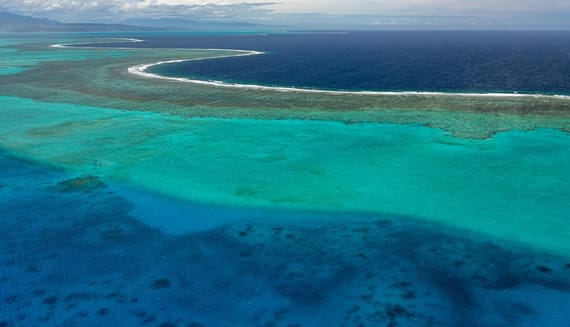
Top Dive Sites:
- Mnemba Atoll (1 hour from Nungwi): Tanzania Zanzibar’s crown jewel for diving. The atoll’s outer wall drops to 40+ meters, hosting schools of jack fish, barracuda, giant groupers, and occasionally manta rays and whale sharks. Visibility typically reaches 25–30 meters. Best for experienced divers (Moon Light Tours Expedition).
- Chumbe Island Coral Park (west coast): 90% of East Africa’s coral species found here. The pristine, protected marine reserve features gentle reefs suitable for all certification levels, with sea turtles, rays, and diverse reef fish. Unique feature: overnight stays available at the island’s eco-lodge.
- Prison Island (Changuu Island) (20 minutes from Stone Town): Easier than Mnemba but still rewarding. Snorkeling is excellent for beginners and families, with sea turtles and reef fish at shallow depths (3–8 meters). Combines with historical exploration (Encompass Africa).
- Tumbatu Island (North Zanzibar): Less crowded than Mnemba, with dramatic wall dives and excellent macro photography opportunities. Visibility consistently 20+ meters. Best for advanced divers seeking solitude.
Marine Life Encounters: June–October visibility allows you to spot pelagic fish (jacks, trevally), reef residents (moray eels, octopuses, cuttlefish), sea turtles (green and hawksbill species), dolphins (bottlenose and humpback), and occasionally manta rays at depth.
Booking: Reserve dive trips through your resort, or pre-book with established operators like Moon Light Tours or your accommodation’s dive center. Most offer 2-dive days (AM & PM) or full day trips.
For detailed beach and dive site locations, see our guide: A Guide to Tanzania Zanzibar’s Beaches: Which to Visit and When.
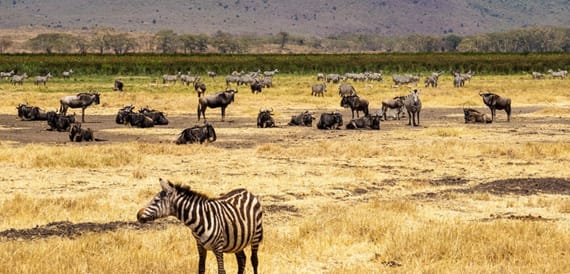
Great Migration Window (Safari Combo)
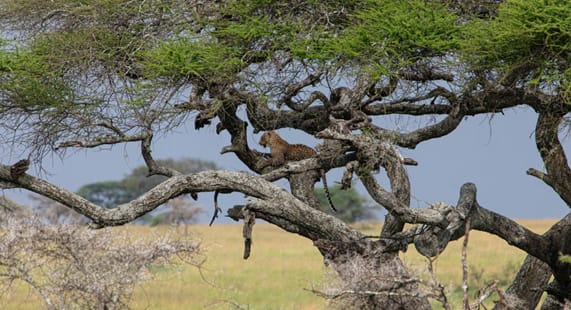
This is the magic window for combining Zanzibar with a Tanzania safari. June through October captures the Great Migration’s northern Serengeti phase, with the most dramatic moments occurring July through September when Mara River crossings happen (Tanzania Safari Source Tours).
The Drama: Imagine witnessing 50,000+ wildebeest attempting to cross a crocodile-infested river. Predators—lions, hyenas, wild dogs—gather for the feast. The river becomes a feeding frenzy of life and death unfolding in real-time. This isn’t nature documentary footage; it’s happening right in front of you.
August–September Peak: The crossing intensity peaks in August–September when river water levels are at their seasonal low, forcing the migration into specific crossing points. This creates the most predictable, most dramatic viewing opportunities.
The Transition: After 8 days of safari in Serengeti and Ngorongoro Crater, you fly to Tanzania Zanzibar (1–2 hour flight) for 6 days of beach relaxation. The adrenaline from wildlife encounters gives way to the therapeutic rhythm of ocean breezes and pristine beaches. It’s the perfect pairing.
Packages: Zamani Voyage specializes in this exact combination, with 14-day itineraries departing Zurich that include flights, Swiss tour leadership, small-group sizes (8–12 guests), and both safari lodges and beach resorts. Pricing ranges CHF 6,790–9,990 depending on accommodation level (Zamani Voyage).
For complete itinerary planning and timing details, explore: The Perfect Itinerary: Combining a Tanzania Safari with a Zanzibar Escape.
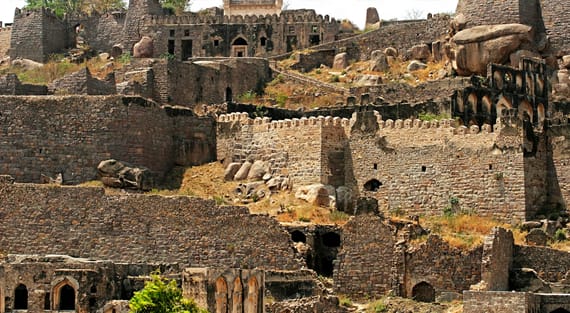
Spice Tours & Stone Town Culture
July through September is peak clove harvest season in Tanzania Zanzibar—the island was once the world’s leading clove producer, and the agricultural heritage remains vibrant.
Spice Farm Tours: These 3–4 hour tours take you through working clove, vanilla, cardamom, and cinnamon plantations. Local guides explain cultivation techniques, harvest methods, and the economic history of Tanzania Zanzibar’s spice trade. You’ll taste fresh spices, see vanilla pods drying in the sun, and understand why Tanzania Zanzibar was historically so valuable. Tours cost $20–40 per person and are available year-round, but July–September offers the added benefit of witnessing active harvests.
Stone Town Exploration: UNESCO World Heritage Site Stone Town is a maze of narrow alleys, historic buildings, and cultural layers. The Old Fort (built by Omanis in 1700), House of Wonders (Tanzania Zanzibar’s grandest building), Forodhani Gardens (waterfront gathering place), and Darajani Market (chaotic, authentic marketplace) are must-visits. June–October offers ideal walking conditions—temperatures around 25–30°C and mostly dry weather.
Walking Tours: Hire a local guide (highly recommended) or join a group tour. Figure 3–4 hours for a thorough tour, $15–30 per person. Evening walks to Forodhani Gardens (sunset time) are particularly magical, with food stalls serving fresh Tanzania Zanzibar pizza, grilled fish, and seafood dishes.

Tanzania Zanzibar International Film Festival (ZIFF)
When: July, Stone Town
What: East Africa’s premier international film festival, celebrating African cinema, documentaries, and cultural performances.
Experience: 10 days of film screenings, workshops, concerts, parades, and cultural celebrations. Stone Town’s streets fill with artists, filmmakers, and travelers. Cinemas (makeshift and traditional) pop up throughout the historic district. Workshops offer insights into African storytelling, cinematography, and cultural preservation.
Booking: Festival dates shift slightly yearly; check the official ZIFF website for precise dates. If traveling in July, build festival events into your itinerary. Accommodation fills quickly during ZIFF, so book 3–4 months in advance.
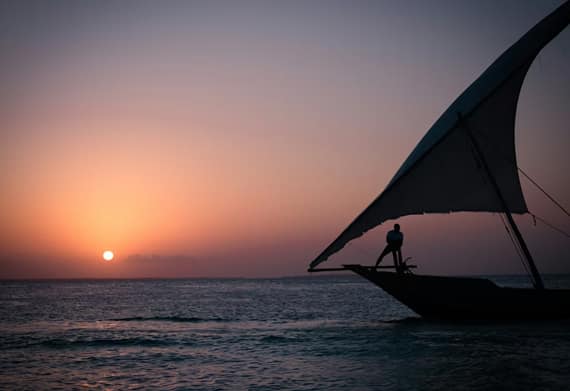
Dhow Sailing & Water Sports
Sunset Dhow Cruises: Traditional wooden dhows (sailing boats) have been used in East Africa for centuries. Sunset cruises depart from Nungwi or Stonetown, lasting 2–3 hours. You’ll sail along the coast, watch the sun dip into the Indian Ocean, and enjoy fresh seafood and drinks on board. Cost: $30–50 per person.
Kitesurfing: June–September brings the Kusi winds—consistent, strong breezes perfect for kitesurfing. Paje and Jambiani beaches on the east coast are Tanzania Zanzibar’s kitesurfing hubs. Beginner lessons available through beach resorts; advanced kite-surfers find challenging conditions and ideal lagoons during low tide.
Windsurfing: Similar conditions to kitesurfing; less crowded than kite spots. Lessons and equipment rental available at beach resorts.
Wildlife Watching
Whale Sightings (July–October): Humpback whales migrate past Tanzania Zanzibar from July through October, traveling from Southern African waters toward breeding grounds in the Indian Ocean. While not guaranteed daily, humpback sightings are possible from coastal vantage points or boat tours. Peak months: August–September.
Dolphin Tours (Kizimkazi): Bottlenose and humpback dolphins inhabit Tanzania Zanzibar’s southern waters year-round, but visibility and sea conditions are optimal June–October. Early morning tours (6–8 AM) from Kizimkazi fishing village offer the best sighting chances. Guides navigate to known dolphin feeding grounds. Tours last 2–3 hours, cost $40–70 per person, and often include snorkeling time at reef sites.
December–February: The Hot Season (Beach, Festivals, Water Sports)
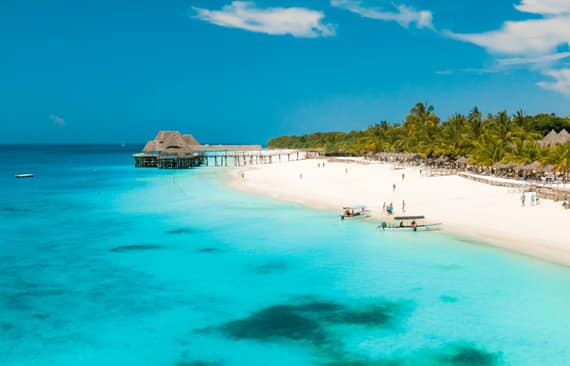
December through February is Tanzania Zanzibar’s hottest season—and many argue its most magical. Temperatures soar to 28–32°C, humidity climbs, but the Kaskazi winds from the northeast flatten the ocean into a bathwater-calm surface. Festive energy fills the air, holiday travelers pour in, and specific marine species congregate, making it ideal for certain activities.
Peak Beach Season & Swimming
The Setup: With sea temperatures reaching 28–29°C and calm, flat seas, December–February is perfect for uninterrupted beach time. Northern beaches like Nungwi and Kendwa offer year-round swimming, but the calm Kaskazi winds make this season particularly ideal for families and beginner swimmers. No strong currents, minimal waves, and predictable conditions.
What to Expect: Days are hot and sunny, with occasional brief afternoon showers that clear within an hour. You’ll have long stretches of clear beach time—perfect for sunbathing, building sandcastles with kids, or simply floating in warm water.
Kitesurfing Paradise
December through February marks the mild-to-strong wind window on Tanzania Zanzibar’s east coast beaches. While not as intense as the June–September Kusi winds, the Kaskazi winds provide consistent, learner-friendly conditions.
Paje Beach becomes especially appealing during this window—the wind is steady, lagoons form at low tide, and the social kitesurfing community fills the beach with energy. Beginner lessons are readily available; experienced riders find playgrounds for freestyle tricks (DIY With Joy).
Jambiani Beach offers similar conditions with a more local, less touristy atmosphere.
Sea Turtle Nesting (January–March)
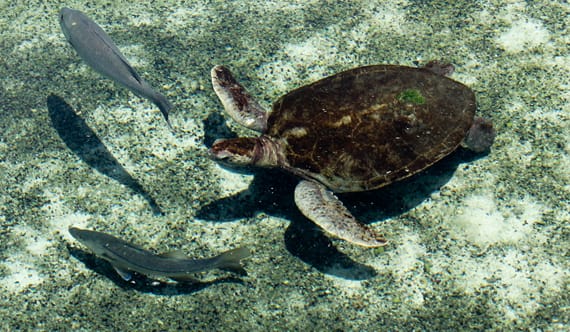
January through March, Tanzania Zanzibar’s beaches witness one of nature’s most moving events: sea turtle nesting season. Green and hawksbill turtles emerge from the ocean at night to dig nests and lay eggs on protected beaches. This ancient ritual repeats every year—the same turtles return to the same beaches where they were born decades earlier.
Turtle Conservation Tours: Organizations like Tanzania Zanzibar Marine Conservation (based in various beach towns) offer guided night tours (January–March) where you participate in turtle monitoring and egg counting. Tours are respectful, educational, and deeply moving. Cost: $20–40 per person. Check with your resort for connections to local conservation groups.
Daytime Turtle Encounters: You may spot basking turtles at reef sites during snorkeling or diving. Treat these encounters with profound respect—never touch, always observe from distance.

Image Credit: https://mg.co.za/article/2015-09-01-where-to-for-the-cancelled-sauti-za-busara-festival/
Sauti za Busara Music Festival (February)
When: February (dates vary yearly), Stone Town
What: East Africa’s premier celebration of Swahili and African music, featuring live performances, workshops, parades, and cultural exchanges.
Experience: Stone Town transforms into a vibrant festival ground. Local and international artists perform everything from traditional Swahili music to contemporary African styles. Workshops cover music history, instrument-making, and cultural traditions. Parades fill the streets with dancers, drummers, and celebrants. It’s a full sensory immersion into East African culture.
Booking: Festival dates are announced 6–8 months in advance. Accommodation fills rapidly—book as soon as dates are confirmed. Many package deals combine festival passes with accommodations. Festival is free to attend, though performances may have small entry fees.
Relaxation & Resort Life
December–February is peak holiday season for European travelers escaping winter. Resorts offer their full range of amenities: spa treatments, pool time, beachfront dining, evening entertainment, and the kind of luxury relaxation that makes Tanzania Zanzibar famous.
Many resorts offer special holiday programming—Christmas dinners, New Year celebrations, wellness workshops. It’s a season for rejuvenation and celebration.
March–May: The Rainy Season (Photography, Culture, Budget Activities)
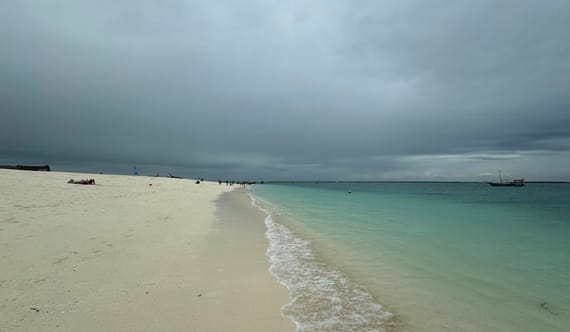
March through May is Tanzania Zanzibar’s least touristy season—and increasingly appreciated by travelers who value authenticity, budget savings, and unique experiences over guaranteed beach weather. Yes, it rains (particularly April). But the upside is dramatic: prices drop 40–50%, beaches empty out, and the island transforms into a lush, photogenic paradise.
Lush Landscapes for Photography
The Transformation: April marks the peak of Tanzania Zanzibar’s long rainy season (385mm of rainfall). The island explodes into green—vegetation flourishes, flowers bloom, dramatic storm clouds fill skies, and light quality becomes extraordinary for photograph.
Photography Gold: Empty beaches with moody skies, lush spice plantations dripping with rain, vivid market colors, intimate Stone Town passages, and the raw energy of local life make this season a photographer’s dream. The dramatic contrasts—dark clouds against turquoise lagoons, rain on palm leaves, sun breaking through storm clouds—create images impossible to capture during dry season.
Best Times: Early morning walks (6–8 AM) before afternoon rains, post-rain late afternoons (4–6 PM) when clouds break, and overcast midday hours when harsh shadows disappear. See when to book your trip by reading the Best Time to Visit Zanzibar: The Ultimate 2025–2026 Seasonal Guide for Swiss Travelers.
Local Cultural Immersion
Fewer tourists mean more space for authentic interactions. You’ll encounter locals in their daily rhythms—children walking to school, fishermen preparing boats, market vendors selling to locals rather than tourists, and genuine conversations rather than “sales pitches”.
Village Experiences: If Ramadan falls during your visit (dates shift yearly), you’ll experience Eid celebrations—feasts, prayers, communal gatherings, and the warmth of shared festivity. Locals often welcome respectful visitors to celebrations. Ask your accommodation about Eid events.
Cooking Classes: Several Stone Town-based organizations offer 3–4 hour cooking classes where you prepare traditional Tanzania Zanzibar dishes (coconut rice, urojo, octopus curry) using fresh market ingredients. You’ll shop local markets, learn techniques from experienced cooks, and enjoy your creations. Cost: $25–40 per person. Best booked through your accommodation.
Quiet Beach Time
April–May beaches are virtually empty. You’ll have stretches of pristine sand entirely to yourself. Yes, afternoon rains may send you inside for 1–2 hours, but mornings and late afternoons offer perfect beach time without crowd.
East Coast Caveat: Seaweed buildup peaks in April on east-coast beaches like Paje and Jambiani—a byproduct of monsoon patterns. This isn’t debris but the island’s natural lifecycle; locals use seaweed for fertilizer. Northern beaches (Nungwi, Kendwa) remain seaweed-free year-round.
Budget Tours & Negotiation Opportunities
Accommodation costs drop 40–50%, and tour operators have excess capacity and motivation to negotiate. Spice tours, diving trips, and cultural experiences become significantly cheaper. Many operators run tours even if few tourists book, so negotiate respectfully but firmly. A fair offer often works.
Budget Note: Budget savings make this season appealing for travelers seeking value. For detailed cost breakdowns and strategies, see: How to Plan a Budget-Friendly Trip to Tanzania Zanzibar.
Forest Walks
Jozani Forest: Tanzania Zanzibar’s last remaining natural forest reaches peak lushness in April–May. The canopy drips with moisture, monkeys forage more actively, insects thrive, and the forest floor comes alive. Red colobus monkeys (endemic to Tanzania Zanzibar) are most active and visible during rainy season. Guided 2-hour walks cost $15–25 per person and are worthwhile for nature enthusiasts.
Ngezi Forest (Pemba Island): If you venture to Pemba Island (30-minute ferry from Tanzania Zanzibar), Ngezi Forest offers even deeper jungle immersion with endemic species and fewer tourists.
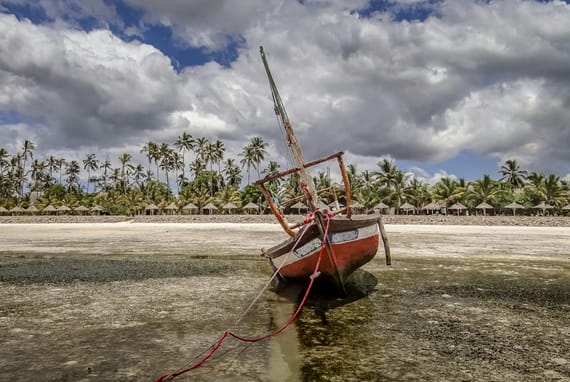
November: The Shoulder Season (Budget + Decent Weather)
November straddles two worlds—the short rains begin, but conditions remain manageable. This is the shoulder season sweet spot: you’ll find budget deals (20–30% discounts) while maintaining reasonably good weather.
Brief Showers, Mostly Warm: November averages 216mm of rainfall, typically arriving in brief morning or afternoon bursts that clear within an hour. Temperatures hover around 28–30°C. You’ll experience sunny beach time interrupted by predictable, manageable showers—far more manageable than April’s intensity.
Cultural Events: If Ramadan timing aligns with your November visit (Ramadan dates shift 10–11 days earlier yearly), you’ll experience the final days of the fasting month culminating in Eid al-Fitr celebrations—feasts, prayers, communal gatherings, and joyful celebrations.
Still Good for Water Activities: Swimming and snorkeling remain excellent despite occasional showers. Water visibility reaches 10–20 meters—not the 30m of dry season, but still good. Sea temperatures hover at a comfortable 27°C.
Cost Savings Begin: Hotels, tour operators, and restaurants start offering November deals. Tour operators negotiate more readily, and you’ll find better rates than peak season without enduring April’s rainfall.
For detailed climate patterns and seasonal advice, see our Zanzibar Tanzania: Complete Weather & Travel Guide 2026.
Special Activities Year-Round
Some experiences transcend seasons—they’re available year-round but with seasonal variations in quality or crowd levels.
Spice Tours (Every Month)
Zanzibar’s spice heritage remains constant. Clove, vanilla, cardamom, and cinnamon plantations operate year-round. Dry season (June–October) offers ideal walking conditions and active harvests. Rainy season (March–May) brings lush vegetation and aromatic scents amplified by moisture. Shoulder seasons offer smaller crowds and negotiable pricing.
Typical Tour: 3–4 hours, $20–40 per person. Guides explain cultivation, harvest techniques, and economic history. You’ll taste fresh spices, see drying processes, and visit local farms. Lunch often included.
Stone Town Walking Tours
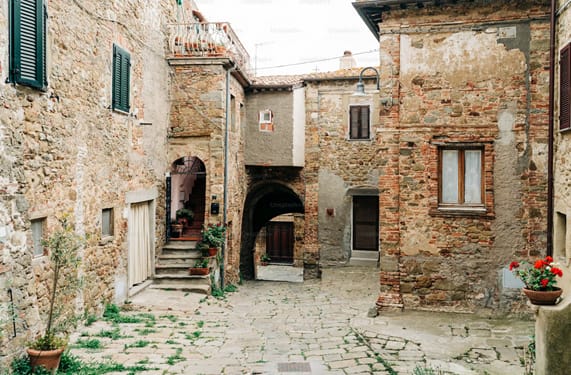
Stone Town’s UNESCO World Heritage status and cultural richness make walking tours worthwhile year-round. Best seasons: June–October (comfortable temperatures, dry weather). Avoid: Afternoon walks during April–May (heat and rain combine unpleasantly). Hire guides through your accommodation or book group tours in advance.
Coverage: Old Fort, House of Wonders, Forodhani Gardens, Darajani Market, historic residential areas, and cultural landmarks. Evening walks to Forodhani Gardens (sunset time) with food sampling are particularly recommended.
Mnemba Island Snorkeling
Mnemba Atoll is excellent for snorkeling and diving year-round, but best during dry seasons (June–October, December–February) when visibility reaches 20–30 meters. April–May becomes less predictable (rough seas, plankton blooms, visibility 5–15m). Day trips cost $50–80 per person and include boat transport, guide, snorkeling time, and often lunch.
For beach and dive site details, see: A Guide to Tanzania Zanzibar’s Beaches: Which to Visit and When.
Prison Island Visits
Changuu Island (Prison Island) works year-round for day trips. The highlight is encounters with giant Aldabra tortoises (ancient creatures living 100+ years, some weighing 200+ kg). Historical tours explore the island’s complex history—it was once a slave holding facility, then a prison, now a conservation site. Snorkeling around the island is good year-round but optimal during dry seasons. Day trips cost $25–40 per person.
Wildlife Sightings by Month
| Marine Species | Best Viewing Months | Peak Months | Notes |
| Manta Rays | December–April | January–March | Seasonal feeders; feed on plankton blooms |
| Whale Sharks | October–February | November–January | Rare but possible; Mafia Island primary sighting area |
| Humpback Whales | July–October | August–September | Migrate past Tanzania Zanzibar; offshore viewing |
| Bottlenose Dolphins | Year-round | June–October | Best visibility during dry season; Kizimkazi primary location |
| Sea Turtles | Year-round | January–March | Nesting season January–March; basking year-round |
| Green Colobus Monkeys | Year-round | April–May | Jozani Forest most active during rainy season |
| Reef Fish Diversity | Year-round | June–October | Visibility and predator action peak dry season |
Festivals & Events Calendar
| Month | Event | Location | Type | Notes |
| January | New Year Beach Parties | Nungwi, Kendwa, Paje | Cultural | Hotels host celebrations; sea turtles nesting |
| February | Sauti za Busara Festival | Stone Town | Music & Arts | East Africa’s premier music festival; book early |
| July | Tanzania Zanzibar International Film Festival (ZIFF) | Stone Town | Cinema & Culture | 10 days of African cinema; accommodate early |
| July | Mwaka Kogwa Festival | Makunduchi | Cultural | Traditional Shirazi New Year; mock battles, feasts |
| August | Kizimkazi Festival | Kizimkazi | Cultural | Local celebration; dolphin tours organized |
| November–December | Eid al-Fitr (if timing aligns) | Islandwide | Religious | Celebratory meals, prayers; warm community welcome |
Activity Accessibility by Weather
| Activity | Best Season | Possible (Suboptimal) | Avoid | Notes |
| Diving/Snorkeling | June–Oct, Dec–Feb | November, September | March–May | Visibility is the limiting factor |
| Kitesurfing | June–September | December–February | November, March–May | Wind consistency varies seasonally |
| Stone Town Walking | June–October | November, December | April–May (midday heat + rain) | Temperature and precipitation affect comfort |
| Safari Combo | June–October | December–February | March–May | Great Migration timing drives safari quality |
| Beach Relaxation | Year-round | — | — | Beach accessible all months; crowd levels vary |
| Photography | March–May | September–October | — | Lush season offers unique perspectives |
| Wildlife (Turtles) | Year-round | — | — | Best viewing January–March during nesting |
| Whale Watching | July–October | June, November | December–May | Migration window limits sightings |
| Spice Tours | Year-round | — | — | Active harvests July–September |
FAQs
1. Can I dive in rainy season?
Technically yes, but diving conditions deteriorate significantly in rainy season (March–May). Water visibility drops to 5–15 meters (vs. 20–30m dry season), seas become rougher, and plankton blooms reduce underwater clarity. Many dive operators reduce schedules or close during April. If you’re visiting rainy season, focus on cultural activities, spice tours, and beach time between showers rather than planning dive trips. For everything you need to know about weather, crowds, and top events, see our Zanzibar Best Time to Visit: Complete 2026 Guide.
2. Is February too hot for activities?
Not for most travelers. February averages 28–32°C with humidity around 80–85%—warm but manageable, especially with ocean breezes. Hydration and sun protection are essential. Schedule intensive activities (spice tours, Stone Town walks) for early morning (6–9 AM) before peak heat. Beach time, water sports, and resort relaxation are perfectly comfortable in February.
3. When’s best for whale watching?
Humpback whales migrate past Tanzania Zanzibar July–October, with peak viewing in August–September. Viewing is best from coastal vantage points or boat tours. Whale sightings aren’t guaranteed daily, but the probability is highest during these months. Book boat tours through your resort; early morning departures offer best visibility.
4. Can I see dolphins year-round?
Yes, bottlenose and humpback dolphins inhabit Tanzania Zanzibar’s waters year-round. However, visibility and sea conditions are optimal June–October. Tours departing from Kizimkazi (southern coast) are reliable year-round, though early morning departures in dry season offer best sighting chances. Cost: $40–70 per person; 2–3 hour tours typically include snorkeling time at reef sites.
5. What if I visit in April—is it a waste?
Absolutely not. April brings dramatic cost savings (40–50% discounts), empty beaches, lush photography opportunities, and authentic cultural immersion. Yes, you’ll encounter afternoon rains. But rainy season Tanzania Tanzania Zanzibar offers unique experiences unavailable in dry months. Plan activities around afternoon showers—morning beach time, spice tours, cooking classes, Stone Town exploration—and embrace the green season’s magic. See how to plan a budget-friendly trip for April-specific strategies.
Conclusion: Your Perfect Tanzania Zanzibar Experience Awaits
Tanzania Zanzibar’s activities aren’t one-size-fits-all—they’re opportunities waiting to be matched to your specific travel window, interests, and adventurous spirit. Whether you’re diving into crystalline waters during dry season, kitesurfing on consistent winds in December, witnessing the Great Migration from safari lodges then relaxing on pristine beaches, or photographing lush landscapes and immersing in authentic culture during green season, Tanzania Zanzibar offers world-class experiences year-round.
The key is timing your activities to seasonal conditions and your personal priorities. This guide equips you with that knowledge.
About Zamani Voyage
Swiss travelers seeking perfectly timed Tanzania safari and Zanzibar beach combinations can rely on Zamani Voyage’s 14-day packages departing Zurich. Small-group sizes (8–12 guests), Swiss tour leadership, all-inclusive pricing from CHF 6,790–9,990, and expert knowledge of seasonal timing ensure your Tanzania Zanzibar activities and safari experiences are optimally aligned with world-class conditions. Learn more at zamani-voyage.ch.


