

The Zanzibar best time to visit depends on your preferences for beach weather, wildlife, or budgeting. When you close your eyes and picture paradise, chances are it looks a lot like Zanzibar—turquoise waters lapping pristine white sand, the scent of spices carried on a warm breeze, and the promise of adventure waiting just beyond the horizon. But here’s the thing about paradise: timing is everything.
The quick answer? For most travelers, the Zanzibar Best time to visit is during the dry season from June to October, when the long dry season brings cooler temperatures (25–30°C), minimal rainfall, and crystal-clear waters perfect for diving and snorkeling. This window also aligns beautifully with Tanzania’s Great Migration safari season, making it ideal for combining a wildlife adventure with a beach retreat. If you prefer warmer weather and festive vibes, December through February offers hot, sunny days (28–32°C) with occasional brief showers—perfect for kitesurfing, water sports, and cultural festivals like Sauti za Busara.
But don’t close this guide just yet. Because the “best” time depends entirely on your travel style, budget, and what you want from your Zanzibar experience. Whether you’re a Swiss traveler escaping winter’s grip, a wildlife photographer chasing the Great Migration, or a budget-conscious adventurer seeking off-season deals, this guide will help you time your trip perfectly.
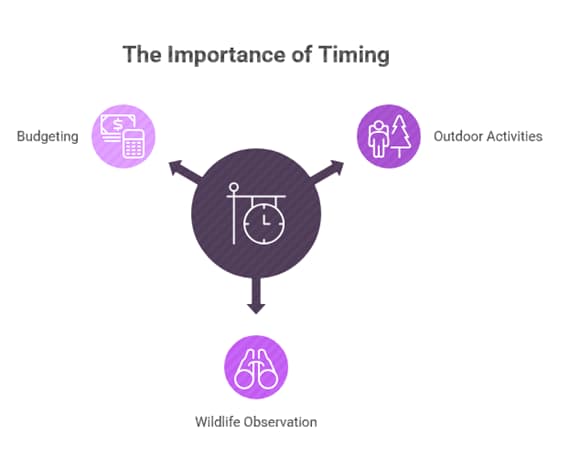
Zanzibar Best Time to Visit: Why Timing Matters for Weather, Wildlife, and Budget
If combining safari with beach, the Zanzibar Best time to visit is when Tanzania’s Great Migration aligns with Zanzibar’s dry months. Zanzibar isn’t just a beach destination—it’s a symphony of seasons, each playing its own unique rhythm. Understanding these patterns transforms your trip from “nice” to unforgettable.
How Zanzibar’s Seasons Affect Your Experience
Zanzibar operates on two distinct seasons shaped by monsoon winds: the dry seasons (June–October and December–February) and the rainy seasons (March–May and November). These aren’t just abstract weather patterns—they determine whether you’ll spend your days snorkeling in gin-clear waters or watching afternoon storms roll in from your balcony. They influence marine visibility, wildlife activity on Tanzania’s mainland, accommodation pricing, and even the mood of the island itself. Full yearly breakdowns are at Zanzibar Best Time to Visit: Complete 2026 Guide.
For Swiss travelers accustomed to the crisp predictability of Alpine seasons, Zanzibar’s tropical climate offers a delightful contrast. While Zurich shivers through December at -2°C, Zanzibar basks in 31°C sunshine. But more importantly, these seasonal shifts create distinct opportunities—from witnessing river crossings during the Great Migration to scoring 40–50% off accommodation during the green season.
Three Good Reasons to Visit at Different Times
Beach perfection seekers should aim for the dry months (June–October), when rainfall drops to just 50–100mm monthly and visibility for diving reaches an impressive 20–30 meters (Expert Africa). The Kusi winds from the south bring cooler air and calmer seas, creating optimal conditions for snorkeling, diving, and lounging without the oppressive humidity.
Wildlife enthusiasts who want to combine Zanzibar with a Tanzania safari should align their visit with the Great Migration’s most dramatic moments. June through October coincides with the Mara River crossings in the northern Serengeti, where thousands of wildebeest brave crocodile-infested waters. Alternatively, December through February captures the calving season in the southern Serengeti, when hundreds of baby wildebeest are born daily and predators gather for the feast.
Budget travelers should seriously consider March through May, when Zanzibar enters its “green season.” Yes, you’ll encounter afternoon rains (April sees up to 385mm), but accommodation costs plummet by 40–50%, crowds vanish, and the island transforms into a lush, photogenic paradise. For detailed budget strategies, explore our complete guide on how to plan a budget-friendly trip to Zanzibar.
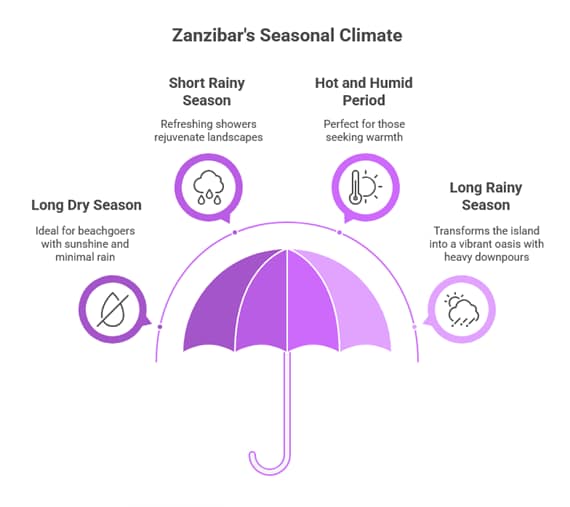
Zanzibar’s Four Seasons Explained
Travelers on a budget often find the Zanzibar Best time to visit is during the green season when prices significantly drop. Understanding Zanzibar’s seasonal personality helps you choose your perfect window. Let’s break down what each period offers.
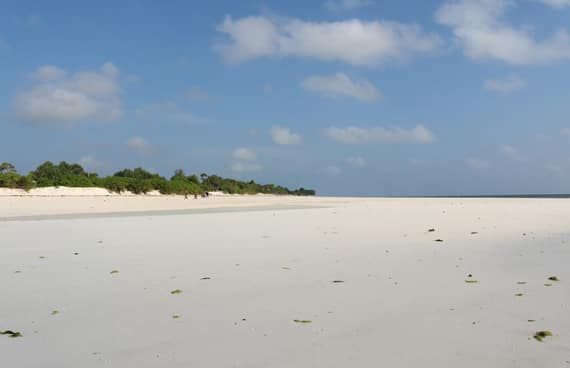
June–October: Peak Dry Season (Cool, Sunny, Perfect for Beaches & Safaris)
This is Zanzibar’s blockbuster season—and for good reason. Temperatures hover comfortably between 25–30°C during the day, dropping to a pleasant 20°C at night. Rainfall averages just 50–100mm per month, meaning you’ll see more sunshine than clouds. The Kusi winds from the Indian Ocean bring dry air and calm seas, creating near-perfect conditions for beach activities.
But here’s what really sets this period apart: it’s the best time for diving and snorkeling, with visibility reaching 20–30 meters at sites like Mnemba Atoll and Chumbe Island. Marine life thrives in the clear waters—expect encounters with sea turtles, dolphins, reef fish, and occasionally whale sharks.
This window also aligns perfectly with the Great Migration’s most dramatic phase. July through September brings the iconic Mara River crossings in northern Serengeti, where you can witness one of nature’s most spectacular events before unwinding on Zanzibar’s beaches. For Swiss travelers, this timing is ideal—direct flights from Zurich with SWISS operate regularly, and booking 4–6 months in advance secures the best rates (around CHF 876–1,200 round-trip).
Activities to prioritize: Diving at Mnemba Atoll, spice tours (clove harvests peak in July–September), Stone Town walking tours, dhow sailing, kitesurfing at Paje, attending the Zanzibar International Film Festival (ZIFF) in July, and planning that safari-beach combo. For a complete breakdown of seasonal activities, check out our guide on top activities in Zanzibar for every season.
Crowd level: HIGH. Expect popular beaches like Nungwi and Kendwa to be bustling, and book accommodations at least 3–6 months in advance.
What to pack: Lightweight breathable fabrics, light fleece for cooler evenings, snorkeling gear, reef-safe sunscreen, and modest clothing for cultural respect. For the complete seasonal checklist, visit our packing guide for Zanzibar.
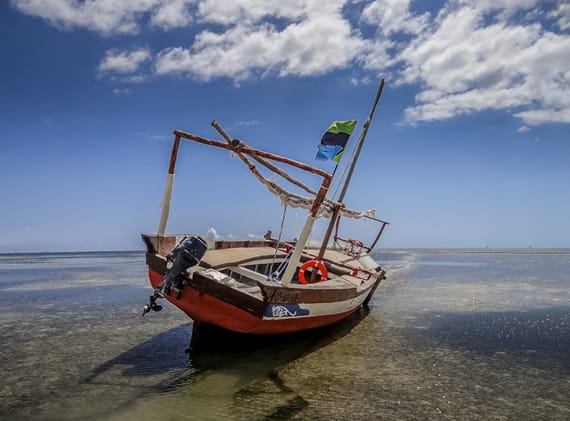
December–February: Short Dry Season (Warm, Festive, Water Sports)
Understanding your priorities helps you decide the Zanzibar Best time to visit that suits you best, whether for adventure, relaxation, or budget. If you prefer your paradise hot, this is your window. Temperatures soar to 28–32°C, with sea temperatures reaching a bathwater-warm 28–29°C. Rainfall is minimal (54–86mm monthly), though you might experience brief afternoon showers that cool things down and vanish as quickly as they arrive.
This period coincides with the calming Kaskazi winds from the northeast, creating flat seas perfect for swimming, snorkeling, and especially kitesurfing. Paje and Jambiani beaches transform into kitesurfing havens, with steady winds and shallow lagoons ideal for beginners and pros alike.
Wildlife enthusiasts should note that December through February also offers excellent safari opportunities. This is the calving season in Tanzania’s southern Serengeti, when hundreds of thousands of baby wildebeest are born—a spectacular sight accompanied by intense predator activity. Combine this with Zanzibar’s festive atmosphere during the holidays, and you have a winning combination.
Cultural highlight: February hosts the Sauti za Busara music festival in Stone Town, East Africa’s premier celebration of Swahili and African music, featuring live performances, cultural workshops, and parades. Additionally, January through March marks sea turtle nesting season, offering unique conservation tour opportunities.
Activities to prioritize: Kitesurfing (especially at Paje), water sports, snorkeling and diving (visibility 15–25m), attending Sauti za Busara Festival, sea turtle conservation tours, and combining with a calving season safari. Learn more about seasonal activities in our activities guide for Tanzania Zanzibar for Every Season (Updated 2025-2026).
Crowd level: HIGH, especially during Christmas and New Year’s. European school holidays mean families flock to Zanzibar, so book early.
What to pack: Lightweight, breathable clothing, swimwear with modest coverage, light rain jacket for brief showers, kitesurfing gear (if planning to kite), and high SPF reef-safe sunscreen. See our Packing List Tanzania Zanzibar: Complete Guide 2026 for details.
March–May: Long Rains (Wet, Green, Budget-Friendly)
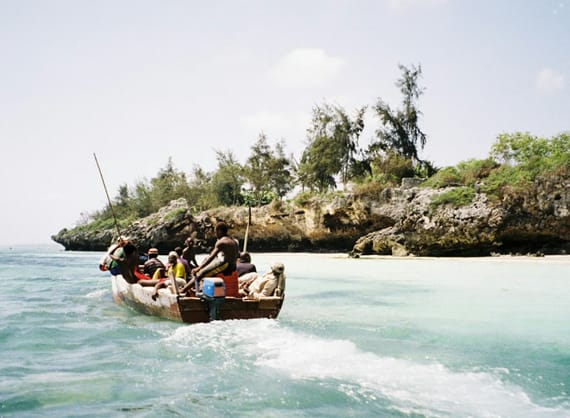
Let’s be honest—March through May isn’t Zanzibar’s glamorous season. April alone can see up to 385mm of rainfall, with afternoon thunderstorms becoming a daily ritual. The humidity climbs, some lodges close for maintenance, and marine visibility drops due to plankton blooms and rougher seas.
But here’s what guidebooks often miss: this is Zanzibar’s most authentic and budget-friendly season. Accommodation costs drop by 40–50%, beaches empty out, and local life continues uninterrupted by tourist crowds. The landscape transforms into lush, vibrant greenery—a photographer’s dream—and you’ll have iconic spots like Stone Town’s narrow alleys and Forodhani Gardens almost to yourself.
Culturally, this period offers deeper immersion. Without hordes of tourists, you can engage more meaningfully with locals, negotiate better prices for tours, and experience Zanzibar’s slower, more contemplative rhythm. The morning rains often clear by afternoon, leaving fresh air and dramatic cloud formations perfect for capturing moody, atmospheric photos.
Who should visit now? Budget-conscious travelers, photographers seeking dramatic landscapes, culture seekers wanting authentic interactions, and anyone who doesn’t mind trading guaranteed sunshine for solitude and savings. For detailed cost breakdowns, see our guide on planning a budget-friendly trip to Zanzibar.
Activities to prioritize: Stone Town cultural tours, spice farm visits (lush and aromatic after rains), Jozani Forest walks to see red colobus monkeys, quiet beach time, local market exploration, and photography.
Crowd level: LOW. Many resorts offer special “green season” rates, and you’ll often have beaches nearly to yourself.
What to pack: Packable rain jacket, quick-dry clothing, waterproof bag for electronics, umbrella, reef shoes, and still plenty of sunscreen—UV intensity remains high even when cloudy. Our Packing List Tanzania Zanzibar: Complete Guide 2026 covers all essentials.
November: Short Rains (Sporadic Showers, Lush Green)
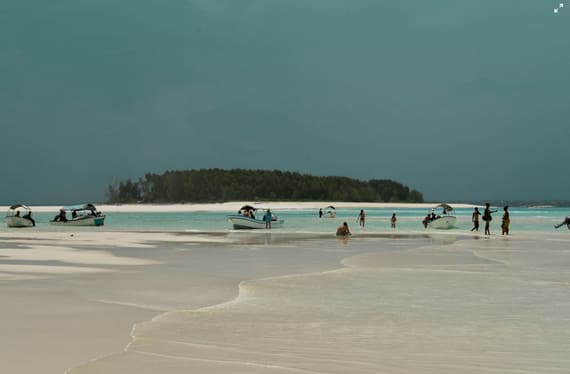
November sits in a sweet spot—it’s technically the start of the “short rains,” but compared to March–May, it’s far more manageable. Rainfall averages 216mm, typically arriving in brief morning or afternoon showers that leave the rest of the day sunny and pleasant. Temperatures hover around 28–30°C, humidity is moderate, and the island glows with post-rain greenery.
Think of November as the shoulder season sweet spot. You’ll still find decent weather for beach activities and snorkeling (visibility 10–20m), but accommodation prices drop by 20–30% compared to peak season. Crowds thin out after October’s peak tourism, tour operators have more flexibility, and you’ll have better negotiating power for excursions.
Who should visit? Travelers seeking balance between good weather and budget savings, honeymooners avoiding peak-season crowds, and those who don’t mind occasional showers interrupting beach time.
Activities to prioritize: Beach time with lower crowds, diving (still good visibility), cultural events (Eid celebrations if timing aligns with Ramadan), exploring Stone Town, and starting to plan for the upcoming dry season.
Crowd level: MEDIUM to LOW. Popular beaches like Nungwi still see visitors, but you won’t fight for beach chairs.
Combining Zanzibar with a Tanzania Safari: The Ultimate Itinerary
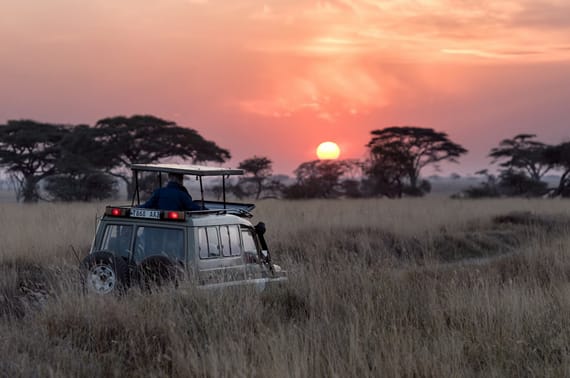
Here’s a travel secret Swiss adventurers know well: Zanzibar isn’t just a beach destination—it’s the perfect finale to a Tanzania safari. After days tracking the Great Migration across the Serengeti’s endless plains and descending into Ngorongoro Crater’s wildlife wonderland, sinking your toes into Zanzibar’s powdery sand feels like the reward you didn’t know you needed.
Why Safari + Beach is the Perfect Pairing
Tanzania’s northern safari circuit and Zanzibar were practically designed to complement each other. The safari provides adrenaline, early wake-ups, and unforgettable wildlife encounters, while Zanzibar offers restoration, cultural discovery, and the kind of relaxation that resets your soul. The internal flight from Serengeti to Zanzibar takes just 1–2 hours, making the transition seamless.
For Swiss travelers, Zamani Voyage specializes in exactly this combination. Their 14-day packages include 8 days of safari (covering Serengeti, Ngorongoro Crater, and Tarangire or Lake Manyara) followed by 6 days on Zanzibar, with everything coordinated from Zurich—flights, small-group departures (8–12 guests), Swiss tour leadership, and accommodations ranging from 3-star to 5-star depending on your preference. Pricing ranges from CHF 6,790 for 3-star packages to CHF 9,990 for 5-star luxury, all-inclusive from Zurich with full-board on safari and half-board on Zanzibar.
Best Months to Combine Both
June through October is the gold standard for combining safari and beach. This window captures the Great Migration’s northern Serengeti phase, including the iconic Mara River crossings (July–September), when wildebeest brave crocodile-infested waters in one of nature’s most dramatic spectacles. The dry season means excellent wildlife visibility, minimal mud, and perfect beach weather on Zanzibar—temperatures around 25–30°C, crystal-clear waters, and optimal diving conditions.
December through February offers an equally compelling (but different) experience. This period showcases the calving season in the southern Serengeti, where hundreds of thousands of baby wildebeest are born between late January and February. Predators—lions, cheetahs, hyenas—gather for the feast, creating unparalleled action. On Zanzibar, you’ll enjoy warmer temperatures (28–32°C), calm seas perfect for snorkeling, and festive vibes during the holiday season.
March through May is the budget traveler’s window. Safari lodge prices drop significantly (often 30–40% lower), and while you’ll encounter afternoon rains, morning game drives are typically excellent—animals gather around remaining water sources, and the landscape is lush. Zanzibar’s green season means fewer tourists, lower accommodation costs, and authentic local interactions. Just manage expectations around beach weather.
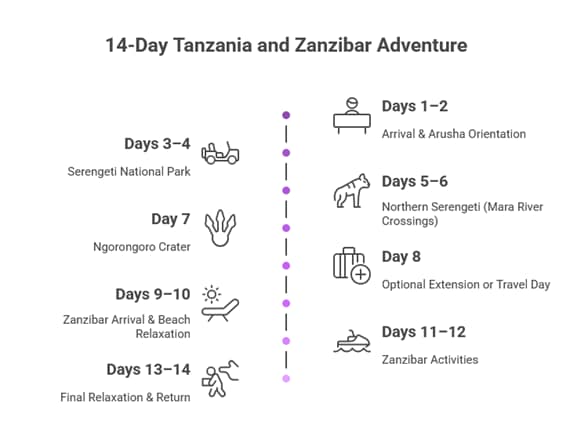
Sample 14-Day Itinerary
Days 1–2: Arrival & Arusha Orientation
Fly Zurich to Kilimanjaro International (9–11 hours), overnight in Arusha. Acclimatize, meet your Swiss tour leader, and prep for safari.
Days 3–4: Serengeti National Park
Fly to Serengeti (1 hour). Game drives in the central Seronera region (dry season) or northern Kogatende region (July–September for river crossings). Stay in tented camps or lodges.
Days 5–6: Northern Serengeti (Mara River Crossings)
Focus on the Mara River during July–September. Witness wildebeest crossings, predator action, and Big Five sightings. Optional hot air balloon safari at sunrise.
Day 7: Ngorongoro Crater
Descend into the world’s largest intact volcanic caldera—home to 25,000+ animals including rare black rhinos. Full-day game drive, then overnight on the crater rim.
Day 8: Optional Extension or Travel Day
Visit Tarangire National Park (famous for elephants) or Lake Manyara (tree-climbing lions), or use as a travel buffer day.
Days 9–10: Zanzibar Arrival & Beach Relaxation
Fly Serengeti or Arusha to Zanzibar (1–2 hours). Check into your beach resort—whether Nungwi’s lively scene, Kendwa’s luxury, or Paje’s kitesurfing vibe. Spend these days unwinding, snorkeling, and easing into island time.
Days 11–12: Zanzibar Activities
Day 11: Take a spice tour to explore Zanzibar’s aromatic history (clove, vanilla, cardamom plantations), or snorkel at Mnemba Atoll for encounters with sea turtles and reef fish. Day 12: Explore Stone Town’s UNESCO World Heritage sites—Old Fort, House of Wonders, Forodhani Gardens, and Darajani Market. Sunset at a rooftop bar.
Days 13–14: Final Relaxation & Return
Final beach day, spa treatments, sunset dhow sail. Evening flight back to Zurich (arriving morning of Day 15).
For a complete deep dive on itinerary planning, timing, and logistics, explore our detailed guide: Tanzania with Zanzibar: 14-Day Itinerary Guide 2026.
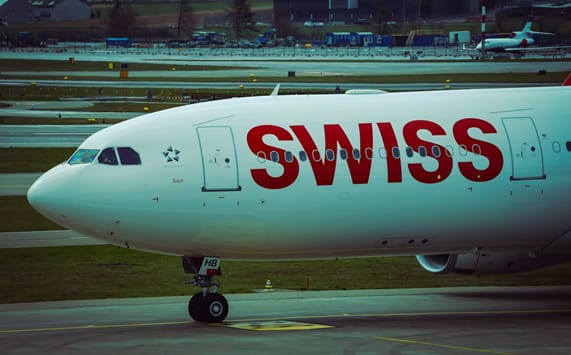
Switzerland to Zanzibar: Your Swiss Traveler’s Guide
Planning from Switzerland comes with unique advantages—and a few considerations worth knowing.
Flight Times, Airlines & Booking Tips
SWISS operates regular connections from Zurich to Zanzibar via Dar es Salaam, typically with one stopover. Total travel time averages 10–11 hours (including layover), with round-trip fares starting around CHF 876–1,200 depending on season and booking timing. Alternative carriers include Qatar Airways (via Doha), Ethiopian Airlines (via Addis Ababa), and Turkish Airlines (via Istanbul), often with competitive pricing.
Booking window matters. Swiss travelers planning for June–October or December–February should book 4–6 months in advance to secure optimal fares and seat availability. Shoulder season travel (March–May, November) offers more flexibility, sometimes with deals appearing 6–8 weeks before departure.
Visa requirements: Swiss citizens can obtain a tourist visa on arrival for USD 50 (valid 90 days) or apply online in advance through Tanzania’s e-visa system. Ensure your passport is valid for at least 6 months beyond your travel dates.
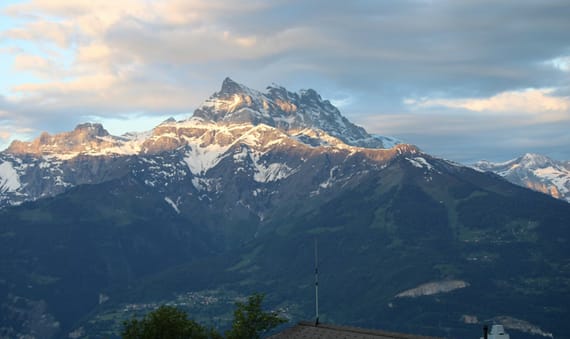
Swiss Weather Comparisons
Here’s a perspective that resonates: when Zurich shivers through January at -2°C with grey skies, Zanzibar basks in 32°C sunshine with turquoise seas at 28°C. Zanzibar’s “winter” (June–August) feels like a perfect Swiss summer day—25–30°C, low humidity, sunny skies—except it lasts all day, every day, with ocean breezes keeping you comfortable.
For Swiss travelers escaping February’s cold, Zanzibar offers a 30-degree temperature swing—from Zurich’s 2°C to Zanzibar’s 32°C. It’s the kind of contrast that makes you question why you ever tolerate snow .
Seasonal mindset shift: Unlike the Swiss Alps’ four distinct seasons, Zanzibar operates on “dry” and “green” seasons. There’s no autumn foliage or spring blooms—just variations in rainfall, wind patterns, and ocean conditions. This consistency means Zanzibar always “works” for beach time; it’s just a matter of optimizing for your preferences.

What to Pack & How to Prepare
Packing for Zanzibar requires balancing tropical beach vibes with cultural sensitivity. Remember: Zanzibar is a predominantly Muslim island, so modest dress outside of beach resorts shows respect.
Seasonal Packing Essentials
Year-round must-haves: Lightweight, breathable fabrics (linen, cotton); SPF 50+ reef-safe sunscreen; wide-brimmed hat; sunglasses; modest swimwear; clothes covering shoulders and knees for Stone Town; comfortable walking shoes; sandals; mosquito repellent (DEET-based); universal power adapter (Type G for Tanzania); passport valid 6 months+; travel insurance docs; and cash (USD or Tanzanian Shillings).
Dry season (June–October): Add a light fleece or cardigan for cooler evenings (temperatures can drop to 20°C at night), snorkeling gear if you prefer your own, and sturdy walking shoes for spice tours .
Hot season (December–February): Focus on breathable tank tops, lightweight shorts/skirts (knee-length), quick-dry fabrics, and a packable rain jacket for brief showers.
Rainy season (March–May, November): Bring a waterproof rain jacket, quick-dry clothing, waterproof bag for electronics, umbrella, and reef shoes for muddy terrain.
Cultural considerations: Pack at least one outfit covering shoulders and knees for visiting Stone Town, mosques, or local villages. Women should consider bringing a lightweight scarf—it’s versatile for sun protection, temple visits, and showing cultural respect.
For a complete, season-by-season breakdown, check out our comprehensive guide: What to Pack for Zanzibar: A Complete Seasonal Checklist.
Respecting Local Culture
Zanzibar’s predominantly Muslim culture values modesty, especially outside tourist zones. While bikinis and swimwear are acceptable on resort beaches, cover up when walking through towns, markets, or villages. Avoid public displays of affection, ask permission before photographing locals, and dress conservatively (shoulders and knees covered) when visiting religious sites.
These small gestures of respect enhance your experience—locals appreciate the effort and often respond with warmth and openness.
Beaches by Season: Where to Go and When
Zanzibar’s beaches aren’t one-size-fits-all. Each coast offers distinct personalities shaped by geography, tides, and wind patterns.
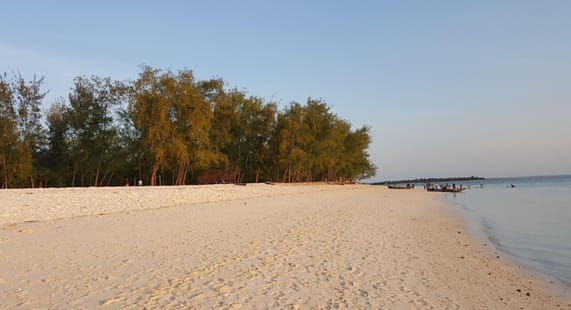
Northern Beaches (Nungwi, Kendwa): Year-Round Swimming
Nungwi and Kendwa beaches on the northern tip experience minimal tidal changes, meaning you can swim any time of day, year-round. Nungwi offers a bustling, social atmosphere with restaurants, bars, and easy access to diving and snorkeling sites. Kendwa, just a short walk west, provides a quieter, more upscale vibe with luxury resorts and soft, pristine sand.
Best months: June–October for comfortable temperatures (25–30°C), excellent visibility, and optimal diving conditions; December–February for warm, festive vibes.
Avoid: April (peak rains), though even then, northern beaches remain relatively accessible.
Accommodation range: Budget hostels ($25–50/night) to luxury resorts like Zuri Zanzibar ($400–1,500/night).
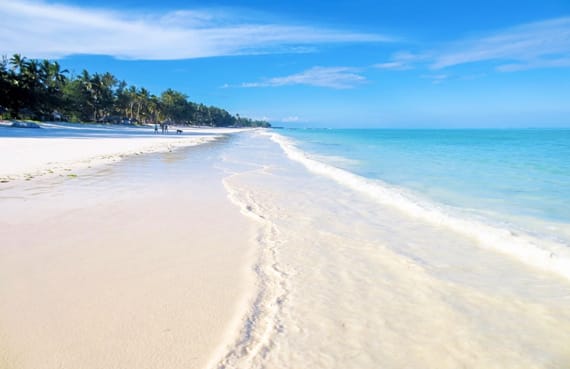
Image credit: https://www.awaygowe.com/jambiani-beach-zanzibar/
Eastern Beaches (Paje, Jambiani): Tidal Considerations
Paje and Jambiani on the southeast coast experience dramatic tidal shifts—at low tide, the ocean recedes up to a kilometer, revealing shallow lagoons perfect for kitesurfing and wading. At high tide, you can swim and snorkel directly from shore.
Paje is Zanzibar’s kitesurfing capital, drawing adventurers June through October when steady Kusi winds create ideal conditions. The vibe is young, social, and laid-back, with budget-friendly guesthouses and beachfront shacks serving fresh seafood.
Jambiani offers a more authentic, local experience. It’s a working fishing village where seaweed farming remains a primary livelihood. Expect genuine cultural interactions, fewer tourists, and more opportunities to see traditional Zanzibari life.
Best months: June–October (dry, strong winds for kitesurfing, manageable tides); December–February (warm, calmer for swimming).
Avoid: March–April (heavy rains, seaweed buildup, rough seas).
Tide tip: Check tide tables before planning daily activities—low tide is ideal for kite-surfing and exploring tide pools; high tide is best for swimming and snorkeling.
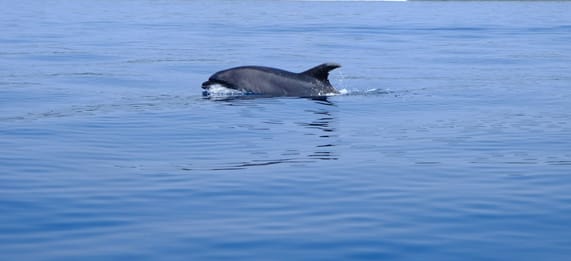
Best for Wildlife: Kizimkazi (Dolphins)
Kizimkazi on the southern coast is famous for year-round dolphin tours. Bottlenose and humpback dolphins frequent the waters, and early morning boat trips offer the best sighting chances. While dolphins are present year-round, visibility and sea conditions are optimal during the dry season (June–October).
Kizimkazi is also a working fishing village, offering a glimpse into traditional coastal life. It’s about 1.5–2 hours from Stone Town or northern beaches, making it perfect for a day trip.
Best months: August–September (dry season, calm seas, excellent visibility).
For a comprehensive breakdown of all beaches, tides, and when to visit each, explore our complete guide: A Guide to Zanzibar’s Beaches: Which to Visit and When.

Budget Breakdown: How Much Does It Cost?
Let’s talk money—because knowing what to expect helps you plan smarter.
Flights from Switzerland
Round-trip flights from Zurich to Zanzibar average CHF 876–1,200, depending on season, booking timing, and carrier. Peak season (June–October, December–February) commands higher fares, while shoulder season (March–May, November) offers deals, sometimes dipping to CHF 750–900.
Accommodation Options (Budget, Mid-Range, Luxury)
Budget: $20–50/night for guesthouses in Stone Town, hostels in Nungwi or Paje. Expect basic amenities, shared bathrooms (sometimes), and a social atmosphere.
Mid-range: $80–150/night for boutique hotels, beachfront lodges, or 3–4-star resorts with private bathrooms, pools, and on-site restaurants.
Luxury: $250–1,500+/night for 5-star resorts like Zuri Zanzibar (Kendwa), The Mora Zanzibar, or private villas with all-inclusive packages, spa treatments, and premium dining.
Daily Costs
Food: $10–20/day (budget—local street food, markets); $20–40/day (mid-range—mix of local and tourist restaurants); $50+/day (luxury—resort dining, fine dining).
Activities: Spice tours $20–40; snorkeling day trips $50–80; diving (2 dives) $80–120; dolphin tours $40–70; Stone Town walking tours $15–30.
Transportation: Dala dalas (local minibuses) $1–3 per ride; tourist taxis $20–50 depending on distance; airport transfers $40–60.
When to Travel Cheap (Off-Peak Savings)
March through May offers the steepest discounts—accommodation prices drop by 40–50%, and many lodges run “green season” promotions. November sees 20–30% savings compared to peak season, with more reliable weather than the long rains.
Example 7-day budget: CHF 1,800–2,000 (flights CHF 900, accommodation CHF 150–250, food CHF 420, activities CHF 200, transport CHF 130).
For a detailed cost breakdown and money-saving strategies, see our complete guide: How to Plan a Budget-Friendly Trip to Zanzibar.
Planning Your Zamani Voyage Experience
If the logistics of coordinating flights, safari bookings, beach resorts, and internal transfers sound overwhelming, you’re not alone. That’s precisely why Zamani Voyage exists.
Why Zamani Voyage’s Timing Matters
Zamani Voyage specializes in 14-day Tanzania safari and Zanzibar beach packages specifically designed for Swiss travelers. Every departure includes direct flights from Zurich, Swiss tour leadership, small-group sizes (8–12 guests), and seamless coordination between safari lodges and beach resorts. They offer multiple departure dates throughout 2026, timed to capture the best wildlife seasons—June–October for Great Migration river crossings and December–February for calving season.
Packages That Combine Safari + Zanzibar
Zamani Voyage offers tiered packages to match different budgets and comfort preferences:
- 3-Star Package (CHF 6,790/person): 8 days safari (full-board) + 6 days Zanzibar (half-board), comfortable 3-star lodges, flights from Zurich included, Swiss tour leader, all internal transfers.
- 4-Star Package (CHF 7,790/person): Enhanced comfort with 4-star accommodations, similar itinerary and inclusions.
- 5-Star Luxury Package (CHF 9,290–9,990/person, with occasional promotions): Premium 5-star lodges and resorts, all meals on safari, half-board on Zanzibar, exclusive locations, enhanced services.
All packages include flights from Zurich, internal flights (Serengeti–Zanzibar), game drives, park fees, accommodations, and Swiss tour leadership—eliminating the stress of DIY planning.
Small-Group Advantage (8–12 Guests, Swiss Tour Leader)
Unlike mass-market tours cramming 20–40 people into buses, Zamani Voyage caps groups at 8–12 guests. This creates a more intimate experience, allows flexibility in itineraries, and ensures your Swiss tour leader can provide personalized attention. You’re also connected to the Swiss travel guarantee fund, offering financial security and peace of mind—critical for milestone trips.
The Swiss tour leadership means someone fluent in German, familiar with Swiss travel expectations, and trained to handle logistics seamlessly. No language barriers, no cultural misunderstandings—just smooth, well-coordinated travel from Zurich to Serengeti to Zanzibar and back (Zamani Voyage).
FAQ: Your Zanzibar Timing Questions Answered
1. What’s the ABSOLUTE best month to visit Zanzibar?
If you can only pick one month, August edges ahead. It offers the sweet spot of dry season reliability (25–30°C, minimal rain), excellent diving and snorkeling visibility (20–30m), peak Great Migration viewing on safari (Mara River crossings), and slightly fewer crowds than July. That said, July, September, and January are all exceptional depending on your priorities.
2. Can I combine a Zanzibar beach break with a Tanzania safari?
Absolutely—and it’s highly recommended. The internal flight from Serengeti to Zanzibar takes just 1–2 hours, making the transition seamless. June–October aligns with the Great Migration’s river crossings, while December–February captures the calving season. Zamani Voyage’s 14-day packages (8 days safari, 6 days beach) are purpose-built for this combination, with flights from Zurich, Swiss tour leaders, and all logistics handled.
3. Is it cheaper to visit during rainy season?
Yes—significantly. March through May sees accommodation costs drop by 40–50%, with many lodges offering “green season” specials. November offers 20–30% savings with more manageable rainfall. You’ll trade guaranteed sunshine for budget-friendly prices, fewer crowds, and authentic cultural experiences. If you’re flexible and don’t mind afternoon showers, this can be an excellent time to visit.
4. What should Swiss travelers expect flight-wise?
SWISS operates regular connections from Zurich to Zanzibar via Dar es Salaam, with total travel time around 10–11 hours including layover. Round-trip fares range from CHF 876–1,200 depending on season and booking timing. Book 4–6 months ahead for peak season (June–October, December–February) to secure best rates. Swiss citizens need a tourist visa (USD 50, available on arrival or online). Alternative carriers include Qatar Airways, Ethiopian Airlines, and Turkish Airlines.
5. What’s the weather like in November—should I go?
November sits in the “short rains” window, with about 216mm of rainfall typically arriving in brief morning or afternoon showers rather than all-day downpours. Temperatures hover around 28–30°C, humidity is moderate, and you’ll still enjoy plenty of sunny beach time. The trade-off? Accommodation prices drop 20–30%, crowds thin, and you’ll have beaches largely to yourself. If you’re flexible and prefer value over guaranteed perfect weather, November is a smart shoulder-season choice.
Final Thoughts: Your Perfect Zanzibar Awaits
Zanzibar doesn’t have one “best” time—it has your best time, shaped by what matters most to you. Whether that’s diving into crystal-clear waters during the dry season, witnessing the Great Migration before unwinding on pristine sands, or embracing the green season’s authenticity and savings, this island rewards those who time their visit thoughtfully.
For Swiss travelers seeking a seamless, well-coordinated experience, Zamani Voyage’s packages eliminate the guesswork. With flights from Zurich, Swiss tour leadership, small-group intimacy, and carefully timed departures aligned with Tanzania’s wildlife seasons, they’ve perfected the safari-beach combination that transforms good trips into unforgettable journeys.
Start planning your Zanzibar escape today—because paradise isn’t just a place; it’s a moment perfectly timed.
About Zamani Voyage:
Specializing in Tanzania safari and Zanzibar beach experiences for Swiss travelers, Zamani Voyage offers curated 14-day packages with flights from Zurich, Swiss tour leadership, small-group departures (8–12 guests), and accommodations ranging from 3-star to 5-star luxury. Learn more at zamani-voyage.ch.


