

Choosing Your Zanzibar Island Experience
When visiting Zanzibar Island, you’ll discover it isn’t a single destination—it’s an archipelago of 50+ islands, each with distinct character, attractions, and travel experiences. Your choice of Zanzibar Island or its neighbors dramatically shapes your beach experience.
Zanzibar Island (Unguja) is the main tourism hub, offering cultural immersion, activity options, and varied beaches. Pemba Island attracts divers and nature lovers seeking authenticity and solitude. Mnemba Island represents ultra-luxury exclusivity. Mafia Island offers marine adventure and whale sharks.
Understanding each island’s unique appeal helps you select the perfect beach finale to your safari experience.
Discover the perfect balance between bush and beach in our post, The Complete Guide to Combining Tanzania Safari with Zanzibar Beach Holiday in 2026.
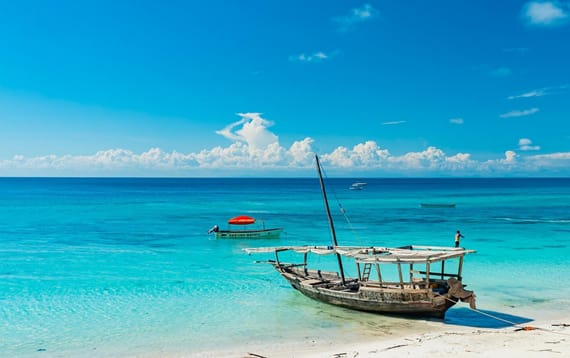
Zanzibar Island (Unguja): The Hub – Culture, Activity & Beaches
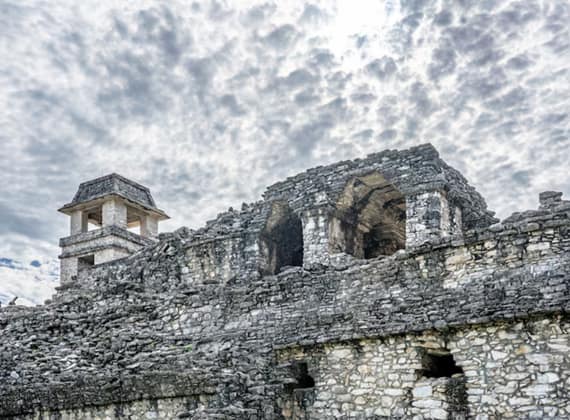
Stone Town: A UNESCO World Heritage Step Back in Time
Stone Town is the historic heart of Zanzibar Island, a UNESCO World Heritage Site preserving centuries of Swahili, Arab, Indian, and Persian influence. Walking through Stone Town’s narrow cobbled streets feels like stepping into history.
Architecture & atmosphere: 19th-century buildings feature ornate wooden doors, carved lintels, and traditional carved furniture. The architecture reflects Zanzibar’s position as a historic trading hub where African, Arab, Indian, and European cultures intersected. The narrow streets, small squares, and unexpected vistas create a maze-like environment rewarding to explore.
Historical sites: The Old Fort (built 1698 by Arabs), slave market site (now a sobering museum and memorial), and palace ruins tell stories of Zanzibar’s complex history. The Anglican Cathedral, built on the former slave market site, carries profound historical weight.
Markets & commerce: Stone Town’s spice and fish markets pulse with authentic local activity. Vendors selling fresh produce, spices, and daily goods provide genuine Swahili cultural immersion. Shopping here differs dramatically from tourist-focused shops.
Dining & hospitality: Stone Town offers excellent restaurants featuring fresh seafood and traditional Swahili cuisine. The rooftop restaurants with Old Town views combine excellent food with atmospheric experiences.
Best for: Cultural enthusiasts, historians, photographers seeking authentic character, travelers interested in heritage and storytelling.
Guided tours: Half-day walking tours with expert guides provide historical context and navigate the labyrinthine streets efficiently.
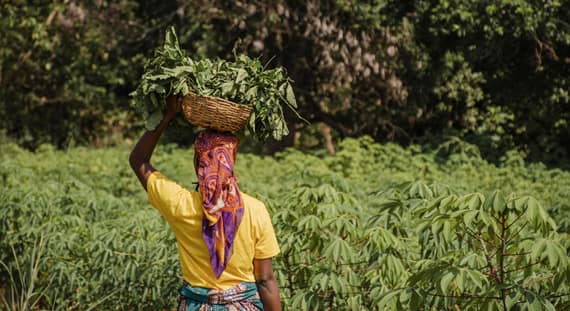
Spice Farms & Agricultural Tours
Zanzibar Island’s economic history centers on spice production. The islands produce approximately 80% of world clove production, plus nutmeg, cinnamon, cardamom, and vanilla.
Farm experience: Half-day spice farm tours allow you to walk through working plantations, see spices growing, and meet local farmers. The experience includes tasting fresh spices prepared at farm restaurants.
Agricultural learning: Tours explain harvesting methods, processing techniques, and economic importance of spice production. You’ll understand why Zanzibar Island historically attracted traders from across the Indian Ocean.
Authentic interaction: Farm tours provide genuine cultural connection with local communities. Guides explain daily life, family farming traditions, and agricultural challenges.
Best time: Year-round available, but clove harvest season (September–October) provides the most active farming activity to observe.
Cost: Typically $25–$40 per person for half-day tours.
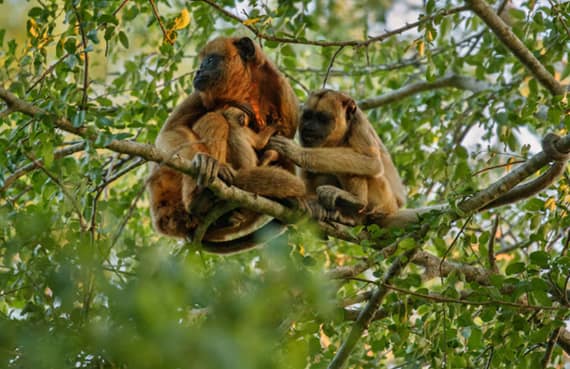
Jozani Forest & Red Colobus Monkeys
Jozani Forest is Tanzania’s only protected indigenous forest, protecting an endangered species found nowhere else on Earth: Kirk’s red colobus monkey.
The monkeys: Red colobus monkeys are endemic to Zanzibar Island, with only 2,000–3,000 individuals remaining. They’re medium-sized primates with distinctive red coloring. Guided forest walks feature good probability (80%+) of monkey sightings in small groups.
Mangrove boardwalks: Beyond monkeys, Jozani includes boardwalks through mangrove swamps, providing education about mangrove ecosystems. The swamps support fish, crabs, and bird species essential to Indian Ocean food chains.
Conservation education: The forest protects not just red colobus monkeys but also other endangered species. Tours emphasize conservation challenges and success stories.
Best for: Nature lovers, those interested in endemic species, photographers, families wanting low-intensity outdoor activity.
Best time: June–October for optimal weather and forest accessibility.
Cost: $20–$30 per person for guided tours.
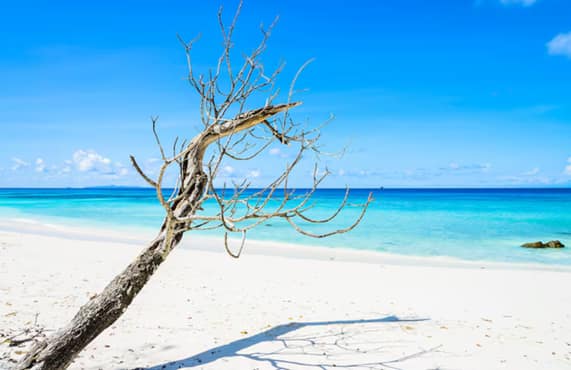
Beaches: Nungwi, Kendwa & Paje
Zanzibar Island features multiple beach options, each with distinct character, water conditions, and atmosphere.
Nungwi Beach (North): Nungwi is Zanzibar Island’s most developed beach area, famous for calm, clear waters perfect for swimming and families. The beach village offers numerous restaurants, bars, and water sports. Beach dhow sailing, snorkeling, and diving are readily available. Accommodation ranges from budget guesthouses ($30–$60/night) to luxury resorts ($400–$1,000/night). The atmosphere is vibrant, social, and tourist-oriented.
Kendwa Beach (Northwest): Kendwa offers a quieter alternative to Nungwi, featuring a long sandy beach with calm waters. The village is smaller, less commercialized, and more peaceful. Kendwa is known for authentic dhow sailing experiences and sunset beach bars. Accommodation is mid-range to budget ($40–$200/night). The vibe is more authentically Swahili than Nungwi.
Paje Beach (East): Paje features a long, shallow, powder-sand beach perfect for photography and kite surfing. The beach remains peaceful, with fewer tourists than Nungwi or Kendwa. Water conditions change dramatically with tide (can be very shallow at low tide). Accommodation emphasizes eco-lodges and budget camps ($40–$150/night). The atmosphere is bohemian and adventurous.
Beach comparison table:
| Beach | Water Conditions | Atmosphere | Best For | Accommodation Range |
| Nungwi | Calm, clear year-round | Vibrant, social, developed | Families, water sports, activity | $30–$1,000/night |
| Kendwa | Calm, clear | Authentic, peaceful, social | Dhow sailing, sunset, cultural mix | $40–$200/night |
| Paje | Shallow, tide-dependent | Bohemian, artistic, quieter | Photography, kite surfing, peace | $40–$150/night |
Water sports: All Zanzibar Island beaches offer snorkeling, diving, and dhow sailing. Visibility is best dry season (June–October), 15–25m typical. Water temperature year-round: 24–27°C (75–81°F).
Learn about the unique features of the Serengeti and Ngorongoro in 5 Best National Parks in Tanzania: The Ultimate Guide.
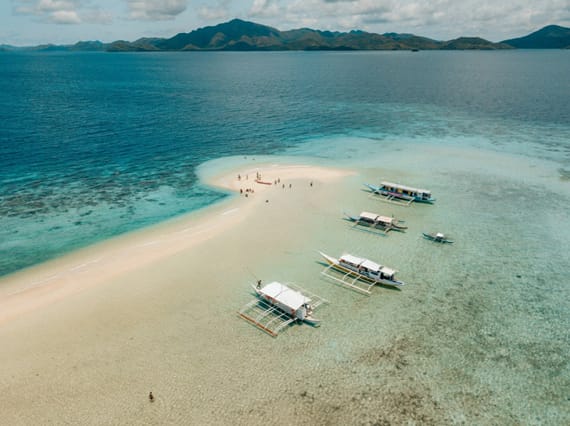
Pemba Island: Quiet Escape for Divers & Nature Lovers
Why Choose Pemba Over Zanzibar?
Located 48 kilometers north of Zanzibar Island, Pemba represents a different Zanzibar experience: quieter, more authentic, less developed.
Dramatically fewer tourists: Pemba attracts roughly 1/10 the visitors of Zanzibar Island. You won’t find the commercialized tourism infrastructure, instead discovering a more authentic Swahili island experience.
Lush, green landscape: Pemba’s forests and mangrove swamps create verdant landscapes different from Zanzibar’s more developed areas. The island maintains significant clove plantation areas.
Practical information: A 30-minute flight from Zanzibar connects the islands. Accommodation options are limited but include unique properties like Manta Resort.
Pemba’s Unique Appeal
Clove farming heritage: Pemba remains a major clove-producing region. Understanding Zanzibar Island and the Archipelago’s agricultural significance requires seeing working farms on both islands.
Traditional ngalawa canoe sailing: Traditional wooden sailing canoes offer authentic cultural experiences. Sunset ngalawa cruises combine traditional navigation with tropical ocean beauty. These experiences feel genuinely local, not tourism performances.
Forest & wildlife: Pemba’s forests support wildlife unavailable elsewhere in Zanzibar. Red colobus monkeys, endemic birds, and forest ecosystems create nature-focused experiences.
Quieter authenticity: Pemba feels genuinely Swahili in ways Zanzibar Island’s tourism infrastructure sometimes obscures. Daily life, local interactions, and authentic experiences feel less curated.
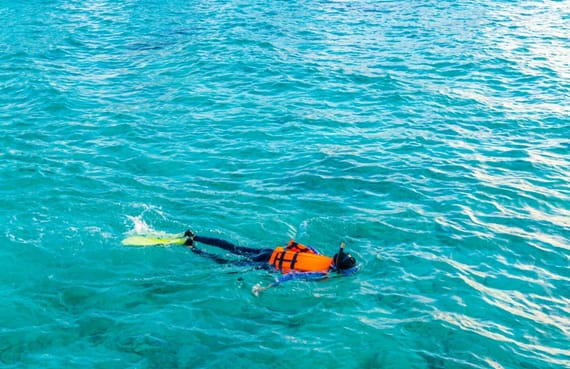
Diving & Water Activities
Drop-off wall diving: Pemba is famous for dramatic coral reef drop-offs where shallow reef suddenly plunges into deep ocean. These underwater walls feature coral gardens, tropical fish, and sometimes larger pelagic species.
Visibility excellence: Dry season (June–October) visibility often reaches 20–40 meters. Even green season (November–March) provides 15–25m visibility.
Specific dive sites:
- Chimps Bank: Notable reef formation with excellent marine life
- Drop-off walls: Multiple dramatic sites
- Coral gardens: Shallow snorkeling-friendly areas
Diving operators: Several PADI-certified dive shops operate from Pemba resorts. Most require certification (advanced open water minimum for deep dives).
Cost: $80–$150 per dive (2-dive days common).
Best time: June–October for optimal visibility and weather.
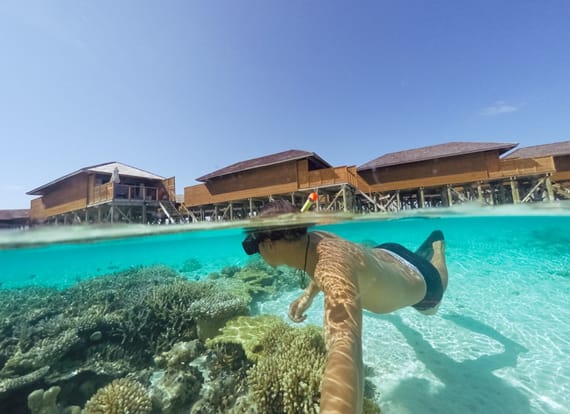
Accommodation on Pemba
Manta Resort ($500–$1,200/night): Unique feature is its underwater observation room—the only accommodation in Zanzibar Archipelago with this amenity. The glass chamber sits below sea level, providing 24-hour marine life viewing. This property epitomizes Pemba’s unique luxury positioning.
Boutique eco-lodges ($150–$400/night): Smaller, environmentally-conscious properties emphasizing sustainability and local employment.
Budget options ($50–$150/night): Simpler guesthouses providing authentic experiences without luxury amenities.
Find a schedule that fits your vacation days in our guide to the Best Tanzania Itinerary Options: 7, 10, & 14 Day Plans.
Best For Whom?
- Divers: Drop-off walls, visibility, unique underwater experiences
- Nature lovers: Forests, authentic wildlife, quieter environment
- Travelers seeking authenticity: Less tourism infrastructure, genuine Swahili culture
- Those valuing solitude: Dramatically fewer tourists
- Photographers: Unique diving landscapes, authentic cultural scenes
Mnemba Island: Ultra-Luxury Private Island Escape
The Mnemba Experience
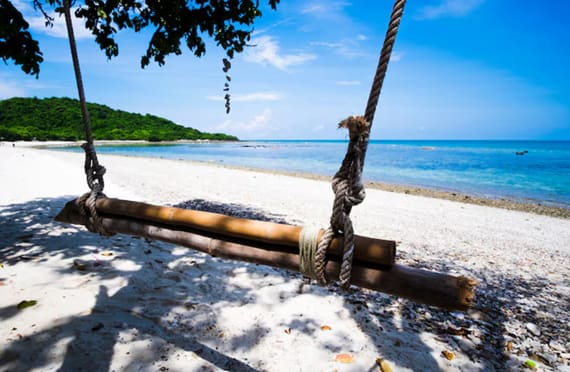
Mnemba Island represents ultimate tropical luxury. This private island, located just off Zanzibar Island’s northeast coast, offers exclusive experiences impossible elsewhere in Zanzibar.
Exclusivity defining: Only one property operates on Mnemba: &Beyond Mnemba Island resort. This exclusive arrangement ensures only 20 guests maximum on the island at any time. You’re sharing this island with fewer people than exist in a small village.
Access: Fifteen minutes by private boat from Zanzibar’s northeast coast. The short transfer bridges the gap between accessibility (easy departure from Zanzibar) and complete exclusivity.
Property design: Spiral-designed palm-frond bandas (traditional huts) blend architecture with nature. Each banda features luxury ensuite bathrooms and private outdoor spaces. Personal butler service throughout stays personalizes every experience detail.
Unique Features
Pristine coral reefs: The Mnemba island’s surrounding waters feature exceptionally healthy coral ecosystems. Snorkeling directly from the beach provides immediate access to vibrant marine environments.
Green turtle conservation: Guests participate in marine conservation through sea turtle monitoring, research support, and habitat protection. This meaningful activity transforms luxury travel into conservation participation.
Exclusivity atmosphere: With 20 guests maximum across several bandas, the island maintains peaceful, intimate atmosphere. You’re not rubbing shoulders with crowds; you’re experiencing private island magic.
All-inclusive pricing: Everything included—meals, activities, snorkeling equipment, conservation programs. No hidden costs, no surprises.
Activities & Experiences
Snorkeling: Direct beach access to pristine reefs. Multiple snorkel sites around island perimeter ensure varied marine life encounters daily.
Turtle observation: Evening beach walks search for nesting females (seasonal). Early morning walks observe hatchlings returning to sea. Research involvement educates guests while supporting conservation.
Sunset experiences: Private beach dinners, boat sundowners, or beach bonfires create romantic moments. Every sunset feels like personal celebration.
Kayaking: Explore mangrove areas and reef edges from sea-level perspective.
Relaxation: Hammocks, beach cabanas, and peaceful silence define non-activity days.

Costs & Logistics
Pricing: $15,000–$20,000+ per night, all-inclusive. This represents ultra-luxury at global standards.
Inclusions: All meals (gourmet), beverages (premium), snorkeling, activities, boat transfers, conservation programs, personal service.
Best for: Honeymoon couples, luxury travelers celebrating special occasions, those seeking ultimate romance and exclusivity.
Booking: Extremely limited availability. Book 6–12 months in advance for peak season (June–October).
Duration: Minimum typically 3 nights; most guests stay 4–5 nights.
If you are unsure whether to fly or sail, check out the Best Transport to Zanzibar: Flight vs Ferry & Logistics in 2025-2026.
Mafia Island: Whale Shark Swimming & Marine Adventure
The Mafia Difference
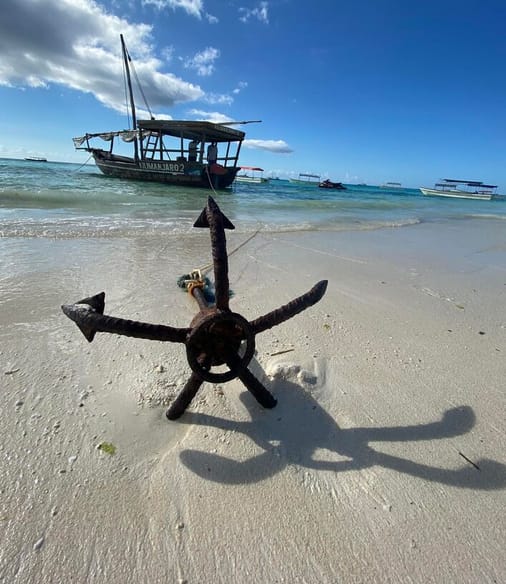
Located 50 kilometers south of Zanzibar Island, Mafia Island offers a distinctive marine adventure: whale shark swimming during their seasonal aggregation.
Not officially Zanzibar: Mafia Island isn’t part of Zanzibar Archipelago administratively, but geographically close and easily accessible. It remains less developed, more adventure-focused than Zanzibar islands.
Marine focus: Mafia emphasizes ocean experiences: snorkeling, diving, whale sharks, traditional fishing experiences. It attracts marine enthusiasts over cultural tourists.
Access: Flight from Zanzibar (1 hour) or ferry (3–4 hours). Most visitors fly due to shorter travel time.
Whale Shark Season: November–March
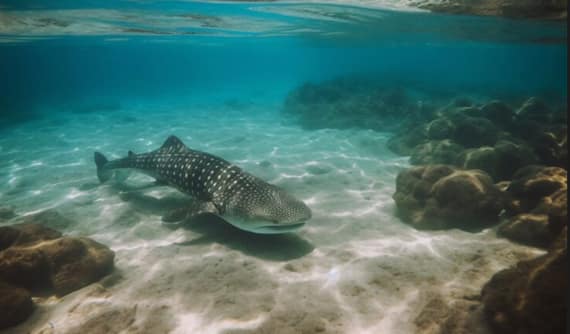
The aggregation: Between November and March, 20–40 whale sharks congregate in Chole Bay, attracted by plankton blooms. These gentle giants—the world’s largest fish (up to 12 meters/40 feet)—congregate predictably during this season.
Snorkeling experience: Swimmers and snorkelers encounter whale sharks in controlled, sustainable encounters. Boats follow strict protocols: no touching, no chasing, maintain appropriate distances. The experience involves snorkeling alongside these magnificent creatures, watching them filter-feed on plankton.
No guarantee: Whale shark presence depends on weather, water temperature, and plankton availability. December–February offer best probability (70–80%), though encounters happen throughout November–March.
Season-specific travel: Most Mafia visitors time trips specifically for whale shark season, making June–October visits far less common.
Cost: Whale shark snorkel excursions typically $100–$150 per person.
Beyond Whale Sharks
Coral reef diving: Mafia’s reefs rival Pemba in quality. Drop-off walls, coral gardens, and tropical fish species create excellent diving.
Traditional fishing: Experience traditional fishing village culture through fishing boat accompaniment, net casting observation, and market visits.
Sea turtle nesting: Green and hawksbill turtles nest on Mafia beaches. Conservation programs monitor nesting and hatchling protection.
Mangrove kayaking: Quiet paddle through mangrove forests offers unique ecosystems and bird watching.
Accommodation & Costs
Eco-lodges ($100–$300/night): Simple but comfortable accommodations emphasizing sustainability and local employment.
Limited luxury options: Fewer upscale properties than Zanzibar or Pemba. Mafia emphasizes authenticity and marine focus over comfort luxury.
Rustic experience: Accommodation generally simpler than Zanzibar, reflecting Mafia’s less-developed infrastructure. This appeals to adventure-focused travelers.
Best For Whom?
- Marine enthusiasts: Whale sharks, diving, sea creatures
- Whale watchers: Bucket-list whale shark swimming
- Adventure travelers: Less developed, more authentic
- Divers: Excellent reefs, fewer crowds than Pemba
- November–March travelers: Whale shark season focus
We review the top places to stay across the region in the Best Tanzania Lodges & Zanzibar Hotels: Luxury to Budget Guide 2025-2026.
Zanzibar Island Comparison Table: Find Your Perfect Match
| Island | Distance from Zanzibar | Vibe | Best For | Accommodation | Peak Season |
| Zanzibar (Unguja) | — | Bustling hub, cultural | Culture, activity, families | $30–$1,500/night | June–Oct |
| Pemba | 30 min flight | Quiet, authentic, forested | Divers, nature lovers | $50–$1,200/night | June–Oct |
| Mnemba | 15 min boat | Ultra-luxury, exclusive | Honeymoons, romance | $15,000+/night | Year-round |
| Mafia | 1 hr flight or ferry | Adventure, marine-focused | Whale sharks, divers | $100–$300/night | Nov–March |
Zanzibar Island Hopping: Combining Multiple Islands
Day-Trip Options
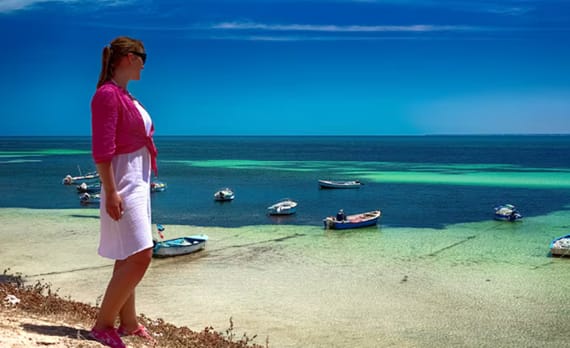
From Zanzibar Island to Pemba: 30-minute flights available daily. Day trips feasible but rush-focused. Overnight recommended.
From Zanzibar to Mnemba: 15-minute private boat. Day visits possible; overnight stays better for experience.
From Zanzibar to Mafia: 1-hour flight makes day trips challenging. Most visits are 3+ days.
Multi-Island Itineraries
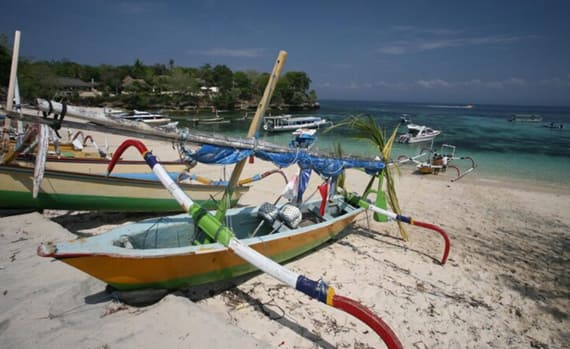
The comprehensive island experience: 3–4 nights Zanzibar Island (Stone Town, beaches, spices, forest) + 2–3 nights Pemba (diving, quieter experience) + 2 nights Mnemba (luxury finale).
Timing: This structure requires 7–9 beach days, typically extending beyond 14-day total trip. Most travelers combine this with reduced safari time.
Logistics: Inter-island flights add cost ($80–$120 per flight) and time (1.5 hours total including airport procedures).
Most Practical Approach
For 10-day combined trips, most travelers remain on Zanzibar Island (main hub) for beach days, optionally adding a day trip to Pemba or Jozani Forest. This balances exploration with logistical simplicity.

Cultural Experiences Across Zanzibar Islands
Swahili Language & Customs
All islands share Swahili culture and language. Basic greetings like “Jambo” (hello) and “Asante” (thank you) enhance interactions and show respect for local culture.
Clove Farming Heritage
Understanding clove production connects you to Zanzibar’s historical significance. Spice tours on both Zanzibar and Pemba reveal agricultural importance and cultural heritage.
Dhow Sailing Traditions
Traditional wooden sailing vessels called dhows represent centuries of Indian Ocean maritime culture of Zanzibar Island. Sunset dhow cruises combine traditional navigation with romance.
Local Cuisine & Spice-Infused Cooking
Swahili cuisine emphasizes fresh seafood, coconut, and locally-grown spices. Restaurant meals feature dishes impossible to replicate at home—fresh catch prepared with island spices.
Market Visits & Artisan Encounters
Fish markets, spice markets, and craft shops connect you to daily Swahili life. Haggling is expected and enjoyable; respect and humor go far.
Avoid the rainy season disappointments by reading Tanzania Activity Planning by Season: When to Snorkel, Dive, Safari, and Explore.
FAQ
1. Which Zanzibar island is best for families with kids?
Zanzibar Island offers family-friendliest environment: calm beaches (Nungwi), diverse activities (cultural tours, snorkeling, markets), good accommodation range, and reliable services. Jozani Forest appeals to kids through monkey-spotting adventures. Mnemba works for families seeking luxury, though cost may deter some. Pemba and Mafia are more adult-focused.
2. Can I visit multiple Zanzibar islands in one trip?
Yes. Zanzibar Island–Pemba combinations (flights daily, $80–$120) work well for 2–3-day extensions. Mnemba day visits from Zanzibar are feasible but overnight stays provide better experience. Mafia visits typically require 3+ days due to flight logistics. Multi-island trips require 7–9+ beach days, typically reducing safari time on 14-day combined trips.
3. Is Pemba worth the extra travel time?
For divers and nature lovers seeking authenticity: absolutely. For beach-relaxation-only travelers: less essential. Pemba’s value increases if you prioritize diving, want fewer tourists, or seek genuine Swahili experiences without tourism infrastructure. Consider: Do you want activity (Pemba) or pure relaxation (Mnemba)?
4. What’s included in Mnemba Island pricing?
All meals (gourmet), premium beverages (alcohol included), snorkeling, kayaking, turtle conservation activities, boat transfers, and personal butler service. Everything except tips and spa treatments. No hidden costs; the per-night rate covers entire experience.
5. Are whale sharks guaranteed at Mafia Island?
No guarantees in nature. December–February offer 70–80% encounter probability given good weather. Weather, water temperature, and plankton affect aggregation. Encounters also depend on luck (some days no whales despite conditions). Consider whale shark visits as “likely” rather than “guaranteed,” while remaining open to alternative diving and cultural experiences if not present.
Ready to Choose Your Perfect Zanzibar Island?
Each island offers distinct experiences. Your choice depends on available time, budget, interests, and travel style. Most travelers benefit from professional guidance optimizing their island selection.
Zamani Voyage helps you select the perfect island(s), arrange quality accommodations, and handle all logistics.
👉 Book a consultation call — We’ll recommend specific islands, discuss seasonal timing, and create your perfect island itinerary.
Trust Zamani Voyage: Expert island selection for your perfect beach finale.


