

When planning a trip to Zanzibar Tanzania, understanding the weather isn’t just helpful—it’s transformational. The difference between showing up during the long rains and arriving mid-dry season can mean the gap between spending afternoons watching storms from your balcony or snorkeling in 30-meter visibility alongside sea turtles. This guide breaks down Zanzibar Tanzania’s weather month by month, so you can match your travel dates to your perfect conditions.
Quick takeaway: Zanzibar Tanzania experiences two dry seasons (June–October and December–February) and two rainy seasons (March–May and November), with temperatures remaining consistently tropical year-round at 25–32°C. The long dry season (June–October) offers the most reliable weather, while December–February brings warmer temperatures and festive energy.
Quick Seasonal Overview for Zanzibar Tanzania
| Month | Avg Temp (Day) | Rainfall | Sea Temp | Best For | Tourism Level |
| January | 32°C | 86mm | 28°C | Beach, water sports, New Year | HIGH |
| February | 32°C | 54mm | 28°C | Kitesurfing, Sauti za Busara Festival | HIGH |
| March | 31°C | 155mm | 28°C | Budget travel, lush photography | LOW |
| April | 30°C | 385mm | 27°C | Budget travel, cultural immersion | LOW |
| May | 29°C | 239mm | 26°C | Green season deals, quiet beaches | LOW |
| June | 28°C | 71mm | 25°C | Diving, safari combo, festivals | MEDIUM-HIGH |
| July | 27°C | 50mm | 25°C | ZIFF, diving, safari combo | HIGH |
| August | 27°C | 52mm | 25°C | Diving, Great Migration combo | HIGH |
| September | 28°C | 59mm | 25°C | Diving, fewer crowds, good weather | MEDIUM-HIGH |
| October | 29°C | 104mm | 26°C | Shoulder season, good value | MEDIUM |
| November | 30°C | 216mm | 27°C | Short rains, budget deals | LOW-MEDIUM |
| December | 31°C | 157mm | 28°C | Festive, warm, family holidays | HIGH |
Data compiled from Weather2Travel, Climates to Travel, Expert Africa
Understanding Zanzibar Tanzania’s Climate Patterns
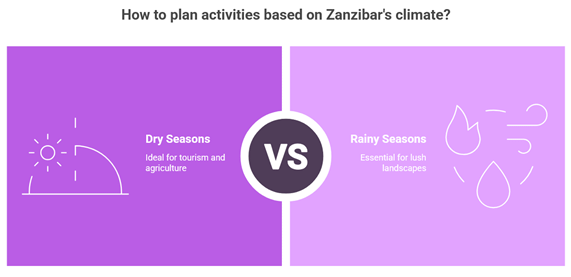
Two Dry Seasons, Two Rainy Seasons
Zanzibar Tanzania’s weather follows a predictable tropical pattern shaped by Indian Ocean monsoon winds. Unlike the Swiss Alps’ four distinct seasons with dramatic temperature swings, Zanzibar Tanzania experiences two dry seasons and two wet seasons, with temperatures remaining consistently warm throughout the year.
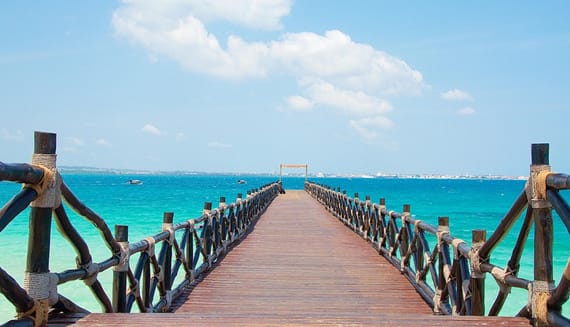
Long dry season (June–October): The Kusi winds blow from the south, bringing cooler, drier air. This is peak tourism season for good reason—rainfall averages just 50–100mm monthly, daytime temperatures hover at a comfortable 25–30°C, and ocean visibility reaches 20–30 meters for diving.
Short dry season (December–February): The Kaskazi winds from the northeast bring warmer, calmer conditions. Temperatures climb to 28–32°C, rainfall remains low (54–157mm monthly), and seas flatten out—ideal for kitesurfing and water sports.
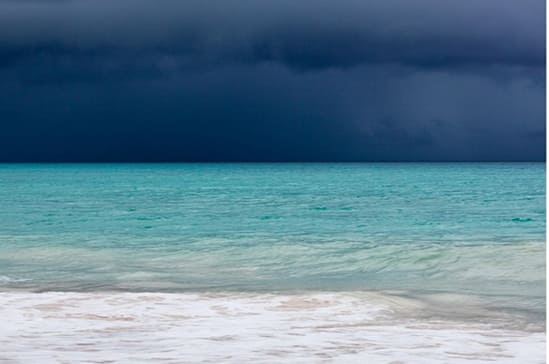
Long rains (March–May): The Masika rains arrive with intensity. April is the wettest month, averaging 385mm of rainfall, with daily afternoon thunderstorms common. Humidity spikes, some lodges close for maintenance, and marine visibility drops. But here’s the upside: prices plummet 40–50%, crowds vanish, and the island transforms into a lush, green paradise.
Short rains (November): The Vuli rains are brief and sporadic, typically arriving in morning or afternoon bursts that clear within an hour or two. Rainfall averages 216mm, temperatures stay warm at 28–30°C, and beach time remains enjoyable between showers.
How Monsoon Winds Shape Weather
Understanding the Kusi (June–September) and Kaskazi (November–March) monsoons helps you predict not just rainfall, but sea conditions, marine visibility, and even which activities will be optimal.
The Kusi winds from the south bring drier air and stronger breezes, creating excellent conditions for sailing and diving but also rougher seas on the east coast. Kitesurfers flock to Paje and Jambiani during this window for consistent, strong winds.
The Kaskazi winds from the northeast are gentler, flattening the ocean and making December–February ideal for swimming, snorkeling, and beginner water sports.
Comparison: Zanzibar Tanzania vs. Swiss Seasons
For Swiss travelers, Zanzibar’s climate offers a stark, welcome contrast:
- January: While Zurich shivers at -2°C with grey skies, Zanzibar basks in 32°C sunshine. The temperature difference is a staggering 34 degrees.
- June–August: Zanzibar’s “winter” (25–30°C, dry, breezy) feels like a perfect Swiss summer day—except it lasts all month, every day.
- December: Swiss holiday travelers escape Zurich’s 2°C chill for Zanzibar’s 31°C warmth—the kind of escape that resets your relationship with winter.
The key difference: Zanzibar doesn’t have “seasons” in the Swiss sense. There’s no autumn foliage, no spring blooms, no snow. Just variations in rainfall, wind patterns, and ocean conditions. Temperatures remain tropical year-round, fluctuating only 5–7°C between “cooler” (June–August) and “hot” (December–February) months.
Zanzibar Tanzania Month-by-Month Weather Breakdown
January: Hot & Dry (Summer Starts)
Temperature: 32°C day / 23°C night
Rainfall: 86mm (moderate, occasional brief showers)
Sea Temperature: 28°C
Humidity: High (75–85%)
Tourism Level: HIGH
January marks the heart of Zanzibar’s short dry season, delivering hot, sunny days perfect for beach lounging and water activities. The Kaskazi winds keep seas calm, making this an ideal month for swimming, snorkeling, and beginner diving.
Best for: Sunbathing, snorkeling, New Year beach celebrations, sea turtle nesting season begins (January–March), festive atmosphere after holidays.
Activity highlight: This is prime time for sea turtle conservation tours. Green and hawksbill turtles nest on Zanzibar’s beaches from January through March, offering unique wildlife encounters.
Swiss traveler perspective: Escape Zurich’s -2°C winter with a 34-degree temperature boost. Direct SWISS flights operate regularly, with round-trip fares around CHF 1,000–1,200.
What to pack: Lightweight, breathable clothing, high SPF reef-safe sunscreen, hat, swimwear, light rain jacket for occasional showers. See our complete Packing List Tanzania Zanzibar: Complete Guide 2026.
February: Hottest Month (Pre-Rains, Festivals)
Temperature: 32°C day / 22°C night
Rainfall: 54mm (driest of hot months)
Sea Temperature: 28°C
Humidity: High (75–80%)
Tourism Level: HIGH
February is Zanzibar’s hottest and driest month, making it ideal for heat lovers and water sports enthusiasts. The ocean remains calm and bathwater-warm (28°C), perfect for swimming, snorkeling, and especially kitesurfing at Paje and Jambiani.
Best for: Kitesurfing, water sports, attending the Sauti za Busara Festival (East Africa’s premier music festival in Stone Town), diving with excellent visibility (15–25m), romantic getaways.
Activity highlight: The Sauti za Busara music festival transforms Stone Town into a vibrant celebration of African and Swahili culture, with live performances, workshops, and parades (Future African Safari). Additionally, January through March marks sea turtle nesting season, offering unique conservation tour opportunities.
Safari combo: February aligns with Tanzania’s calving season in the southern Serengeti, when hundreds of thousands of baby wildebeest are born daily, attracting predators for dramatic wildlife viewing.
What to pack: Ultra-lightweight clothing, kitesurfing gear (if planning to kite), snorkeling equipment, high SPF sunscreen, wide-brimmed hat.
March: Transition to Long Rains
Temperature: 31°C day / 23°C night
Rainfall: 155mm (moderate, rain increasing)
Sea Temperature: 28°C
Humidity: High (80–85%)
Tourism Level: LOW
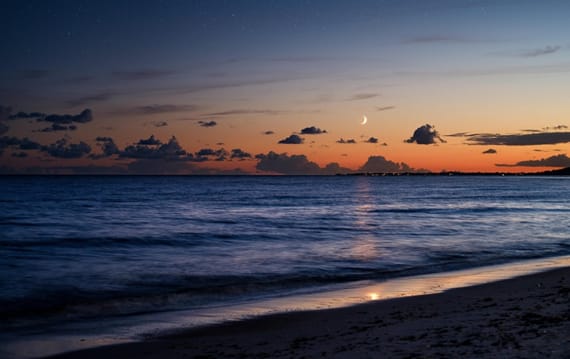
March marks the beginning of Zanzibar’s long rainy season. While not as intense as April, rainfall increases noticeably, with afternoon showers becoming more common. However, mornings often remain sunny, and temperatures stay warm at 31°C.
Best for: Budget travel (prices start dropping 20–30%), photography (lush, green landscapes), cultural immersion (fewer tourists means more authentic interactions), quiet beach time between showers.
Activity highlight: This is when Zanzibar transforms from dry beige to vibrant green. Photographers capture dramatic storm clouds, lush vegetation, and empty beaches with no tourist crowds. Spice tours are particularly aromatic after rains, with clove, cinnamon, and vanilla plants thriving (Encounters Travel).
Who should visit: Budget-conscious travelers willing to trade guaranteed sunshine for cost savings and authenticity. March offers the best “early green season” balance—not as wet as April, but already discounted. Full yearly breakdowns are at Zanzibar Best Time to Visit: Complete 2026 Guide.
What to pack: Rain jacket (packable), quick-dry clothing, waterproof bag for electronics, umbrella, reef shoes for muddy areas.
April: Peak Rainy Season
Temperature: 30°C day / 23°C night
Rainfall: 385mm (wettest month)
Sea Temperature: 27°C
Humidity: Very High (85–90%)
Tourism Level: LOW
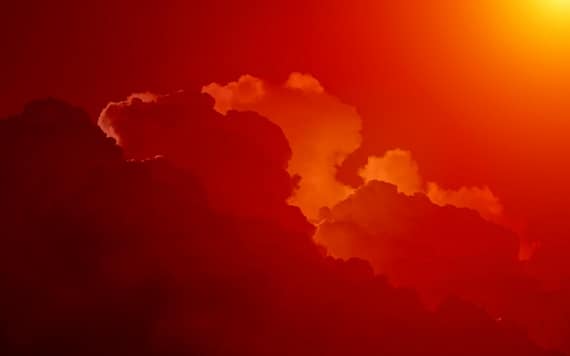
April is Zanzibar’s wettest month, averaging 385mm of rainfall with daily afternoon thunderstorms that can last 2–4 hours. Humidity soars, some beach lodges close for annual maintenance, and marine visibility drops due to plankton blooms and rough seas .
Best for: Extreme budget travel (40–50% discounts on accommodation), cultural photography, authentic local experiences, Jozani Forest walks (lush, vibrant), avoiding all tourist crowds.
Reality check: Yes, it rains—a lot. But rain typically arrives in predictable afternoon bursts, leaving mornings clear for activities. You’ll have beaches, Stone Town, and cultural sites almost entirely to yourself. Resorts that remain open offer deep discounts, and local restaurants, spice tours, and cultural experiences become more affordable and intimate.
Activity highlight: Jozani Forest reaches peak lushness in April, making it ideal for spotting red colobus monkeys amid vibrant greenery. The forest floor comes alive with insects, birds, and smaller wildlife.
Who should visit: Budget travelers, photographers seeking dramatic landscapes, culture enthusiasts, and anyone who values solitude over guaranteed beach weather.
What to pack: Waterproof rain jacket, quick-dry pants and shirts, waterproof phone case, umbrella, sandals that dry fast, mosquito repellent (DEET-based).
May: Tail End of Long Rains
Temperature: 29°C day / 22°C night
Rainfall: 239mm (decreasing from April)
Sea Temperature: 26°C
Humidity: High (80–85%)
Tourism Level: LOW
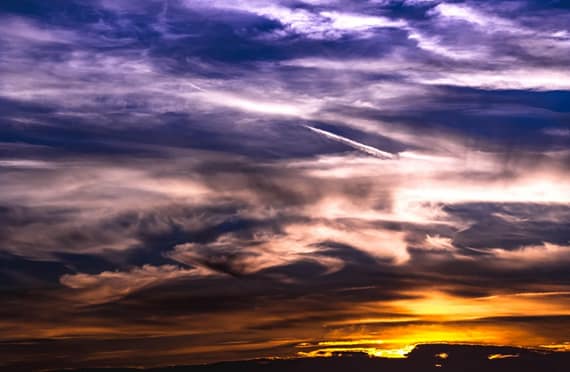
May marks the tail end of the long rains, with rainfall still substantial (239mm) but noticeably lighter than April. Temperatures cool slightly to 29°C, humidity remains high, and the island continues its green, lush appearance.
Best for: Late green season deals (30–40% discounts), cultural experiences, quiet beaches, transitioning toward dry season preparations, Stone Town exploration.
Activity highlight: Late May sees lodges and resorts starting to reopen and prepare for the upcoming dry season. It’s an excellent time for cultural immersion—spice tours, cooking classes, Swahili language exchanges—without tourist crowds.
Who should visit: Budget travelers looking for the last of the green season deals before prices rise in June, culture seekers, and travelers who don’t mind occasional rain but want fewer crowds than peak months.
What to pack: Rain jacket, quick-dry clothing, waterproof bag, reef shoes, light layers for cooler evenings (22°C).
June: Dry Season Begins
Temperature: 28°C day / 21°C night
Rainfall: 71mm (significantly lower)
Sea Temperature: 25°C
Humidity: Moderate (70–75%)
Tourism Level: MEDIUM to HIGH
June marks the official start of Zanzibar’s long dry season and the beginning of peak tourism. Rainfall drops dramatically to just 71mm, temperatures cool to a comfortable 28°C, and the Kusi winds bring dry air and excellent diving conditions.
Best for: Diving and snorkeling (visibility 20–30m), spice tours, Stone Town walking tours, dhow sailing, combining with Great Migration safari (northern Serengeti movement begins), attending early cultural festivals.
Activity highlight: June is when marine visibility peaks, making it one of the best months for diving at Mnemba Atoll, Chumbe Island, and other top sites. Expect encounters with sea turtles, dolphins, reef fish, and occasionally manta rays.
Safari combo: June aligns with the Great Migration moving into the northern Serengeti, setting up for the dramatic Mara River crossings in July–September. This is an ideal month to combine safari and beach. For full itinerary details, see Tanzania with Zanzibar: 14-Day Itinerary Guide 2026.
Swiss traveler note: Book flights and accommodations at least 3–4 months in advance. June marks the start of European summer holidays, increasing demand. SWISS operates regular flights from Zurich (CHF 876–1,200 round-trip).
What to pack: Lightweight breathable fabrics, light fleece for cooler evenings (21°C), snorkeling gear, reef-safe sunscreen, modest clothing for Stone Town.
July: Peak Dry Season & Festivals
Temperature: 27°C day / 20°C night
Rainfall: 50mm (driest month)
Sea Temperature: 25°C
Humidity: Low to Moderate (65–70%)
Tourism Level: HIGH
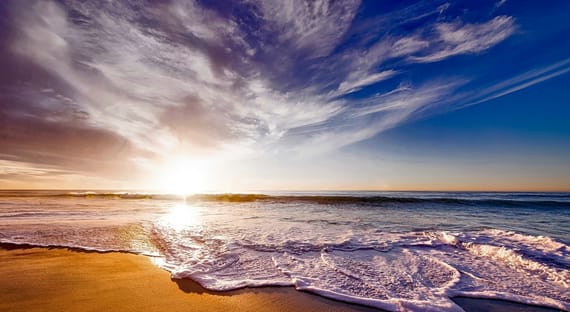
July is Zanzibar’s driest and one of its coolest months, making it ideal for travelers who prefer comfortable temperatures over intense heat. With just 50mm of rainfall, you’ll see mostly blue skies, and nighttime temperatures can dip to a pleasant 20°C—perfect for sleeping without air conditioning.
Best for: Diving and snorkeling (optimal visibility), attending the Zanzibar International Film Festival (ZIFF), Mwaka Kogwa Festival (traditional Shirazi New Year in Makunduchi), spice tours during clove harvests, Great Migration river crossings safari combo.
Activity highlight: The Zanzibar International Film Festival (ZIFF) transforms Stone Town into a cultural hub with screenings, workshops, and performances celebrating African cinema and arts.
Safari combo: July is peak time for Mara River crossings in the northern Serengeti, where thousands of wildebeest brave crocodile-infested waters—one of nature’s most dramatic spectacles.
Crowd management: July is peak tourism season. Book accommodations and activities 4–6 months in advance, especially during ZIFF and European school holidays.
What to pack: Lightweight layers, light fleece for evenings, snorkeling gear, sunscreen, comfortable walking shoes for Stone Town festivals.
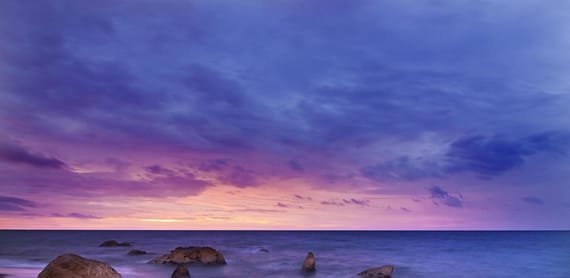
August: Peak Everything
Temperature: 27°C day / 20°C night
Rainfall: 52mm (very low)
Sea Temperature: 25°C
Humidity: Low to Moderate (65–70%)
Tourism Level: HIGH (peak)
August is Zanzibar’s most popular month—and for good reason. It offers the perfect combination of dry weather (just 52mm rainfall), comfortable temperatures (27°C), excellent diving visibility (20–30m), and alignment with the Great Migration’s most dramatic phase.
Best for: Diving and snorkeling (peak visibility), Great Migration river crossings safari combo, kitesurfing at Paje, whale watching (humpback whales migrate July–October), dhow sailing, all beach activities, attending local cultural events.
Activity highlight: August captures the Mara River crossings at their peak, with 50,000+ wildebeest attempting the perilous crossing amid crocodile attacks and predator action. Additionally, humpback whales migrate past Zanzibar from July through October, offering unique whale-watching opportunities.
Swiss traveler note: August is peak European holiday season. Flights and accommodations fill up fast—book at least 4–6 months ahead. Expect premium pricing for both safari lodges and beach resorts.
What to pack: Lightweight breathable clothing, light fleece for evenings, snorkeling/diving gear, binoculars for whale watching, sunscreen, hat.
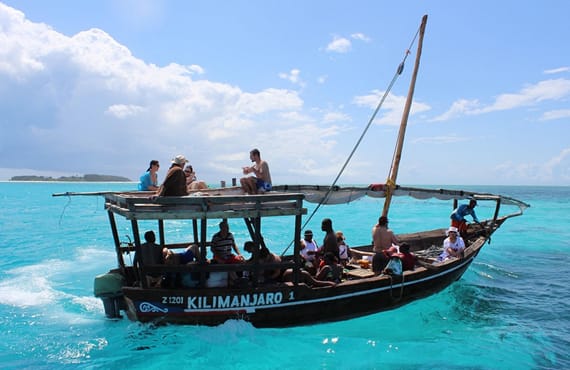
September: Sweet Spot (Fewer Crowds, Great Weather)
Temperature: 28°C day / 21°C night
Rainfall: 59mm (very low)
Sea Temperature: 25°C
Humidity: Moderate (70–75%)
Tourism Level: MEDIUM to HIGH
September is the savvy traveler’s secret—it offers nearly identical weather to July and August (dry, comfortable, excellent visibility) but with slightly fewer crowds as European school holidays end. Temperatures warm slightly to 28°C, rainfall remains minimal at 59mm, and the ocean stays perfect for diving and snorkeling.
Best for: Diving and snorkeling (continued excellent visibility), Great Migration river crossings (still happening through mid-September), dolphin tours at Kizimkazi, whale watching, kitesurfing, post-peak-season deals on accommodations.
Activity highlight: September offers the tail end of the Mara River crossings, with less tourist congestion than August but still dramatic wildlife action.
Who should visit: Travelers seeking optimal weather without peak-season crowds and premium prices. September offers the best value-to-weather ratio in the dry season.
What to pack: Lightweight clothing, light fleece for cooler evenings, snorkeling gear, sunscreen, comfortable walking shoes.
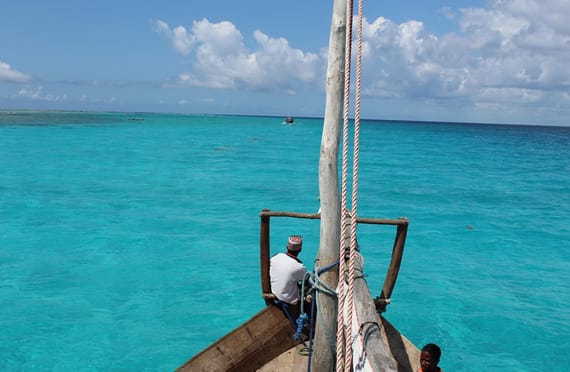
October: Shoulder Season Transition
Temperature: 29°C day / 22°C night
Rainfall: 104mm (increasing toward short rains)
Sea Temperature: 26°C
Humidity: Moderate to High (75–80%)
Tourism Level: MEDIUM
October marks the transition from the long dry season toward the short rains. Rainfall increases to 104mm, mostly arriving in brief afternoon showers, but mornings remain sunny and pleasant. Temperatures warm to 29°C, and tourism crowds thin out, offering a more relaxed atmosphere.
Best for: Shoulder-season deals (10–20% discounts), diving and snorkeling (still good visibility), combining with the tail end of Great Migration, whale shark season begins (October–February, especially near Mafia Island), quieter beaches.
Activity highlight: October marks the start of whale shark season, particularly around Mafia Island (1-hour flight south of Zanzibar). These gentle giants gather to feed on plankton, offering unforgettable encounters for divers and snorkelers.
Who should visit: Travelers seeking balance between good weather and lower prices, divers wanting excellent conditions without peak crowds, and those planning safari combos at the end of the Great Migration season.
What to pack: Lightweight clothing, light rain jacket for occasional showers, snorkeling gear, sunscreen, quick-dry fabrics.
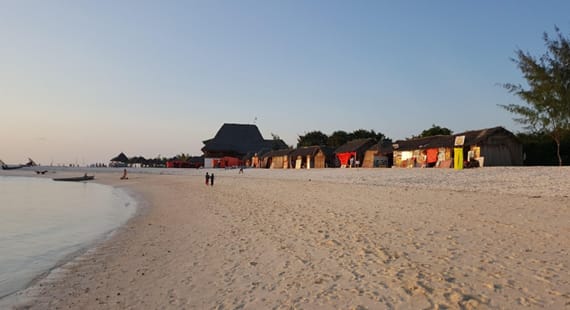
November: Short Rains Begin
Temperature: 30°C day / 23°C night
Rainfall: 216mm (short rains, sporadic)
Sea Temperature: 27°C
Humidity: High (80–85%)
Tourism Level: LOW to MEDIUM
November sits in the “short rains” window, with rainfall averaging 216mm, typically arriving in brief morning or afternoon bursts rather than all-day downpours. Temperatures warm to 30°C, humidity increases, and the island transitions toward its greener, lusher appearance.
Best for: Budget travel (20–30% discounts), shoulder-season sweet spot, cultural events (Eid celebrations if Ramadan timing aligns), whale shark encounters (October–February season continues), quieter beaches with decent weather between showers.
Activity highlight: November offers a budget-friendly window without the intense rainfall of March–May. You’ll still enjoy plenty of sunny beach time between showers, with the added benefit of lower prices and fewer tourists.
Who should visit: Travelers seeking value without sacrificing too much weather reliability, those flexible with occasional rain interruptions, and budget-conscious adventurers.
What to pack: Rain jacket (packable), quick-dry clothing, waterproof bag, reef shoes, sunscreen.
December: Festive Season Returns
Temperature: 31°C day / 23°C night
Rainfall: 157mm (brief showers)
Sea Temperature: 28°C
Humidity: High (80–85%)
Tourism Level: HIGH
December marks the return of the short dry season and the festive holiday atmosphere. Rainfall averages 157mm, typically arriving in brief afternoon showers that clear quickly, leaving sunny mornings and evenings. Temperatures warm to 31°C, the ocean reaches a bathwater-warm 28°C, and the Kaskazi winds create calm seas perfect for swimming and snorkeling (All in Africa Safaris).
Best for: Christmas and New Year beach celebrations, warm family holidays, kitesurfing, snorkeling and diving (visibility 15–25m), combining with Tanzania calving season safari (late December onward), manta ray season (December–April), festive vibes.
Activity highlight: December is peak time for manta ray encounters, especially at dive sites around Mnemba Atoll and Chumbe Island. Additionally, late December marks the beginning of the Great Migration calving season in southern Serengeti, making it ideal for combining safari and beach.
Swiss traveler note: December is peak Swiss holiday travel season. Book flights and accommodations 6–8 months in advance. Expect premium pricing and limited availability for Christmas and New Year’s weeks.
What to pack: Lightweight clothing, swimwear, light rain jacket, festive attire (if celebrating holidays), snorkeling gear, sunscreen.
Zanzibar Tanzania’s Two Rainy Seasons Explained
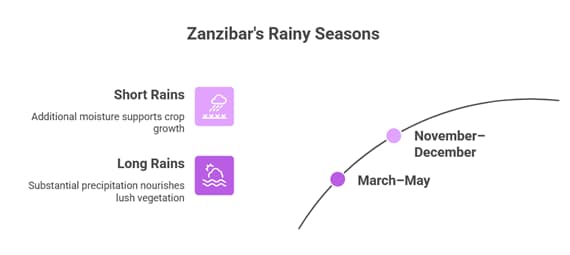
Long Rains (Masika): March–May
The Masika (long rains) are Zanzibar’s most intense rainy season, peaking in April with up to 385mm of rainfall. These aren’t gentle drizzles—expect heavy afternoon thunderstorms lasting 2–4 hours, high humidity (85–90%), and reduced marine visibility due to plankton blooms and rough seas.
What to expect: Mornings often start sunny, allowing for early beach time, cultural tours, or spice farm visits. By afternoon (typically 2–5 PM), clouds roll in, thunder cracks, and rain pours. By evening, skies clear, leaving fresh air and dramatic sunsets. Get expert advice for each season with Best Time to Visit Zanzibar: The Ultimate 2025–2026 Seasonal Guide for Swiss Travelers.
The upside: Accommodation costs plummet by 40–50%, beaches empty out, and the island transforms into a lush, vibrant paradise. Photographers love the dramatic cloud formations and verdant landscapes. Cultural experiences become more intimate without tourist crowds.
Who should go: Budget travelers, photographers, culture seekers, and anyone who values authentic experiences over guaranteed sunshine.
Short Rains (Vuli): November–December
The Vuli (short rains) are far more manageable than the Masika. November sees about 216mm of rainfall, while December averages 157mm—typically arriving in brief morning or afternoon bursts that last 30 minutes to an hour. The rest of the day remains sunny and pleasant, with temperatures around 30–31°C.
What to expect: Sporadic, predictable showers that clear quickly. You can often plan around them—morning beach time, afternoon tour during potential rain, evening dinner as skies clear. Unlike the Masika, beaches remain open, lodges stay operational, and activities continue mostly uninterrupted.
The upside: November offers 20–30% cost savings with minimal weather disruption. December transitions back to dry, festive conditions, making it ideal for holiday travelers.
Who should go: Travelers seeking balance between budget savings and reliable weather, shoulder-season seekers, and those who don’t mind occasional rain interruptions.
Comparing Zanzibar Tanzania’s Seasons to Swiss Weather
When Zanzibar Feels Most Like Home
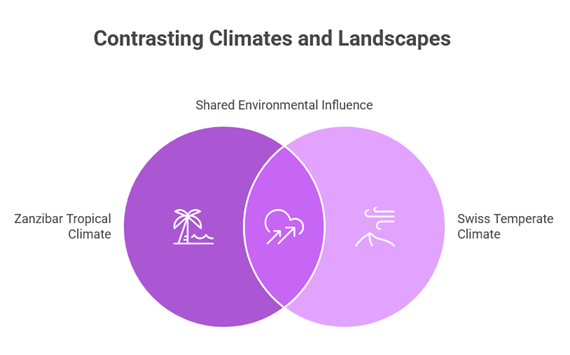
Zanzibar’s “winter” (June–August) feels remarkably similar to a perfect Swiss summer day: 25–30°C, low humidity, sunny skies, breezy conditions. The key difference? It lasts all day, every day, for three months straight—no sudden cold fronts, no grey afternoons, no rain jackets needed.
Zanzibar’s “summer” (December–February) offers heat Swiss travelers rarely experience at home: 28–32°C, high humidity, and ocean temperatures that feel like a warm bath (28–29°C). It’s the kind of tropical warmth that makes you question why anyone tolerates Swiss winters.
The Swiss Escape Advantage
January: Zurich -2°C vs. Zanzibar 32°C = 34-degree difference.
July: Zurich 24°C vs. Zanzibar 27°C = Similar temperature, but Zanzibar adds ocean breezes, turquoise waters, and zero rain.
December: Zurich 2°C vs. Zanzibar 31°C = 29-degree swing, perfect for Swiss holiday escapes.
For Swiss travelers, Zanzibar offers year-round warmth impossible at home. Even Zanzibar’s “coolest” months (June–August at 25–30°C) feel like perfect summer days, while its “hot” months (December–February at 28–32°C) provide the kind of heat Swiss travelers crave during winter escapes.
Sea Temperature & Water Conditions Throughout the Year in Zanzibar Tanzania
Always Warm Enough to Swim
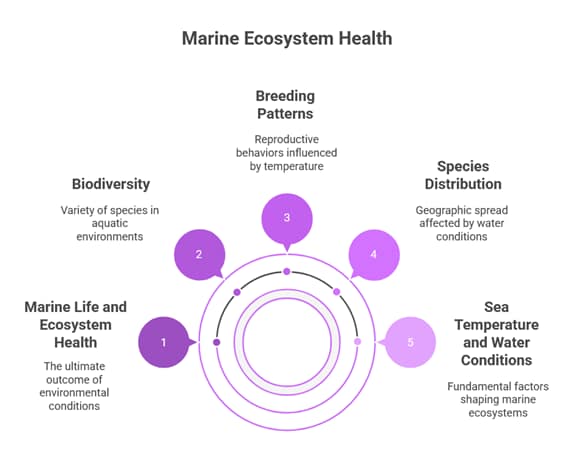
Zanzibar’s sea temperature ranges from 25°C to 29°C year-round, meaning you’ll never need a wetsuit for casual swimming or snorkeling. Even the “coolest” months (June–August at 25°C) feel refreshing rather than cold, while the warmest months (January–March at 28–29°C) feel like a warm bath. For detailed beach comparisons, see our Zanzibar Tanzania Beach Guide: Which to Visit & When (2026)—featuring seasonal highlights and top spots.
Best Visibility for Diving: June–October, December–February
June through October offers the best diving and snorkeling visibility, reaching 20–30 meters at sites like Mnemba Atoll, Chumbe Island, and Tumbatu Island. The Kusi winds bring dry, calm conditions, reducing sediment and plankton in the water. Marine life thrives—expect encounters with sea turtles, dolphins, reef fish, octopuses, and occasionally manta rays or whale sharks.
December through February maintains good visibility (15–25m), with calmer Kaskazi winds creating flat seas ideal for beginner divers and snorkelers. This period also coincides with manta ray season (December–April) and whale shark season (October–February), especially near Mafia Island.
Rough Waters: April–May (Avoid Diving)
The long rains (March–May) bring rougher seas, reduced visibility (5–15m), and plankton blooms that cloud the water. While swimming remains safe, diving and snorkeling experiences are significantly diminished. Many dive operators reduce schedules or close during April, the wettest month.
Note for divers: If you’re visiting during rainy season, focus on cultural activities, spice tours, and Stone Town exploration rather than expecting world-class diving conditions.
Wind Patterns & Their Impact on Activities
Kaskazi (Northern Winds): November–March
The Kaskazi winds blow from the northeast, bringing calmer seas, warmer temperatures, and humid air. This period is ideal for:
- Swimming and snorkeling: Flat seas, minimal waves, beginner-friendly conditions
- Kitesurfing: Moderate winds (December–February) perfect for learning and freestyle
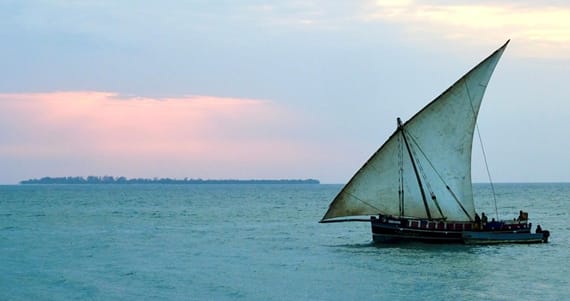
- Dhow sailing: Calm conditions for sunset cruises
- Family activities: Safer ocean conditions for children
Kusi (Southern Winds): June–September
The Kusi winds blow from the south, bringing cooler, drier air and stronger breezes. This period is ideal for:
- Kitesurfing: Strong, consistent winds (15–25 knots) at Paje and Jambiani
- Diving: Excellent visibility (20–30m), calm conditions at northern sites
- Sailing: Stronger winds for experienced sailors
- Photography: Dramatic clouds, wave action, dynamic landscapes
East coast note: The Kusi winds create rougher conditions on the east coast (Paje, Jambiani), perfect for kitesurfing but less ideal for swimming. The north coast (Nungwi, Kendwa) remains calm year-round due to geographic protection. Explore your adventure options in Top Activities in Tanzania Zanzibar for Every Season (Updated 2025-2026).
Health Considerations: Temperature, Humidity, UV in Zanzibar Tanzania
Tropical Heat: How to Stay Safe
Zanzibar Tanzania’s tropical heat (25–32°C year-round) requires hydration, sun protection, and awareness of heat exhaustion signs. Drink at least 3–4 liters of water daily, especially during hot months (December–February), and avoid strenuous activities during peak sun (11 AM–3 PM).
Humidity Impact: Best Months for Comfort
Humidity ranges from 65% (dry season) to 90% (rainy season), significantly affecting comfort levels. June through August offers the lowest humidity (65–70%), making it ideal for travelers sensitive to muggy conditions. April and May see the highest humidity (85–90%), which can feel oppressive even at lower temperatures.
Swiss travelers: If you’re accustomed to the crisp, dry air of the Alps, expect an adjustment period. Lightweight, breathable fabrics (linen, moisture-wicking synthetics) are essential.
UV Intensity Year-Round
Zanzibar Tanzania sits near the equator, meaning UV intensity remains high year-round regardless of cloud cover. SPF 50+ reef-safe sunscreen, wide-brimmed hats, sunglasses, and UV-protective clothing are non-negotiable. Reapply sunscreen every 2 hours, especially after swimming.
Mosquito protection: Malaria is present in Zanzibar Tanzania, though cases are decreasing. Use DEET-based mosquito repellent, sleep under mosquito nets (most accommodations provide them), and consider antimalarial prophylaxis. Consult your doctor before travel.
5-Question FAQ
1. What’s the driest month in Zanzibar Tanzania?
July is the driest month, averaging just 50mm of rainfall with mostly sunny skies and comfortable temperatures around 27°C. August follows closely with 52mm, making both months ideal for travelers seeking guaranteed dry conditions.
2. Does it really rain all day in April?
No—though April is the wettest month (385mm), rain typically arrives in predictable afternoon thunderstorms lasting 2–4 hours, leaving mornings and evenings clear. You’ll still have time for activities, especially cultural tours, spice farms, and Stone Town exploration.
3. Is the sea ever too cold for swimming?
Never. Zanzibar Tanzania’s sea temperature ranges from 25°C to 29°C year-round—always warm enough for comfortable swimming without wetsuits. Even the “coolest” months (June–August at 25°C) feel refreshing rather than cold.
4. What’s the humidity like during different seasons?
Dry season (June–October): Moderate humidity (65–75%), comfortable and less oppressive. Hot season (December–February): High humidity (75–85%), warm but manageable near the ocean. Rainy season (March–May, November): Very high humidity (80–90%), can feel muggy and sticky. June–August offers the most comfortable humidity levels for Swiss travelers accustomed to drier air.
5. How does Zanzibar Tanzania’s weather compare to Swiss winter?
Zanzibar Tanzania offers a 30–34 degree temperature swing from Swiss winter. While Zurich shivers at -2°C to 2°C during December–February, Zanzibar Tanzania basks in 28–32°C sunshine with ocean temperatures around 28°C. It’s the ultimate winter escape for Swiss travelers seeking warmth, sunshine, and ocean breezes impossible at home.
Conclusion: Understanding Zanzibar Tanzania’s Weather for Perfect Trip Planning
Zanzibar Tanzania’s weather patterns follow predictable monsoon cycles that open different windows for different experiences. Understanding these patterns allows you to match your travel dates to your preferences—whether that’s optimal diving conditions, Great Migration safari alignment, budget savings, or cultural immersion. If you want to combine your Zanzibar Tanzania beach holiday with a wildlife adventure, see our Budget Safari Tanzania: Cost & Planning Guide 2026 for practical insights.
The dry seasons (June–October and December–February) promise reliable weather and peak conditions for all activities. The rainy seasons (March–May and November) trade some weather reliability for dramatic cost savings and authentic experiences. Swiss travelers have the advantage of familiarity—Zanzibar Tanzania’s “winter” feels like a perfect Swiss summer, while its “summer” delivers the tropical escape your Alpine home can’t.
Choose your season wisely, pack accordingly, and embrace Zanzibar Tanzania’s year-round paradise. Maximize your comfort and travel light with our expert tips from the Packing List Tanzania Zanzibar: Complete Guide 2026.
About Zamani Voyage
Swiss travelers booking Zamani Voyage’s Zanzibar Tanzania safari and beach packages receive expert guidance on seasonal timing to optimize weather, wildlife viewing, and overall experience. Their 14-day packages departing Zurich (CHF 6,790–9,990) align with optimal weather windows and include Swiss tour leadership. Learn more at zamani-voyage.ch.


